Redmi Pad 2 Pro or Idea Tab Plus?
The questionWhere do these come from?
Redmi pad 2 pro (8gb) or Lenovo Ideatab plus (12gb variant)??
I have been having quite a lot of dilemma on what to buy for my studies.
Choose Redmi Pad 2 Pro 5G for performance, battery, 5G and media; choose Lenovo Idea Tab Plus for brighter reading and clearer update promises.
Choose the Redmi Pad 2 Pro 5G if the priority is fewer regrets from lag, better gaming headroom, stronger wireless, and a bigger battery. Choose the Lenovo Idea Tab Plus if the priority is a brighter anti-glare study screen, lower weight, included pen on the exact model you buy, and a clearer published Android update promise.
| Decision point | Redmi Pad 2 Pro 5G | Lenovo Idea Tab Plus |
|---|---|---|
| Processor | Snapdragon 7s Gen 4, 4nm | MediaTek Dimensity 6400 |
| Display | 12.1 in, 2560 x 1600, up to 120Hz, 500 nits typical / 600 nits HBM | 12.1 in, 2560 x 1600, 90Hz, 600 nits typical / 800 nits HBM |
| Battery and charging | 12000mAh, 33W USB-C charging | 10200mAh, 45W Quick Charge support |
| Connectivity | 5G + eSIM, Wi-Fi 6, Bluetooth 5.4 | Wi-Fi 5 and Bluetooth 5.2; WWAN models support 5G Sub-6 |
| Update promise | Ships with Xiaomi HyperOS 2; Xiaomi says security updates are typically at least 2 years | Android 15, upgrades through Android 17, 4 years of security patches |
The hard numbers above come from Xiaomi’s official Redmi Pad 2 Pro 5G specs, Lenovo’s Idea Tab Plus product page, Lenovo’s Idea Tab Plus PSREF spec, and Xiaomi’s published security update policy.
If this is mainly for studies, notes, and reading
For school notes, the Lenovo Idea Tab Plus has the more student-focused spec sheet. Lenovo lists a 12.1-inch 2.5K IPS display with 600 nits typical brightness, 800 nits high-brightness mode, and variants with a paper-like anti-glare surface. It also lists Lenovo Tab Pen support with 4096 pressure levels, tilt detection, and palm rejection. Lenovo’s retail page says the Lenovo Tab Pen is included on select models, so this must be checked by exact part number before buying.
The Redmi Pad 2 Pro 5G is still a good study tablet on paper. It has the same 12.1-inch 2560 x 1600 resolution, a 16:10 shape that suits PDFs, Reading mode, low-blue-light and flicker-free certifications, and pen touch sampling listed separately at 240Hz. The catch is that Xiaomi’s official spec page does not say a pen is included in the box. The package contents are the tablet, USB-C cable, quick start guide, and warranty card.
So the study answer is simple: if handwriting notes are the main use, Lenovo is safer only when the exact Lenovo Idea Tab Plus listing includes the Tab Pen. If the pen is not included, the Redmi becomes more attractive because its stronger processor, larger battery, and 120Hz display matter more across the full life of the tablet.
If you are also considering Xiaomi’s cheaper non-Pro tablet, the practical school-use tradeoffs are covered in whether the Redmi Pad 2 is enough for school. The Pro comparison here is different because the Redmi Pad 2 Pro 5G is a larger, higher-performance class of device.
If lag, longevity, and regret avoidance matter most
The Redmi Pad 2 Pro 5G is the better pick for avoiding performance regret. Xiaomi lists a Snapdragon 7s Gen 4 with newer Arm cores and an Adreno 810 GPU, while Lenovo lists a MediaTek Dimensity 6400 with two Cortex-A76 performance cores and six Cortex-A55 efficiency cores. Without claiming benchmark results, the Redmi’s CPU/GPU platform is the stronger-looking spec for multitasking, browser tabs, split-screen notes, and occasional games.
The Redmi also has the better wireless package: 5G + eSIM, Wi-Fi 6, and Bluetooth 5.4. Lenovo’s Idea Tab Plus has Wi-Fi 5 and Bluetooth 5.2 on the main retail listing, while the PSREF confirms that WWAN models support 5G Sub-6 and use a nano-SIM + microSD slot. That means both can exist as 5G tablets, but the Redmi Pad 2 Pro 5G is the cleaner answer if the search specifically includes “5G” and you do not want to hunt for the right regional Lenovo WWAN SKU.
The update situation cuts the other way. Lenovo publishes a specific support promise on its product page: Android 15, upgrades through Android 17, and four years of security patches until 2029. Xiaomi’s official Redmi Pad 2 Pro 5G spec page says HyperOS 2, and its broader security policy says Xiaomi, Redmi, and POCO devices typically receive security updates for at least 2 years after first shipment. That does not equal a model-specific Android-version promise in the documents read for this article.
Just want the recommendation?
Skip to the picksSo for longevity, separate two meanings. If longevity means raw performance staying usable, choose Redmi. If longevity means a written update schedule you can point to, Lenovo has the clearer official promise.
If media and occasional gaming are part of the plan
For media, the Redmi Pad 2 Pro 5G has the stronger entertainment spec: 120Hz maximum refresh rate, Dolby Vision support, four speakers, and a 12000mAh battery. Lenovo counters with the brighter panel and Dolby Atmos-tuned quad speakers, but its display is 90Hz.
For occasional gaming, Redmi is the more sensible choice. The Snapdragon 7s Gen 4 and 120Hz panel give it more room for lighter games, emulation within legal limits, and titles that scale down graphics on midrange tablets. The USB port is still USB 2.0, so neither tablet should be bought expecting fast wired file transfers or desktop-style external-display workflows.
Lenovo is not the wrong answer for media. Its 800-nit high-brightness mode is useful for reading outdoors, bright classrooms, and glare-heavy rooms. But if the question is which one is less likely to feel underpowered after two or three years, the Redmi Pad 2 Pro 5G is the stronger bet.
What to check before choosing the Lenovo 5G version
Do not assume every Lenovo Idea Tab Plus is 5G. Lenovo’s PSREF separates WLAN and WWAN configurations: WLAN models use a microSD card slot, while WWAN models use a nano-SIM + microSD slot and list 5G Sub-6 support. The U.S. retail part shown by Lenovo, ZAG70921US, lists Wi-Fi 5 and Bluetooth 5.2 but does not present itself as a cellular model.
Before buying Lenovo for mobile data, check the exact model number against Lenovo PSREF and confirm the tray is nano-SIM + microSD, not microSD-only. If a store listing says “Idea Tab Plus” but omits WWAN, 5G, nano-SIM, or cellular bands, treat it as Wi-Fi-only until proven otherwise.
The Redmi Pad 2 Pro 5G is more direct: Xiaomi’s official spec page lists 5G + eSIM and publishes the supported 5G bands. Xiaomi also warns that eSIM availability varies by region and that real 5G use depends on carrier deployment, so carrier compatibility still has to be checked.
The clean recommendation
Choose Redmi Pad 2 Pro 5G for studies plus media plus occasional gaming, especially if lag avoidance matters more than a bundled pen. Its bigger battery, stronger-looking chipset, 120Hz screen, Wi-Fi 6, Bluetooth 5.4, 5G + eSIM support, and expandable storage make it the better all-rounder.
Choose Lenovo Idea Tab Plus if the exact model includes the Lenovo Tab Pen, you care more about reading brightness than refresh rate, or you want Lenovo’s stated Android 15 to Android 17 upgrade path and four-year security patch promise. It is also the lighter tablet on paper, starting at 530g versus Redmi’s listed 600g.
The limit of this answer is support policy certainty. Lenovo publishes a specific update path for this model. Xiaomi publishes the Redmi Pad 2 Pro 5G hardware specs and a general Redmi security policy, but the official pages read here did not provide a model-specific number of Android upgrades for the Redmi Pad 2 Pro 5G. If a seller claims a longer Xiaomi update window, ask for the manufacturer’s support page or update-policy page that names this exact tablet, not a forum post or store blurb.
The bottom line
The choice turns on one thing:
Top pick
Buy this
XIAOMI Redmi Pad 2 PRO Only WiFi (No Calls or Text) 12.1" 2.5K Octa Core 4 Speakers Global ROM 12000mAh Bluetooth Wi-Fi 6 8MP Model 25099RP13G (Lavender Purple, 256GB + 8GB)
Xiaomi
The article favors Redmi as the all-rounder for studies, media, and occasional gaming, citing its 120Hz display, 12000mAh battery, and stronger-looking chipset.
Best fit for the reader who wants the safer all-round tablet for performance, 5G, media, and battery life. The drawback is that Xiaomi’s official pages read here do not give as clear a model-specific Android upgrade promise as Lenovo’s page.Available at Amazon(paid link) — opens Amazon in a new tab. Price and availability shown there.The alternative
It depends
TabPen Plus for Lenovo Tab Pen Plus (AP500U/AP501U) Compatible with Lenovo Tab M11/P12/M10 5G/K11 /Y700 / Legin Tab Gen 3 Pen-Palm Rejection
TabPen
The article favors Lenovo for handwritten notes only when the exact tablet SKU includes the Lenovo Tab Pen; it does not establish compatibility for this separately listed pen.
Best fit if handwritten notes are central and the exact SKU includes the Lenovo Tab Pen. The drawback is that many listings are Wi-Fi-only, so the model number must be checked before assuming 5G.Available at Amazon(paid link) — opens Amazon in a new tab. Price and availability shown there.
Recommended products
Ordered by how well each one fits the situations above. Each link below is a paid link.
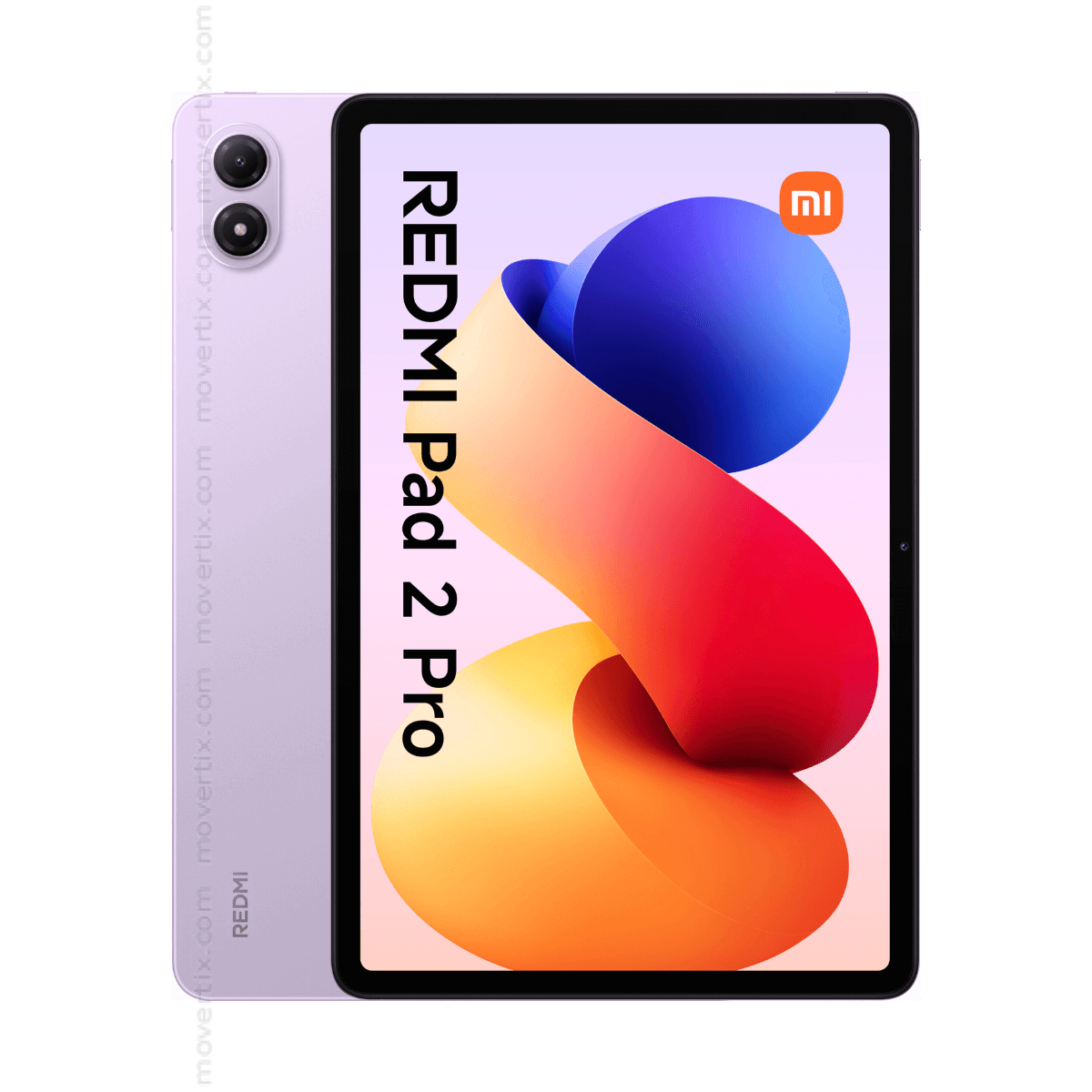
XIAOMI Redmi Pad 2 PRO Only WiFi (No Calls or Text) 12.1" 2.5K Octa Core 4 Speakers Global ROM 12000mAh Bluetooth Wi-Fi 6 8MP Model 25099RP13G (Lavender Purple, 256GB + 8GB)
Xiaomi
Buy — The article favors Redmi as the all-rounder for studies, media, and occasional gaming, citing its 120Hz display, 12000mAh battery, and stronger-looking chipset.
Best fit for the reader who wants the safer all-round tablet for performance, 5G, media, and battery life. The drawback is that Xiaomi’s official pages read here do not give as clear a model-specific Android upgrade promise as Lenovo’s page.Available at Amazon(paid link) — opens Amazon in a new tab. Price and availability shown there.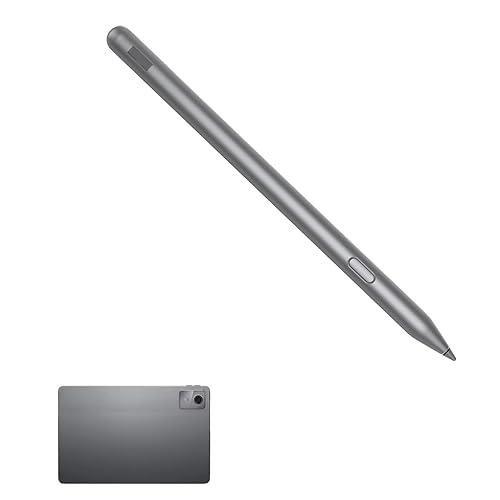
TabPen Plus for Lenovo Tab Pen Plus (AP500U/AP501U) Compatible with Lenovo Tab M11/P12/M10 5G/K11 /Y700 / Legin Tab Gen 3 Pen-Palm Rejection
TabPen
It depends — The article favors Lenovo for handwritten notes only when the exact tablet SKU includes the Lenovo Tab Pen; it does not establish compatibility for this separately listed pen.
Best fit if handwritten notes are central and the exact SKU includes the Lenovo Tab Pen. The drawback is that many listings are Wi-Fi-only, so the model number must be checked before assuming 5G.Available at Amazon(paid link) — opens Amazon in a new tab. Price and availability shown there.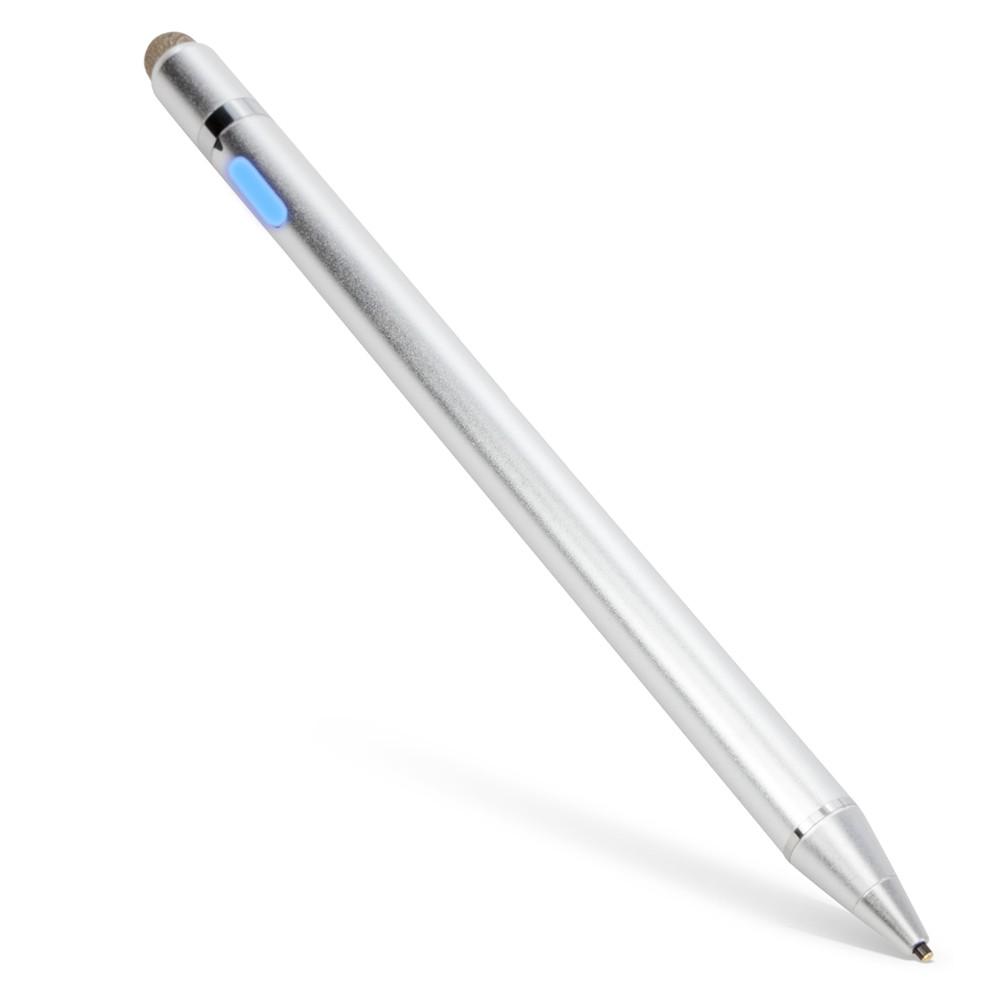
BoxWave Stylus Pen Compatible with Xiaomi Redmi Note 14 Pro - AccuPoint Active Stylus, Electronic Stylus with Ultra Fine Tip - Metallic Silver
BoxWave
It depends — The article gives a reason to consider a separate pen for Redmi school notes because the box contains no pen, but it does not establish this stylus's compatibility.
Useful if choosing the Redmi mainly for school notes, because Xiaomi’s listed box contents do not include a pen. The drawback is extra compatibility checking by region and tablet model.Available at Amazon(paid link) — opens Amazon in a new tab. Price and availability shown there.
Sources
Pages consulted while researching this article. None of these are affiliate links.
- REDMI Pad 2 Pro 5G Specs - Xiaomi Global — mi.com
- Idea Tab Plus | 12.1 Inch AI-Enhanced Tablet for Students | Lenovo US — lenovo.com
- Lenovo Idea Tab Plus Specifications - PSREF — psref.lenovo.com
- Xiaomi Security Center - Product Support Policy Overview — trust.mi.com