Redmi Pad 2 8GB or Pad Pro: The Real Pick
The questionWhere do these come from?
Please tell me which tablet I should buy now.
Should I buy the Xiaomi Redmi Pad 2 11" Android Tablet 256GB 8GB RAM for $217.70, or Lenovo Idea Tab 11" 2.5K MediaTek Dimensity 6300 8GB 128GB Android 15, Luna Grey for $195 or Samsung Galaxy Tab A11+ 11" WiFi Tablet 128GB Gray for $182?
Choose Redmi Pad Pro for performance, screen speed, keyboard support, and charging; choose Redmi Pad 2 8GB only for a smaller, lighter tablet.
Choose the Redmi Pad Pro over the Redmi Pad 2 8GB if the tablet will be used for gaming, multitasking, typed schoolwork, or long-term productivity. Choose the Redmi Pad 2 8GB only if the smaller 11-inch body matters more than the Pro’s faster chip, 120Hz screen, larger battery, stronger accessory support, and 33W charging.
| Spec that changes the decision | Redmi Pad 2 8GB RAM | Redmi Pad Pro |
|---|---|---|
| Processor | MediaTek Helio G100-Ultra, 6nm | Snapdragon 7s Gen 2, 4nm |
| Display | 11-inch, 2560 x 1600, up to 90Hz | 12.1-inch, 2560 x 1600, 120Hz AdaptiveSync |
| Storage/RAM options | 8GB + 256GB | 6GB + 128GB, 8GB + 128GB, 8GB + 256GB |
| Battery and charging | 9000mAh, 18W fast charging, 15W in-box adapter | 10000mAh, 33W fast charging |
| Official keyboard support | No keyboard support | Redmi Pad Pro Keyboard |
The hard numbers above come from Xiaomi’s official Redmi Pad 2 and Redmi Pad Pro specifications, plus Xiaomi’s accessory compatibility list. The important part is that the 8GB RAM label does not make the Redmi Pad 2 the stronger tablet. RAM helps keep apps open, but the Redmi Pad Pro still has the better platform around it: a higher-end processor, faster display refresh rate, bigger screen, larger battery, faster charging, Wi-Fi 6 support, and official keyboard case support.
The 8GB version means 256GB of storage
The Redmi Pad 2 8GB version is officially listed as 8GB + 256GB with LPDDR4X RAM and UFS 2.2 storage. That is the best Redmi Pad 2 configuration to compare against the Redmi Pad Pro, because the lower Redmi Pad 2 configurations drop to 4GB or 6GB RAM.
But the Redmi Pad Pro also comes in 8GB configurations, including 8GB + 128GB and 8GB + 256GB, depending on region. So this is not really an 8GB-versus-Pro question. It is an 8GB Redmi Pad 2 versus a physically larger and more capable Redmi Pad Pro question.
If both tablets being considered have 8GB RAM, the Pro wins on the parts that usually make the tablet feel faster: the Snapdragon 7s Gen 2 platform, the 120Hz display, and better wireless connectivity. If the Redmi Pad Pro unit being considered is the 6GB RAM version, the choice gets narrower: the Pad 2 8GB may hold more apps in memory, but the Pro still has the stronger processor and better screen hardware.
For school use, the same logic applies. If the tablet is mostly for PDFs, notes, browsing, video classes, and split-screen work, the Redmi Pad Pro is the safer school tablet because the larger 12.1-inch display gives documents and two-app layouts more room. The separate Redmi Pad 2 school-use guide is more useful if the only question is whether the cheaper, smaller Redmi model is enough for basic class work.
Pad Pro wins on gaming and smoothness
Choose the Redmi Pad Pro. Xiaomi lists the Redmi Pad Pro with a Snapdragon 7s Gen 2 on a 4nm process and a display that supports 120Hz AdaptiveSync. The Redmi Pad 2 uses the MediaTek Helio G100-Ultra on a 6nm process and its display refresh rate goes up to 90Hz.
That does not mean every game will run at 120 frames per second on the Pro. Game support, thermal behavior, graphics settings, and Android tablet optimization still decide the actual frame rate. But the hardware direction is clear: the Pad Pro has the stronger processor class and the higher refresh-rate ceiling.
The Redmi Pad 2 8GB is still reasonable for streaming, casual games, browser tabs, YouTube, reading, and light multitasking. It is not the better choice if the tablet will regularly handle heavier 3D games, large multitasking sessions, or apps that benefit from more sustained CPU and GPU headroom.
Where Pad 2’s smaller screen is the advantage
This is the one place where the Redmi Pad 2 can be the better fit. Xiaomi lists the Redmi Pad 2 at 11 inches, 254.58 mm tall, 166.04 mm wide, 7.36 mm thick, and 510g. The Redmi Pad Pro is 12.1 inches, 280.0 mm tall, 181.85 mm wide, 7.52 mm thick, and 571g.
The Pro gives you more screen area for movies, documents, spreadsheets, note-taking, and split screen. The tradeoff is simple: it is physically larger and heavier. If the tablet will mostly be held in one hand for reading, used on a couch, carried in a small bag, or handed to a child, the Redmi Pad 2’s smaller body is a real advantage.
Just want the recommendation?
Skip to the picksResolution alone does not settle it because both official spec sheets list 2560 x 1600. The Pad 2 has higher pixel density at 274 ppi because that same resolution is packed into a smaller 11-inch screen. The Pro has lower listed pixel density at 249 ppi, but the larger panel is more useful for layouts where space matters.
Pad Pro is the better keyboard companion
Choose the Redmi Pad Pro if a keyboard case matters. Xiaomi’s accessory compatibility page says the Redmi Pad Pro supports the Redmi Smart Pen, Redmi Pad Pro Keyboard, and Redmi Pad Pro Cover. The same Xiaomi page lists the Redmi Pad 2 as compatible with the Redmi Smart Pen and Redmi Pad 2 Cover, but not keyboards.
That is a practical difference, not a spec-sheet footnote. Bluetooth keyboards from other brands may still pair with the Redmi Pad 2 like normal Bluetooth accessories, but that is not the same as official keyboard-case support. If the plan is to turn the tablet into a small writing, school, or document-editing setup, the Redmi Pad Pro has the cleaner path.
For pen use, both models support the Redmi Smart Pen according to Xiaomi’s compatibility list. The Pad 2 product page says the Redmi Smart Pen works at a 60Hz refresh rate with Redmi Pad 2. The Pad Pro specs list pen-related touch sampling at up to 240Hz when using the Redmi Smart Pen. Those are not interchangeable claims: the official pages describe different measurements, and they should not be treated as a direct latency benchmark.
Pad Pro also wins on battery and charging
The Redmi Pad Pro has the better battery-and-charging spec. Xiaomi lists it with a 10000mAh typical battery and 33W fast charging. The Redmi Pad 2 is listed with a 9000mAh typical battery, 18W fast charging, and a 15W in-box adapter.
Real battery life will still depend on brightness, refresh rate, Wi-Fi signal, video apps, gaming load, and background apps. But for the buying decision, the Pro has both the larger listed battery and the faster official charging ceiling.
Both tablets use USB Type-C and both spec sheets list USB 2.0 data transfer. Do not buy either one expecting fast USB file transfer speeds or external-display behavior unless a specific regional product page or support document for that exact model confirms it.
Verify the exact RAM and storage before buying
Check the exact storage/RAM label printed by the seller or on the box. For the Redmi Pad 2, the relevant model is 8GB + 256GB. For the Redmi Pad Pro, the strongest like-for-like comparison is also 8GB + 256GB.
Check whether the listing is Redmi Pad Pro, Redmi Pad Pro 5G, Redmi Pad 2, Redmi Pad 2 4G, Redmi Pad 2 Pro, or Redmi Pad 2 Pro 5G. Xiaomi has several similarly named tablets, and accessory compatibility is not identical across all of them.
Check the region page for the unit being sold. Xiaomi’s global Redmi Pad Pro spec page lists multiple storage/RAM configurations, while regional availability can be narrower. The same caveat applies to accessories and bundled chargers.
Pad Pro is the better pick for most people
The Redmi Pad Pro is the better tablet for most people comparing it with the Redmi Pad 2 8GB RAM model. The Pro is the better choice for gaming, smoother scrolling, split-screen work, typing with an official keyboard case, faster charging, and a larger workspace.
The Redmi Pad 2 8GB RAM is the right choice only when the smaller 11-inch size and lighter 510g body are more important than the Pro’s performance, 12.1-inch 120Hz screen, 10000mAh battery, 33W charging, Wi-Fi 6, and official keyboard support. RAM alone should not decide this comparison.
The bottom line
Both are defensible — the split is what you do with it:
Top pick
Buy this
Xiaomi Redmi Pad Pro Tablet
Xiaomi
The article recommends the Redmi Pad Pro for most buyers because it offers a Snapdragon 7s Gen 2, a 12.1-inch 120Hz display, and 33W charging.
The ruling above: the Pro is the pick for gaming, multitasking, typed schoolwork or anything expected to last. The Redmi Pad 2 8GB only wins if the smaller 11-inch body matters more than the faster chip.Available at Amazon(paid link) — opens Amazon in a new tab. Price and availability shown there.The alternative
Buy this
IVEOPPE Keyboard Case for Xiaomi Redmi Pad 2 Pro/Pad Pro/Poco Pad 12.1 inch
IVEOPPE
The article recommends a keyboard-case setup for typed schoolwork and document editing on the Redmi Pad Pro.
This is the key accessory that makes the Redmi Pad Pro a better productivity choice than the Redmi Pad 2. The drawback is that Xiaomi lists it for the Pro, not the regular Redmi Pad 2.Available at Amazon(paid link) — opens Amazon in a new tab. Price and availability shown there.
Recommended products
Ordered by how well each one fits the situations above. Each link below is a paid link.
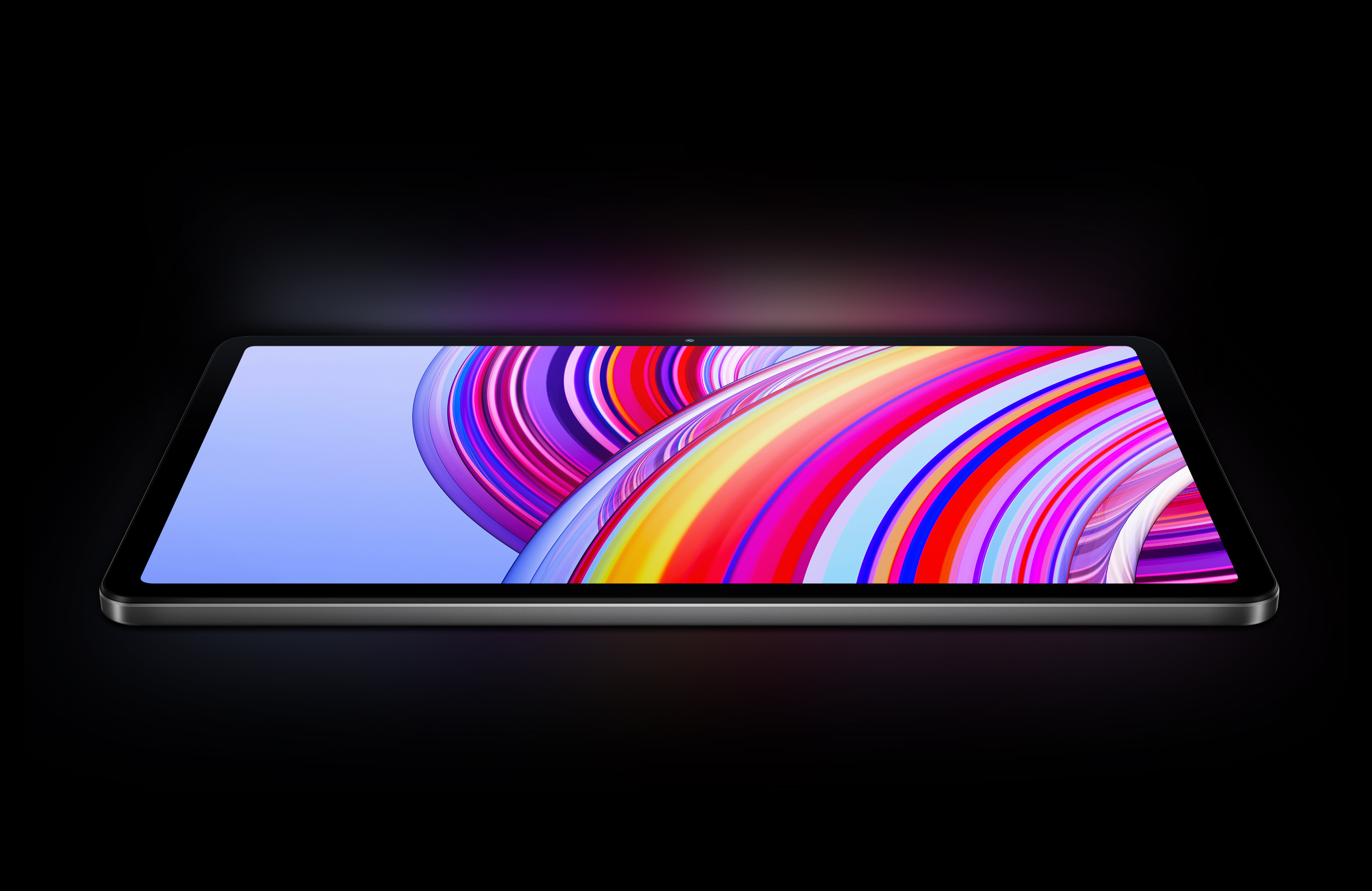
Xiaomi Redmi Pad Pro Tablet
Xiaomi
Buy — The article recommends the Redmi Pad Pro for most buyers because it offers a Snapdragon 7s Gen 2, a 12.1-inch 120Hz display, and 33W charging.
The ruling above: the Pro is the pick for gaming, multitasking, typed schoolwork or anything expected to last. The Redmi Pad 2 8GB only wins if the smaller 11-inch body matters more than the faster chip.Available at Amazon(paid link) — opens Amazon in a new tab. Price and availability shown there.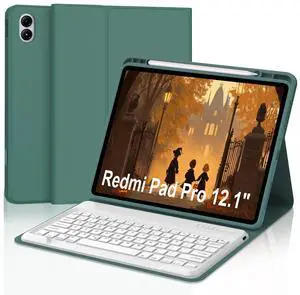
IVEOPPE Keyboard Case for Xiaomi Redmi Pad 2 Pro/Pad Pro/Poco Pad 12.1 inch
IVEOPPE
Buy — The article recommends a keyboard-case setup for typed schoolwork and document editing on the Redmi Pad Pro.
This is the key accessory that makes the Redmi Pad Pro a better productivity choice than the Redmi Pad 2. The drawback is that Xiaomi lists it for the Pro, not the regular Redmi Pad 2.Available at Amazon(paid link) — opens Amazon in a new tab. Price and availability shown there.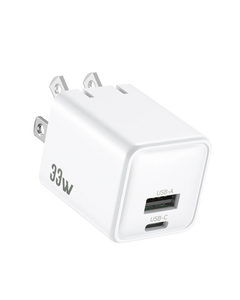
Fast Charging USB C Wall Phone Charger, GaN PD3.0 PPS Compact Foldable 33W
imokin
Buy — The article favors taking advantage of the Redmi Pad Pro's 33W charging capability, compared with the Redmi Pad 2's 18W limit.
Needed to take advantage of the Redmi Pad Pro’s higher charging capability if the bundled adapter in your region is not the one you want to use. The drawback is that it will not make the Redmi Pad 2 charge at 33W.Available at Amazon(paid link) — opens Amazon in a new tab. Price and availability shown there.
Sources
Pages consulted while researching this article. None of these are affiliate links.
- Xiaomi Redmi Pad Pro 5G Review — Notebookcheck — notebookcheck.net
- Redmi Pad 2 Tablet Review — cgmagonline.com
- Redmi Pad Pro review: Xiaomi's best budget tablet yet — androidcentral.com
- Snapdragon 7s Gen 2 Mobile Platform — qualcomm.com
- MediaTek Helio G100 — mediatek.com
- REDMI Pad 2 Specs - Xiaomi Global — mi.com
- Redmi Pad Pro Specs - Xiaomi Global — mi.com
- The accessory compatibility list for the Xiaomi/REDMI/POCO Pad — mi.com
- REDMI Pad 2 - Xiaomi Global — mi.com