Xiaomi Pad 6: When 8GB/256GB Beats 6GB/128GB
The question
xiaomi pad 6 6gb 128gb vs 8gb 256gb
Choose the Xiaomi Pad 6 8GB/256GB for downloads and heavier multitasking; 6GB/128GB remains sufficient for streaming and light study.
Choose the Xiaomi Pad 6 8GB/256GB if you keep games, downloaded videos or substantial work files on the tablet. The 6GB/128GB version remains a sensible choice for streaming, reading and light study, but its limited storage makes it the weaker option for a growing offline library.
| Specification | Pad 6 6GB/128GB | Pad 6 8GB/256GB |
|---|---|---|
| Physical RAM | 6GB LPDDR5 | 8GB LPDDR5 |
| Internal storage | 128GB UFS 3.1 | 256GB UFS 3.1 |
| Processor | Snapdragon 870 | Snapdragon 870 |
| Display | 11-inch LCD, 2880 × 1800, 144Hz | 11-inch LCD, 2880 × 1800, 144Hz |
| Battery / charging | 8,840mAh / 33W | 8,840mAh / 33W |
These are Xiaomi’s published specifications. The upgrade adds memory and storage without changing the processor, screen or battery specification. Xiaomi Pad 6 specifications
Neither configuration deserves a blanket warning. The 8GB/256GB is the more flexible choice; the 6GB/128GB makes sense when you can identify a modest workload and a small local library.
For downloaded games and videos, choose 256GB
Storage is the strongest reason to choose the larger model because the Pad 6 has no microSD expansion slot. You cannot buy the 128GB version and later insert a card to increase its built-in capacity. Tech Advisor confirms that limitation in its review. Tech Advisor’s Xiaomi Pad 6 review
The useful number is smaller than the capacity printed on the box: Notebookcheck recorded 107GB free on its 6GB/128GB review unit. That was its tested configuration in 2023, rather than a guarantee for every firmware version or freshly configured tablet. Notebookcheck’s Xiaomi Pad 6 review
Use that measurement to make the decision concrete. Suppose your intended apps, games and downloads total 80GB. Subtracting that illustrative workload from the review unit’s 107GB leaves 27GB. That remainder still has to accommodate additional downloads, growing app data and temporary files. The 80GB workload is an example, not a measured requirement or an official cutoff.
Before choosing, check the space used by the content you intend to transfer. Count installed game data rather than only the initial download, and include the videos you want available without Wi-Fi. A tablet used mostly for streaming has a different storage requirement from one carrying a holiday’s entertainment.
The practical recommendation is straightforward: choose 256GB when deleting one game to install another would bother you. Choose 128GB when keeping only the material you currently need is already how you manage your devices.
For study and app switching, 8GB adds breathing room
RAM holds working data for running applications. Android keeps inactive app processes cached so that returning to them can be quicker, but it can terminate cached processes when resources become scarce. Google documents this behaviour in its explanation of Android memory management. Android Developers: memory management
That makes the extra memory relevant when your workflow involves moving between a browser, a document, notes and a messaging app. More physical RAM provides room for a larger combined workload. Expect the potential benefit to show up in retaining working apps, rather than assume every tap or calculation becomes faster.
Just want the recommendation?
Skip to the picksThis is an inference from the memory difference and Android’s behaviour. The cited reviews do not provide a controlled 6GB-versus-8GB app-retention test on identical firmware, so there is no defensible promise that the larger model keeps a particular number of extra apps open. Nor does 8GB guarantee that an application will never reload.
For straightforward reading, video lessons and ordinary documents, the smaller configuration remains reasonable. Tech Advisor reviewed the 6GB model and reported responsive everyday use across browsing, messaging, email and video, with occasional hesitations. That supports choosing it for a modest workload; it does not establish that every demanding study setup will behave the same way. Tech Advisor’s everyday performance assessment
Choose according to the work itself. Reading a PDF and making brief notes is a different demand from repeatedly switching among large reference documents, browser research and creative applications.
For gaming, separate storage capacity from frame rate
Do not assume that 8GB RAM means a proportional increase in gaming speed. Xiaomi specifies the same Snapdragon 870 for both versions. Extra memory can help when memory capacity is the constraint, but it does not constitute a processor upgrade.
There is useful evidence that the smaller model can play games competently: Notebookcheck measured an average 59.8fps in PUBG Mobile at HD settings and 39.9fps at Ultra HD on its 6GB/128GB unit. Those are historical results from its 2023 review, not predictions for current game builds. Notebookcheck’s gaming measurements
Those measurements also show why the display’s refresh rate should not decide this comparison. A screen capable of refreshing at 144Hz does not mean a game will render 144 frames per second.
For someone keeping several large games installed, the 8GB/256GB configuration is the stronger recommendation because it accommodates a larger library. For someone playing a small selection and rarely switching away mid-session, the evidence does not justify dismissing the 6GB model as inherently unsuitable for gaming.
Check both capacity numbers before ordering
Xiaomi also lists an 8GB/128GB configuration. A listing described only as “Pad 6 8GB” therefore does not establish that it includes 256GB storage. Check both numbers in the selected variant. Xiaomi’s configuration list
The middle configuration answers a narrower need: additional RAM for app switching while retaining the smaller storage capacity. It does not solve the offline-library limitation that makes the 8GB/256GB model preferable here.
External file storage is possible: Notebookcheck documents USB OTG support for connecting storage devices. However, using a separate drive to carry files is a different routine from having your library stored inside the tablet. Notebookcheck’s connectivity assessment
If expandable storage is essential to your choice, the related guide to Redmi Pad 2 storage expansion addresses that alternative. Between these two Pad 6 configurations, choose 8GB/256GB for a growing workload and local library; keep 6GB/128GB on the shortlist for streaming, reading and deliberately limited downloads.
The bottom line
Neither is wrong; the use case separates them:
Top pick
Buy this
Xiaomi Pad 6 8GB RAM 256GB Wi-Fi Gravity Gray
It provides 2GB more physical RAM and twice the internal storage of the 6GB/128GB configuration.
Choose this configuration for a growing game library, offline videos and heavier app switching. It retains the same processor as the 6GB model, so the upgrade does not guarantee higher gaming frame rates.Available at Amazon(paid link) — opens Amazon in a new tab. Price and availability shown there.The alternative
It depends
Xiaomi Pad 6 6GB RAM 128GB Wi-Fi Gravity Gray
Its Snapdragon 870 matches the larger configuration, but 128GB of storage and no microSD slot restrict the local library it can accommodate.
Suitable for streaming, reading and light study with limited downloads. Its 128GB storage cannot be expanded using a microSD card.Available at Amazon(paid link) — opens Amazon in a new tab. Price and availability shown there.
Recommended products
Ordered by how well each one fits the situations above. Each link below is a paid link.
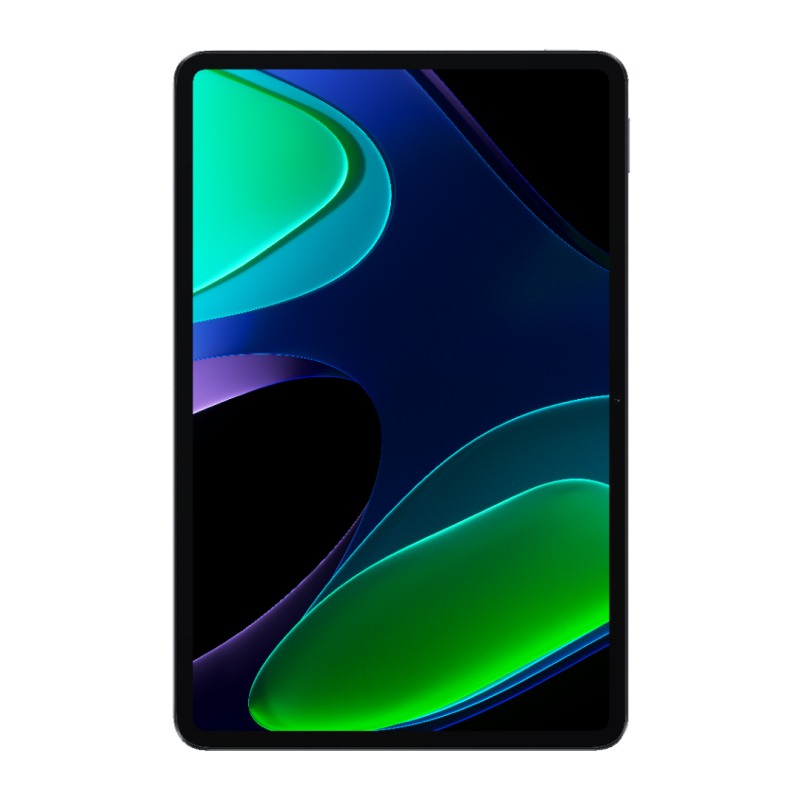
Xiaomi Pad 6 8GB RAM 256GB Wi-Fi Gravity Gray
Buy — It provides 2GB more physical RAM and twice the internal storage of the 6GB/128GB configuration.
Choose this configuration for a growing game library, offline videos and heavier app switching. It retains the same processor as the 6GB model, so the upgrade does not guarantee higher gaming frame rates.Available at Amazon(paid link) — opens Amazon in a new tab. Price and availability shown there.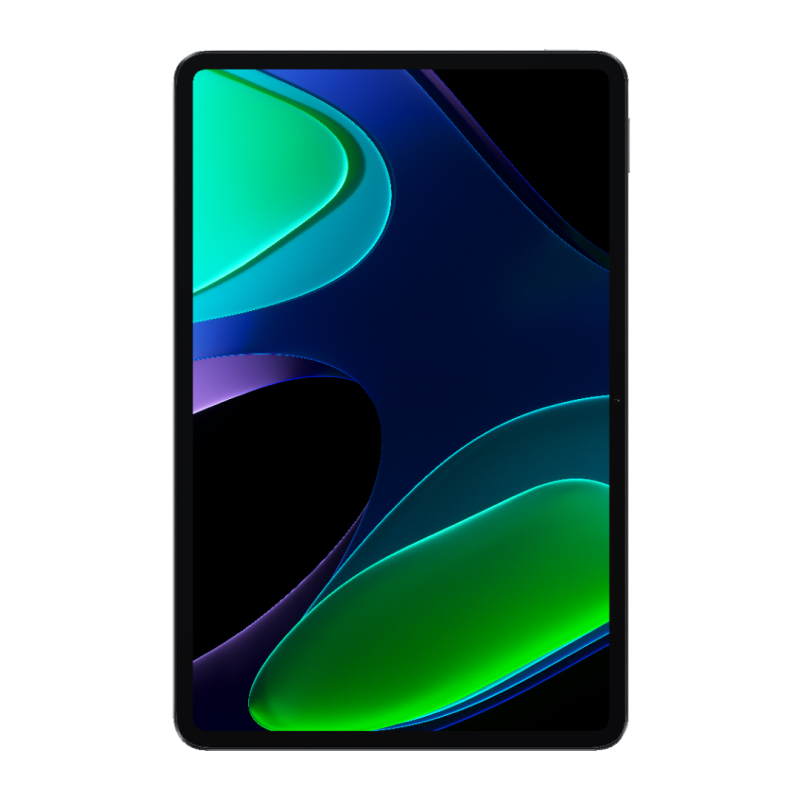
Xiaomi Pad 6 6GB RAM 128GB Wi-Fi Gravity Gray
Consider — Its Snapdragon 870 matches the larger configuration, but 128GB of storage and no microSD slot restrict the local library it can accommodate.
Suitable for streaming, reading and light study with limited downloads. Its 128GB storage cannot be expanded using a microSD card.Available at Amazon(paid link) — opens Amazon in a new tab. Price and availability shown there.
Sources
Pages consulted while researching this article. None of these are affiliate links.
- Xiaomi Pad 6 specifications — mi.com
- Notebookcheck: Xiaomi Pad 6 review — notebookcheck.net
- Tech Advisor: Xiaomi Pad 6 review — techadvisor.com
- Android Developers: Overview of memory management — developer.android.com