LG GX870A-B in a Bright Room: WOLED or Tandem?
The questionWhere do these come from?
Suggestion for bright but indirect sun W-OLED?
Hi everyone. I’ve been using QD OLED for 2 years (271QRX). My room is bright without direct sun facing where my table/monitor is. I’ve heard that W OLED and the new 4th gen Tandem OLED is better suited for bright rooms.
A polarizer-equipped WOLED or tandem OLED like the LG GX870A-B copes with indirect sunlight far better than QD-OLED, though glare and ABL remain.
For a room with indirect sunlight, a WOLED or tandem OLED with a polarizer is the right family, and QD-OLED is the one to avoid. The LG UltraGear GX870A-B is a reasonable candidate, but the research behind this page found no spec sheet or independent bright-room measurement for that exact model. Treat it as unverified until you have checked LG’s own product page and a model-specific review.
Why WOLED beats QD-OLED in a bright room
RTINGS attributes QD-OLED’s ambient black-level problem to the missing polarizer: in a lit room its blacks rise much faster than on WOLED and tend to look purple-grey. The WOLED polarizer also cuts glare, because it filters ambient light before it reflects back. This is a family-level finding from RTINGS’s WOLED vs. QD-OLED explainer. RTINGS also says to check the review of the specific monitor, since results are measured per model, and its Ambient Black Level Raise test is the one to look for in any review you read.
The practical meaning: in a room where the screen is lit by bounced daylight, the “infinite contrast” of OLED is only as good as the panel’s ability to stay dark under that light. A polarizer is the mechanism that protects it, which is why panel family matters more here than headline brightness.
Where tandem fits
RTINGS’s Tandem OLED vs. QD-OLED page says tandem panels get brighter and keep black levels better in lit rooms than QD-OLED. LG’s 4th Gen “Primary RGB Tandem” gaming monitors are listed at up to 1500 nits peak. The previous-generation 27GX790A-B is a WOLED with Micro Lens Array+ listed at 1300 nits peak at 1.5% APL (LG product page).
Those are peak figures on a small window. Sunlit rooms are about full-screen brightness, where OLEDs dim (ABL), so a tandem panel’s advantage is mostly sustained brightness. Compare the sustained full-screen figures in a review rather than the box number.
Just want the recommendation?
Skip to the picksWhat this does not fix
- Direct reflections. Glossy panels reflect a window or lamp even with a polarizer, and RTINGS notes an inverse relationship between direct reflections and black raise. A matte coating spreads light and lifts blacks. Placing the monitor perpendicular to the window helps more than panel choice.
- Direct sun. None of these is a tool for a screen in direct sunlight. SDR content in a bright room will look washed compared with a mini-LED or LCD.
- Unverified GX870A-B details. If the listing says WOLED, expect the polarizer behaviour above; if it says tandem, expect the better brightness. Check the “-B” regional variant and the coating type before buying.
Cheap fixes that matter as much as the panel
Before spending more on a brighter panel, the room matters. Position the screen so a window is beside it or behind you rather than in front, since a window behind the monitor forces your eyes to adapt to the bright background and makes any black look grey. Sheer curtains or blinds that diffuse the light take most of the sting out of indirect sun without darkening the room. A monitor hood or a deeper desk position can cut stray light across the panel, and bias lighting behind the screen reduces the perceived contrast gap.
Software helps too: set the SDR content brightness slider in Windows high enough for daytime, and keep HDR for the evening when the room is darker. Heavy ABL is most visible with bright, mostly white windows such as documents and web pages, so a bright-room user who also works in text-heavy apps will notice dimming more than someone who only plays dark games. OLED care features such as pixel refresh and screen-shift are worth leaving on, because daytime use at high brightness is harder on the panel than evening use.
How the options compare
| Model | Verdict | Panel and brightness claim | The catch |
|---|---|---|---|
| LG UltraGear GX870A-B | Consider | Unconfirmed in research; check LG’s page | Little review coverage |
| LG 27GX790A-B | Consider | WOLED MLA+, 1300 nits peak | Previous generation |
| LG 27GX700A-B | Consider | Tandem, up to 1500 nits peak | Newer, regional availability |
| Samsung Odyssey OLED G60SD | Skip | QD-OLED, no polarizer | Raised blacks in lit rooms |
What to skip and who it is wrong for
Skip QD-OLED models such as the Samsung Odyssey OLED G6 G60SD if the room is bright in the daytime: the missing polarizer is the documented cause of the raised, purple-tinted blacks. It remains a fine choice if you mostly play in a dim room and want its colour.
Deciding when review coverage is thin
A model with few reviews is not necessarily a bad monitor; it is a monitor whose behaviour you cannot confirm. The way to reduce the risk is to verify three things yourself: the panel type named on the manufacturer’s page, whether the screen has a glossy or anti-glare finish, and the retailer’s return window. If the panel is a polarized WOLED or tandem and the return window covers a full week of daytime use, the downside is small. If the listing is vague about the panel, or the return policy is restrictive, the cost of being wrong is higher and a model with measured results is the safer buy.
Practical call
If reviews for the GX870A-B are thin, the safer path is to buy the model with a measured ambient black-level result, such as the 27GX790A-B, or the tandem 27GX700A-B for more brightness. Buy the GX870A-B only if its listing confirms a polarized WOLED or tandem panel and you can return it. No independent lab data for it was found, so any figure for it beyond LG’s own is unverified.
The bottom line
It splits on what you are actually asking:
Top pick
It depends
LG 27GX704A-B 27-inch Ultragear QHD (2650x1440) OLED Gaming Monitor 240Hz, 0.03ms, NVIDIA G-Sync Compatible, AMD FreeSync Premium Pro, VESA Display HDR TrueBlack400, HDMI 2.1, DisplayPort, Black
LG
No spec sheet or independent bright-room measurement for the GX870A-B turned up in research, so its panel type and ambient black-level behaviour are unverified.
The model the question is about: a WOLED-family LG UltraGear that should inherit LG’s polarizer, which is what matters in a sunlit room. Confirm the panel generation and peak nits on LG’s own page and look for a model-specific RTINGS ambient black test before committing.Available at Amazon(paid link) — opens Amazon in a new tab. Price and availability shown there.The alternative
It depends
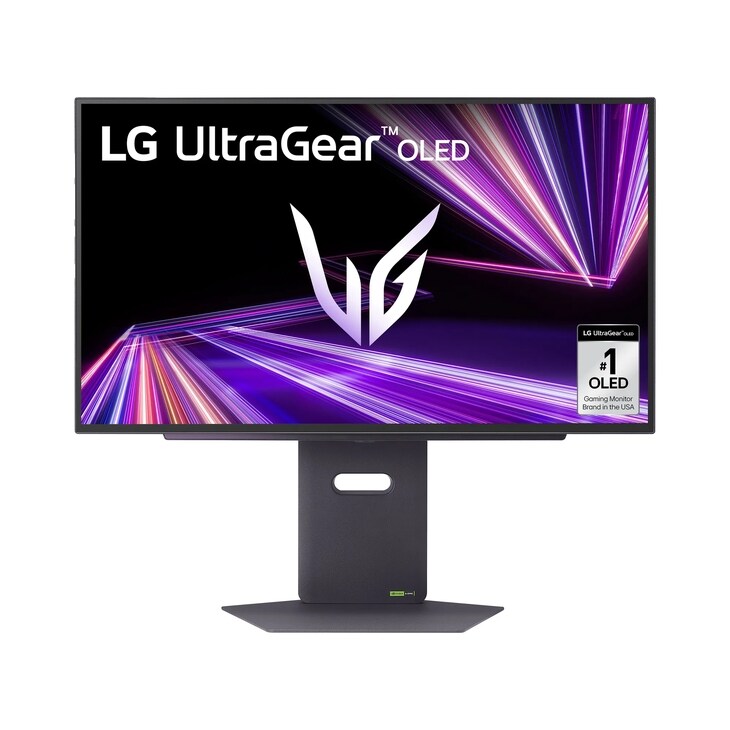
LG UltraGear OLED 27GX790A-B
LG
LG lists 1300 nits peak (1.5% APL) from a WOLED with Micro Lens Array+, so the polarizer-based bright-room approach is documented, but it is the previous generation, not tandem.
An alternative to the GX870A-B if you want a WOLED with a documented spec sheet and more review coverage. Gives up tandem’s higher brightness ceiling.Available at Amazon(paid link) — opens Amazon in a new tab. Price and availability shown there.
Recommended products
Ordered by how well each one fits the situations above. Each link below is a paid link.
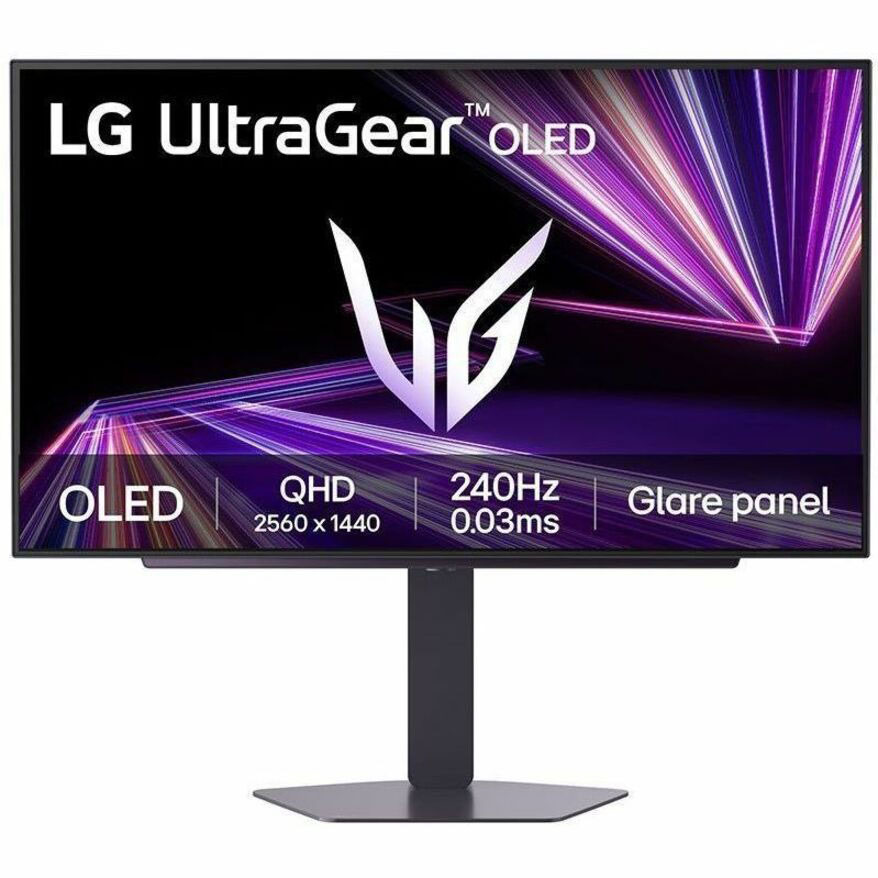
LG 27GX704A-B 27-inch Ultragear QHD (2650x1440) OLED Gaming Monitor 240Hz, 0.03ms, NVIDIA G-Sync Compatible, AMD FreeSync Premium Pro, VESA Display HDR TrueBlack400, HDMI 2.1, DisplayPort, Black
LG
It depends — No spec sheet or independent bright-room measurement for the GX870A-B turned up in research, so its panel type and ambient black-level behaviour are unverified.
The model the question is about: a WOLED-family LG UltraGear that should inherit LG’s polarizer, which is what matters in a sunlit room. Confirm the panel generation and peak nits on LG’s own page and look for a model-specific RTINGS ambient black test before committing.Available at Amazon(paid link) — opens Amazon in a new tab. Price and availability shown there.LG UltraGear OLED 27GX790A-B
LG
It depends — LG lists 1300 nits peak (1.5% APL) from a WOLED with Micro Lens Array+, so the polarizer-based bright-room approach is documented, but it is the previous generation, not tandem.
An alternative to the GX870A-B if you want a WOLED with a documented spec sheet and more review coverage. Gives up tandem’s higher brightness ceiling.Available at Amazon(paid link) — opens Amazon in a new tab. Price and availability shown there.LG UltraGear OLED 27GX700A-B
LG
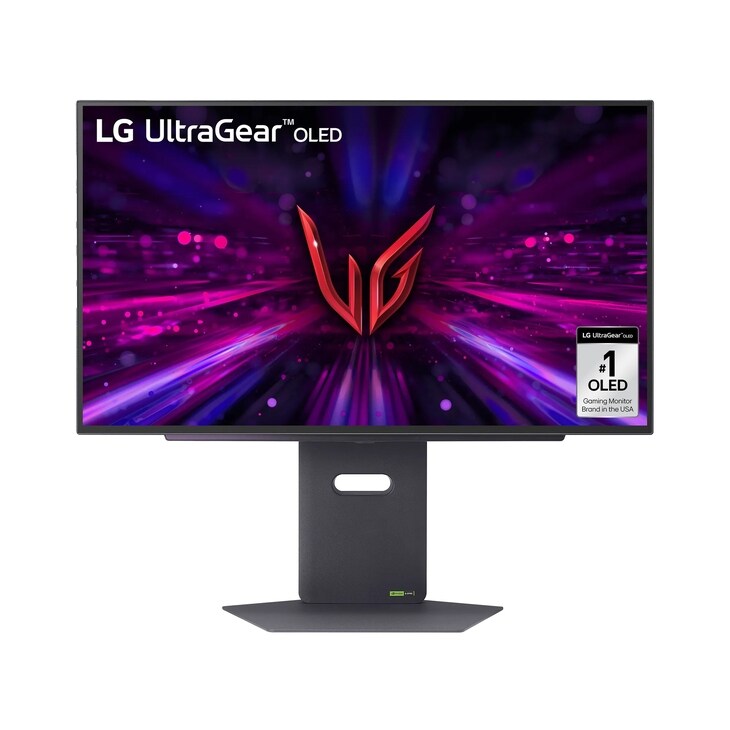
It depends — LG's 4th Gen Primary RGB Tandem panel is listed at up to 1500 nits peak, and RTINGS says tandem holds black levels better than QD-OLED in lit rooms.
The tandem alternative: the pick if brightness headroom for a sunlit room is the priority. Availability varies by region and it is the newer, less-reviewed technology.Available at Amazon(paid link) — opens Amazon in a new tab. Price and availability shown there.Samsung 27” Odyssey OLED G6 (G60SD) Series Gaming Monitor with QHD & QD-OLED, 360Hz 0.03ms, AMD FreeSync Premium Pro, Anti-Glare, Sleek Design, Cooling System, 3 Year Warranty, LS27DG602SNXZA
Samsung
Skip — QD-OLED lacks a polarizer, and RTINGS reports its blacks rise much faster than WOLED in bright rooms and look purple-grey.
A rival QD-OLED, the usual alternative people weigh; fine in dim rooms with better colour, wrong for a room with indirect sunlight.Available at Amazon(paid link) — opens Amazon in a new tab. Price and availability shown there.

Sources
Pages consulted while researching this article. None of these are affiliate links.
- RTINGS: WOLED vs. QD-OLED — rtings.com
- RTINGS: Tandem OLED vs. QD-OLED — rtings.com
- RTINGS: Ambient Black Level Raise test — rtings.com
- LG UK: 27GX790B-B product page — lg.com