Sony 24-105mm F4 G OSS: Still the Right A7 III Zoom?
The questionWhere do these come from?
Advice for lens Sony A7 mark 3
Hello, I have a standard a7 mark 3 that I have been using for the past two years. I have been using it together with a 24mm f2.8 Tamron prime lens and have been enjoying it thoroughly, but I feel it might be time for a zoom lens now.
For one zoom covering nature, architecture, and wide framing on a Sony A7 III, the 24-105mm F4 G OSS still beats its modern rivals overall.
Buy the Sony FE 24-105mm F4 G OSS. For a single zoom that has to cover wide architecture, general nature detail, and handheld low light on an A7 III, nothing else in this class matches its combination of a 24mm wide end, 105mm reach, and built-in Optical SteadyShot without forcing a trade against one of those three needs.
Here’s how it stacks up against the lenses people usually cross-shop against it for exactly this brief:
| Buy / Skip | The thing that decides it | The catch | |
|---|---|---|---|
| Sony FE 24-105mm F4 G OSS | Buy | 24mm wide end and 105mm reach and OSS, all in one lens | Corners need f/5.6–f/8 to fully sharpen, and at 663g it’s the heaviest of this group |
| Sony FE 20-70mm F4 G | Consider | 20mm covers tighter architectural framing than 24mm can | No built-in stabilization, and 70mm is short for reaching into nature detail |
| Sigma 28-105mm F2.8 DG DN Art | Consider | f/2.8 gathers twice the light of f/4 for low-light nature work | Starts at 28mm, so the widest architecture shots are off the table, and it has no OSS |
| Tamron 28-75mm F2.8 Di III VXD G2 | Skip | Lightest and most compact lens of the four | Loses both the 24mm wide end and everything past 75mm |
Why the range matters more here than the aperture
A 24-105mm zoom does two jobs a 24-70mm can’t: it gets you wide enough for a building’s full facade at 24mm, and it reaches far enough at 105mm to isolate architectural detail or a distant animal without a lens change. Amateur Photographer’s review rates the lens “superb” for corner-to-corner sharpness at every focal length and calls it as suitable for new buyers as the pricier Sony FE 24-70mm F2.8 GM, noting the trade is a stop of light for 35mm of extra reach and a lighter, more compact package. If you’re carrying one lens for a day of mixed nature and architecture shooting, that reach is what keeps you from missing shots rather than swapping glass.
f/4 with stabilization vs f/2.8 without it
The A7 III’s 5-axis in-body stabilization is rated at 5.0 stops under CIPA testing, but DPReview’s real-world test measured a more modest 2⅔-stop handheld advantage at 24mm — a 60% sharp-shot rate down to roughly 1/3 second with stabilization on, versus 1/30 second with it off. That’s the number that matters here: for static subjects like buildings and landscapes, that stabilization advantage does more to offset f/4’s narrower aperture than raw aperture speed alone suggests, because it lets you shoot at lower ISO handheld rather than needing a faster f-stop. It doesn’t help with a moving subject, which is the one case where the extra stop on the Sigma below still counts.
Does the OSS in the lens add anything over the camera’s own stabilization?
Yes, for this specific lens, because the A7 III’s IBIS is doing more of the work at longer focal lengths where sensor-shift stabilization alone loses effectiveness. The 24-105mm G OSS pairs its own Optical SteadyShot with the body’s IBIS, which is the combination DPReview measured delivering that real-world 2⅔-stop gain. Neither the Sony 20-70mm F4 G, the Sigma 28-105mm F2.8, nor the Tamron 28-75mm F2.8 G2 below carry their own stabilization — all three rely entirely on the A7 III’s IBIS, per The Digital Picture’s 20-70mm review and PetaPixel’s Sigma review. That’s a real difference for handheld work at 105mm specifically, where the lens-based system has more leverage than it does at 24mm.
Just want the recommendation?
Skip to the picksIf width matters more than reach: the Sony FE 20-70mm F4 G
The newer FE 20-70mm F4 G (2023) trades 35mm of telephoto reach for 4mm of extra width at the wide end, and does it in a body that weighs 488g against the 24-105’s 663g, according to The Digital Picture’s measurements. Dustin Abbott’s review confirms it carries no OSS at all, leaning entirely on the A7 III’s in-body system. Choose this over the 24-105 only if architectural interiors — stairwells, tight courtyards, cramped rooms — matter more to you than reaching into nature detail at 105mm, because 70mm is a modest telephoto for that purpose.
If aperture matters more than width: the Sigma 28-105mm F2.8 DG DN Art
Sigma’s 28-105mm F2.8 DG DN Art holds a constant f/2.8 through the same practical reach as the Sony, which is a full stop brighter and doubles the light gathered for handheld low-light nature work. PetaPixel’s review confirms it has no built-in optical stabilizer, and at a weight approaching 1kg it’s noticeably heavier to carry all day than the 663g Sony. The bigger issue for this specific brief is the 28mm wide end: it gives up the 24mm framing that wide architecture and expansive landscapes need, which is the exact requirement the question starts with. Consider it only if low light matters more to you than the widest possible frame.
Skip the Tamron 28-75mm F2.8 Di III VXD G2 for this job
The Tamron is the lens forum threads reach for by default, because at 537g it’s the lightest of any standard zoom in its class and its constant f/2.8 is faster than the Sony’s f/4. For this specific brief it’s the wrong pick: it starts at 28mm, losing the wide end that architecture and open landscapes need, and tops out at 75mm, well short of the reach that isolating nature detail requires. It’s a strong lens for portraits and events, where its compact size and speed are real advantages — it’s simply not a one-lens answer to a question that explicitly asks for wide, reach, and range together.
Where the 24-105mm G OSS still comes up short
It isn’t a flawless answer. The Digital Picture’s testing found noticeable corner softness and vignetting wide open at f/4, cleared up by f/5.6–f/8, plus barrel distortion at 24mm that needs software correction — normal for a zoom this flexible, but worth knowing before you shoot into open sky at the wide end. A side-by-side sharpness shootout against the 24-70mm GM and Tamron 28-75mm found the 24-105 trailing the GM in peak sharpness but delivering more consistent results across the frame, particularly strong in the corners at 50mm. And at 0.38m minimum focus and 0.31x maximum magnification, per DPReview’s specifications, it’s useful for close nature detail like flowers and leaves but isn’t a macro lens, and its 105mm reach isn’t enough for distant wildlife or birds — that’s a separate telephoto’s job regardless of which of these four you choose.
The bottom line for an A7 III
The lens dates to 2017, per its Wikipedia entry, and Sony still sells it new alongside the newer 20-70mm and 24-70mm GM II — a sign it hasn’t been quietly discontinued or replaced. Nothing about its optical design has changed, and nothing in the newer lenses above makes it obsolete for this specific brief: they each trade away one of the three things — width, reach, or stabilization — that the original question asked for together. If you need all three in a single lens on an A7 III, the 24-105mm F4 G OSS is still the one that doesn’t make you choose.
The bottom line
Two of these work — the difference is which situation you are in:
Top pick
Buy this
Sony FE 24-105mm F4 G OSS lens
Sony
It's the only lens here that keeps the 24mm wide end, 105mm reach, and lens-based stabilization together, which is what the one-lens brief actually requires.
Covers wide architecture at 24mm and reaches to 105mm for nature detail in one lens, with built-in Optical SteadyShot that adds real handheld stability on top of the A7 III’s own IBIS. Corners need f/5.6-f/8 to fully sharpen, and at 663g it’s the heaviest lens in this comparison.Available at Amazon(paid link) — opens Amazon in a new tab. Price and availability shown there.The alternative
It depends
Sony FE 20-70mm F4 G lens
Sony
Right only if architecture framing matters more than telephoto reach, since it relies solely on the A7 III's IBIS and gives up 35mm of reach to get there.
A rival to the 24-105 for readers who value width over reach: 20mm covers tighter architectural interiors the 24-105 can’t frame, in a lighter 488g body. It drops OSS entirely and tops out at 70mm, short for isolating nature detail.Available at Amazon(paid link) — opens Amazon in a new tab. Price and availability shown there.
Recommended products
Ordered by how well each one fits the situations above. Each link below is a paid link.
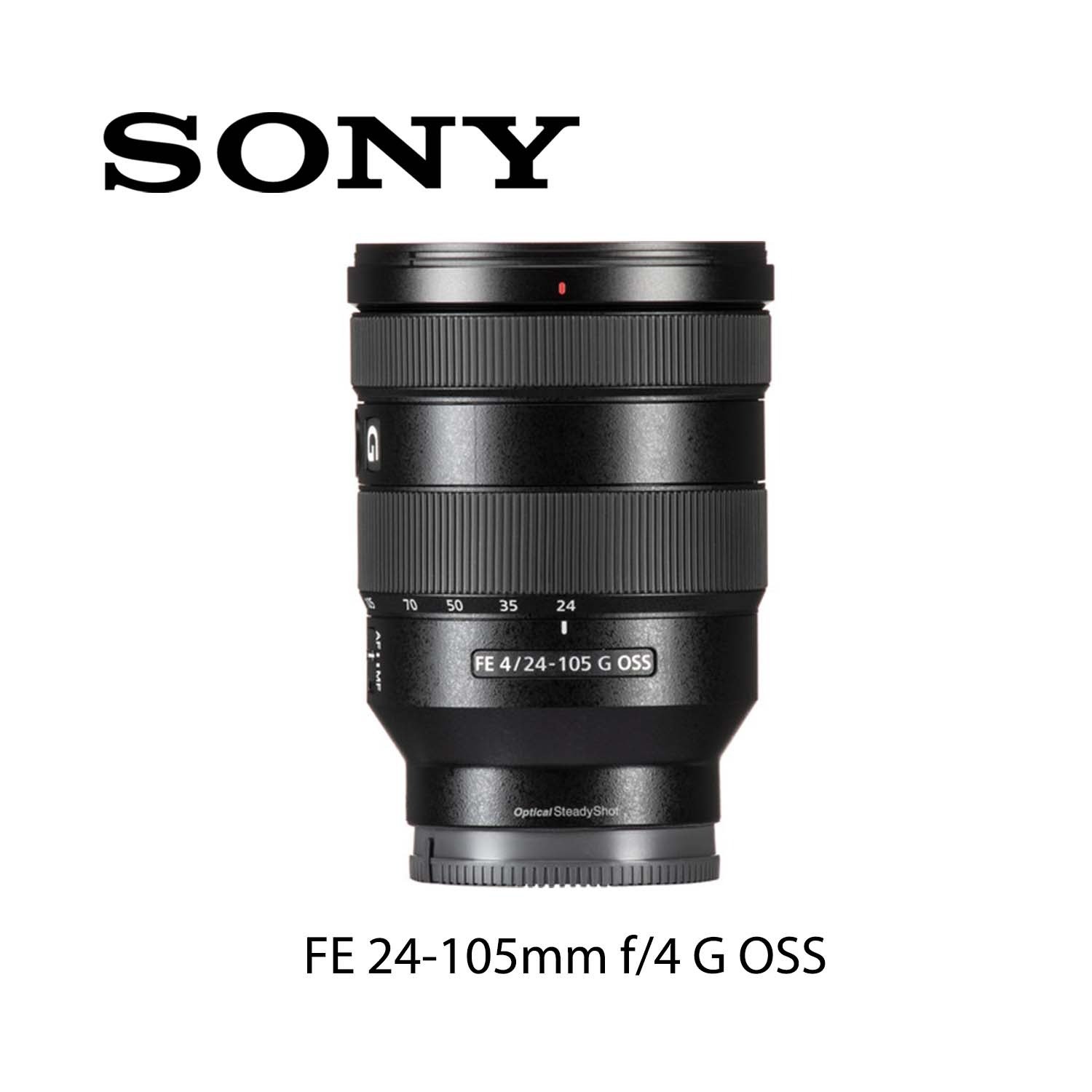
Sony FE 24-105mm F4 G OSS lens
Sony
Buy — It's the only lens here that keeps the 24mm wide end, 105mm reach, and lens-based stabilization together, which is what the one-lens brief actually requires.
Covers wide architecture at 24mm and reaches to 105mm for nature detail in one lens, with built-in Optical SteadyShot that adds real handheld stability on top of the A7 III’s own IBIS. Corners need f/5.6-f/8 to fully sharpen, and at 663g it’s the heaviest lens in this comparison.Available at Amazon(paid link) — opens Amazon in a new tab. Price and availability shown there.
Sony FE 20-70mm F4 G lens
Sony
It depends — Right only if architecture framing matters more than telephoto reach, since it relies solely on the A7 III's IBIS and gives up 35mm of reach to get there.
A rival to the 24-105 for readers who value width over reach: 20mm covers tighter architectural interiors the 24-105 can’t frame, in a lighter 488g body. It drops OSS entirely and tops out at 70mm, short for isolating nature detail.Available at Amazon(paid link) — opens Amazon in a new tab. Price and availability shown there.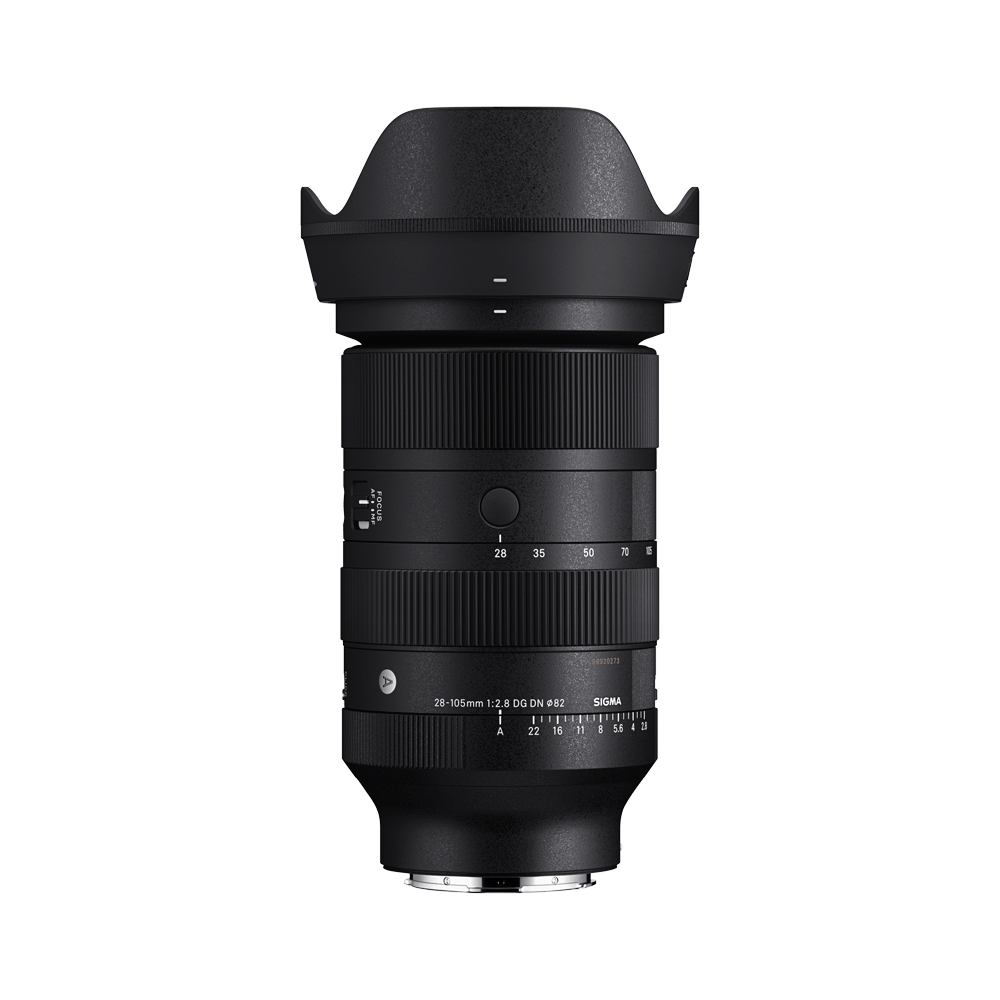
Sigma 28-105mm F2.8 DG DN Art lens
Sigma
It depends — The extra stop helps in low light and with moving subjects where in-body stabilization can't compensate, but the 28mm start line cuts out the widest architecture shots the question calls for.
A rival for low-light priority: constant f/2.8 doubles the light gathered versus f/4 for handheld nature shooting in dim conditions. It starts at 28mm, losing the wide architectural framing, has no optical stabilization, and weighs nearly 1kg.Available at Amazon(paid link) — opens Amazon in a new tab. Price and availability shown there.
Sources
Pages consulted while researching this article. None of these are affiliate links.
- Sony FE 24-105mm F4 G OSS Specifications - DPReview — dpreview.com
- Sony a7 III Review: Image Stabilization - DPReview — dpreview.com
- Sony FE 24-105mm F4 G OSS review - Amateur Photographer — amateurphotographer.com
- Sony FE 24-105mm f/4 G OSS Lens Review - The Digital Picture — the-digital-picture.com
- Sony FE Standard Zoom Shootout: 24-70 GM vs 24-105 G OSS vs Tamron 28-75 - phillipreeve.net — phillipreeve.net
- Sony FE 20-70mm F4 G Lens Review - The Digital Picture — the-digital-picture.com
- Sony FE 20-70mm F4 G Review - DustinAbbott.net — dustinabbott.net
- Sigma 28-105mm f/2.8 DG DN Art Review - PetaPixel — petapixel.com