Acer Nitro AN515-57 Used Buy: What to Check First
The questionWhere do these come from?
Acer Nitro 🦅 AN515 57 vs Asus TUF FX506
Since both units share the same CPU and GPU, a 20-minute stress test and a one-command battery report decide the winner, not the spec sheet.
When two used Acer Nitro AN515-57 units carry the same CPU and GPU, the spec sheet has nothing left to tell you — the decision comes down to wear. Run a 20-minute stress test on each machine, pull a battery report with one command, and listen for two specific sounds under load. That combination catches the failure pattern this chassis is actually known for, and it will usually point clearly at one of the two laptops.
Why the same configuration doesn’t mean the same laptop
The AN515-57 shipped with two CPUs — the Core i5-11400H and the Core i7-11800H — paired with one of four GPU classes: RTX 3050 (75W), RTX 3050 Ti (75W), RTX 3060 (95W), or RTX 3070 (100W), depending on the SKU. Displays split between a 15.6-inch FHD IPS panel at 144Hz and a QHD IPS panel at 165Hz, with RAM configurations from 8GB to 16GB DDR4 across two slots, expandable to 32GB, and a 512GB SSD as the standard drive. Once two used units match on CPU, GPU tier, and wattage class, everything left that could differ between them is a function of how each one was used and cooled, not how it was built.
That matters here specifically because the AN515-57’s most consistent complaint isn’t a single dead part — it’s a thermal system that degrades faster than the chassis around it. Owners on Acer’s own community forum report CPU temperatures climbing to 95°C under sustained gaming load, and one thread describes clocks dropping toward idle after 15–20 minutes of continuous play, which is a symptom of thermal paste failing under load rather than a one-time spike. A repaste documented by Kooling Monster on a two-year-old AN515-57 brought stress-test CPU temperatures down from 91.3°C to 62.8°C — nearly 30°C — which tells you how much headroom a worn thermal interface is quietly eating on a unit that still boots and benchmarks fine. Two identically-configured used units can be years apart in how much of that headroom is left, and a spec sheet will never show it. If you’re also weighing a newer chassis against this one, the same wear-first logic applies to the Acer Nitro V 15 RTX 4050: Check Before You Buy.
Run a 20-minute stress test on each laptop before comparing anything else
Five minutes of Cinebench won’t show you what you need. The throttling Acer Nitro owners report doesn’t show up until 15–20 minutes into a sustained load, which is exactly the load profile of a real gaming session. Run a combined CPU and GPU stress test — Cinebench R23 looped alongside a GPU stress tool like FurMark, or a full AIDA64 System Stability Test — for at least 20 minutes on each unit, and watch two things rather than one:
- The temperature curve, not just the peak. A unit whose CPU temperature climbs steadily over the run, rather than plateauing in the first few minutes, has thermal paste that’s already breaking down.
- Clock speed at the 15-minute mark. A unit still holding close to its boost clocks at minute 20 is in better shape than one that’s dropped toward idle frequencies, even if both hit a similar peak temperature early on.
Whichever unit shows a flatter curve and steadier clocks after 20 minutes is the one with more thermal life left, independent of anything else you find.
Check battery wear with one command
Open an elevated Command Prompt and run powercfg /batteryreport, then open the HTML file it saves to the C: drive. Compare Design Capacity against Full Charge Capacity to get a wear percentage. Nitro 5 firmware doesn’t reliably expose cycle count, so treat capacity ratio as the number that matters, not cycles. A used unit under roughly 15–20% wear is normal for a couple of years of moderate use; a battery already well beyond that, especially paired with reports from the seller that it doesn’t hold a charge off the adapter, is worth taking seriously. Acer’s community forum has threads from AN515-57 owners whose units stopped charging entirely after running the battery flat, in some cases tracing back to charging-circuit repairs rather than a simple battery swap — a failure mode that starts as fast wear and ends as a much bigger repair.
Just want the recommendation?
Skip to the picksListen for two different sounds, not one
Coil whine is a high-pitched electrical noise under GPU load, reported specifically on i5-11400H/RTX 3050 configurations of this model. It’s almost always cosmetic and doesn’t predict a shorter lifespan, but it’s also not something you can fix without board-level rework. Between two otherwise-equal units, take the quieter one.
Fan grinding or rattling, particularly noticeable under the Performance profile in NitroSense, is a mechanical bearing problem rather than an electrical one. It’s a distinct sound from coil whine — a scrape or rattle instead of a hum — and it means the fan needs replacing, not just cleaning. If one of the two units already has this, budget for a fan swap or use it to negotiate price; see Upsiren U6 Pro Putty and Durable Nitro 5 Fan Replacements for what that replacement actually involves on this chassis.
Inspect the hinge and keyboard deck by hand
Open and close the lid through its full range twice with the laptop flat on a table. Resistance should feel uniform through the whole swing — a hinge that feels stiff for part of the motion and loose for the rest, or that leaves a visible gap where the lid meets the hinge covers when closed, is already stressed. Replacement hinge assemblies for the AN515 series are sold widely as standalone parts, which is a fair sign of how often this specific joint fails on the line. While you’re at it, check the keyboard deck for flex around the WASD and arrow-key cluster and confirm the backlight is even across the whole board — uneven zones usually mean a keyboard that’s already been replaced, which isn’t disqualifying on its own but is worth asking the seller about.
Verify the BIOS and GPU haven’t already been touched
Check the installed BIOS version (msinfo32, or the UEFI setup screen) against what’s currently listed on Acer’s own AN515-57 downloads page. A version that doesn’t match anything in Acer’s release history suggests a private BIOS modification — relevant because Acer’s community forum has threads from AN515-57 owners who bricked their BIOS attempting exactly that. Then run GPU-Z or HWiNFO during your stress test to confirm the GPU is detected correctly and boosts to its rated clocks without dropping out; Acer’s forum also documents cases of sudden performance drops and pegged fan speed on this model following power-related incidents, which is the kind of intermittent fault a quick benchmark loop will expose before you buy.
The comparison, laid out
| Check | Method | Red flag | What it means |
|---|---|---|---|
| Sustained thermal | 20-min CPU+GPU stress test (Cinebench R23 + FurMark, or AIDA64) | Temp climbs past 95°C or clocks fall toward idle after minute 15 | Thermal paste is failing or airflow is blocked |
| Battery wear | powercfg /batteryreport, compare Full Charge to Design Capacity |
Wear beyond ~20%, or won’t hold charge off the adapter | Battery aging fast, possible charging-circuit issue |
| Fan and coil noise | Listen during the stress test, including Performance profile | Grinding/rattling (fan) or high-pitched whine under load (coil) | Fan needs replacing; coil whine is cosmetic but permanent |
| Hinge and chassis | Open/close lid twice, feel for uneven resistance or gaps | Stiffness changes mid-swing, visible gap at hinge covers | Hinge is already stressed or has been replaced |
| BIOS/GPU integrity | Compare BIOS version to Acer’s downloads page; GPU-Z under load | Unmatched BIOS version, GPU clocks drop mid-benchmark | Possible BIOS mod or intermittent GPU fault |
If one unit passes every row and the other fails even one, that’s your answer regardless of price. If both pass clean, break the tie in this order: lowest battery wear first, then the quieter fan, then the tighter hinge — battery and charging-circuit repairs are a bigger job on this chassis than a fan or hinge swap.
If the winner still runs a little hot
A unit that passes the checklist but shows a mild upward temperature creep during the stress test isn’t broken — it’s a candidate for a repaste, which is the documented fix for this chassis’s thermal pattern rather than a sign to walk away.
| Product | Verdict | Deciding factor | Catch |
|---|---|---|---|
| Thermal Grizzly Kryonaut Extreme | Buy | Engineered to resist pump-out up to 80°C and beyond, the exact failure point of standard paste in this chassis | Costs more than general-purpose paste, unnecessary if the stress test already came back flat |
| Arctic MX-6 | Consider | Reasonable budget choice for a routine repaste when temps only crept a few degrees | Not built for the sustained 90°C+ cycling this chassis produces on long gaming sessions |
| Thermal Grizzly Kryonaut (standard) | Skip | Owners troubleshooting temperature swings on this exact chassis report it drying out and pumping out within weeks under sustained load | The Extreme formula exists specifically to fix this failure mode |
| Cooler Master NotePal X3 cooling pad | Consider | Lets you separate an airflow-limited unit from a genuine hardware fault before opening the chassis | Won’t fix worn paste or a bad fan bearing, only manages ambient heat |
Kryonaut Extreme’s pump-out resistance at sustained temperatures above 80°C is exactly the range this chassis runs at under load, which is why the standard formula is the one to skip here even though it’s the more commonly recommended paste in general use. A cooling pad is worth trying during the inspection itself, not as a long-term fix — if a unit’s temperatures drop meaningfully with better airflow underneath it, the problem is environmental rather than internal, and that’s useful information before you decide which laptop to keep.
The bottom line
Two ways to do it, depending on the kit you already own:
Top pick
Buy this
Thermal Grizzly Kryonaut Extreme thermal paste
Thermal Grizzly
Engineered specifically to resist pump-out above 80°C, the exact failure point owners report on standard paste in this chassis.
The direct fix for this chassis’s documented thermal-paste failure pattern, formulated to resist pump-out at the sustained 80°C+ temperatures the AN515-57 runs at under load.Available at Amazon(paid link) — opens Amazon in a new tab. Price and availability shown there.The alternative
It depends
Arctic MX-6 thermal paste
Arctic
Fine for light thermal drift, but not rated for the sustained 90°C+ cycling this chassis produces on long gaming sessions.
A cheaper option for a routine repaste if your stress test only showed a mild temperature creep rather than real throttling.Available at Amazon(paid link) — opens Amazon in a new tab. Price and availability shown there.
Recommended products
Ordered by how well each one fits the situations above. Each link below is a paid link.
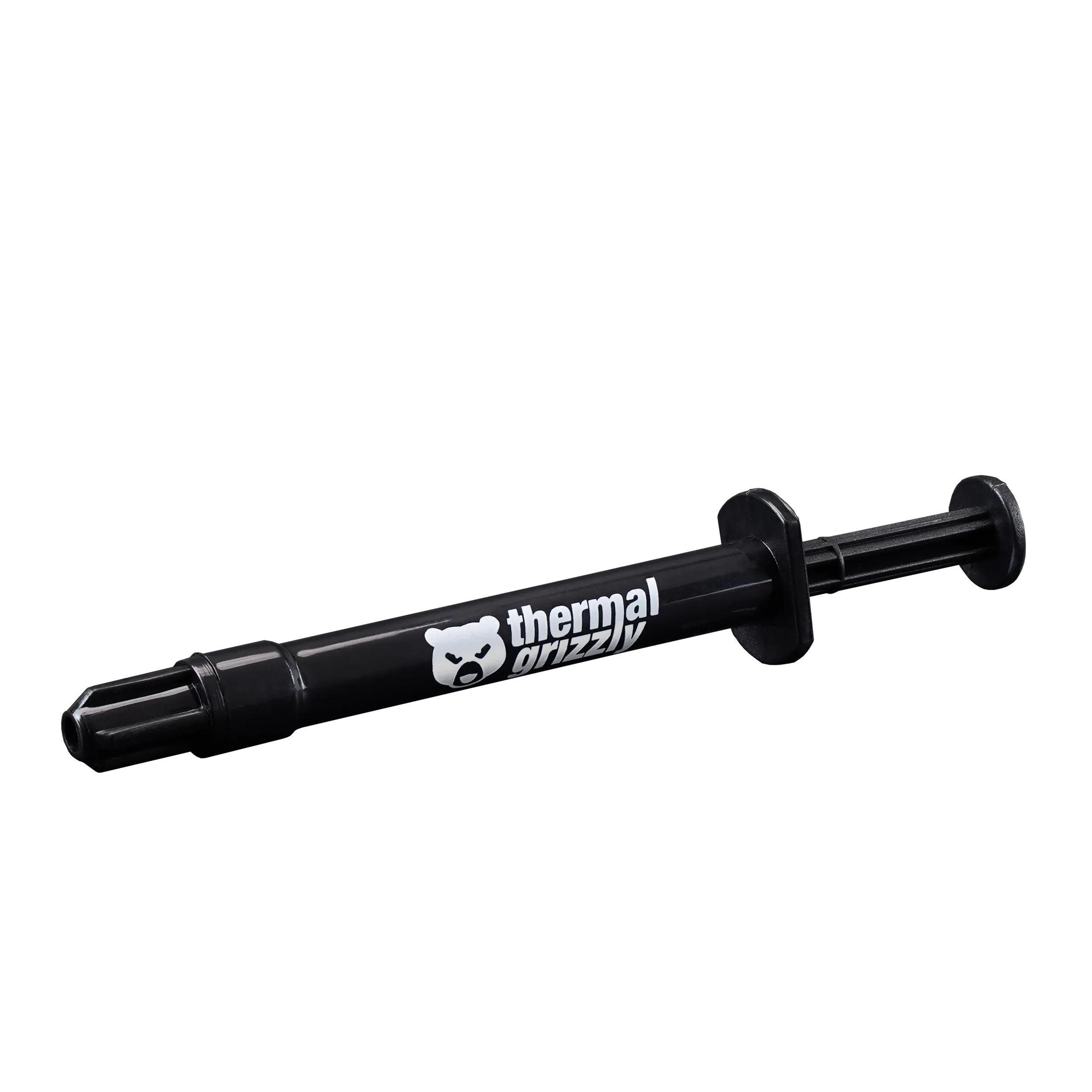
Thermal Grizzly Kryonaut Extreme thermal paste
Thermal Grizzly
Buy — Engineered specifically to resist pump-out above 80°C, the exact failure point owners report on standard paste in this chassis.
The direct fix for this chassis’s documented thermal-paste failure pattern, formulated to resist pump-out at the sustained 80°C+ temperatures the AN515-57 runs at under load.Available at Amazon(paid link) — opens Amazon in a new tab. Price and availability shown there.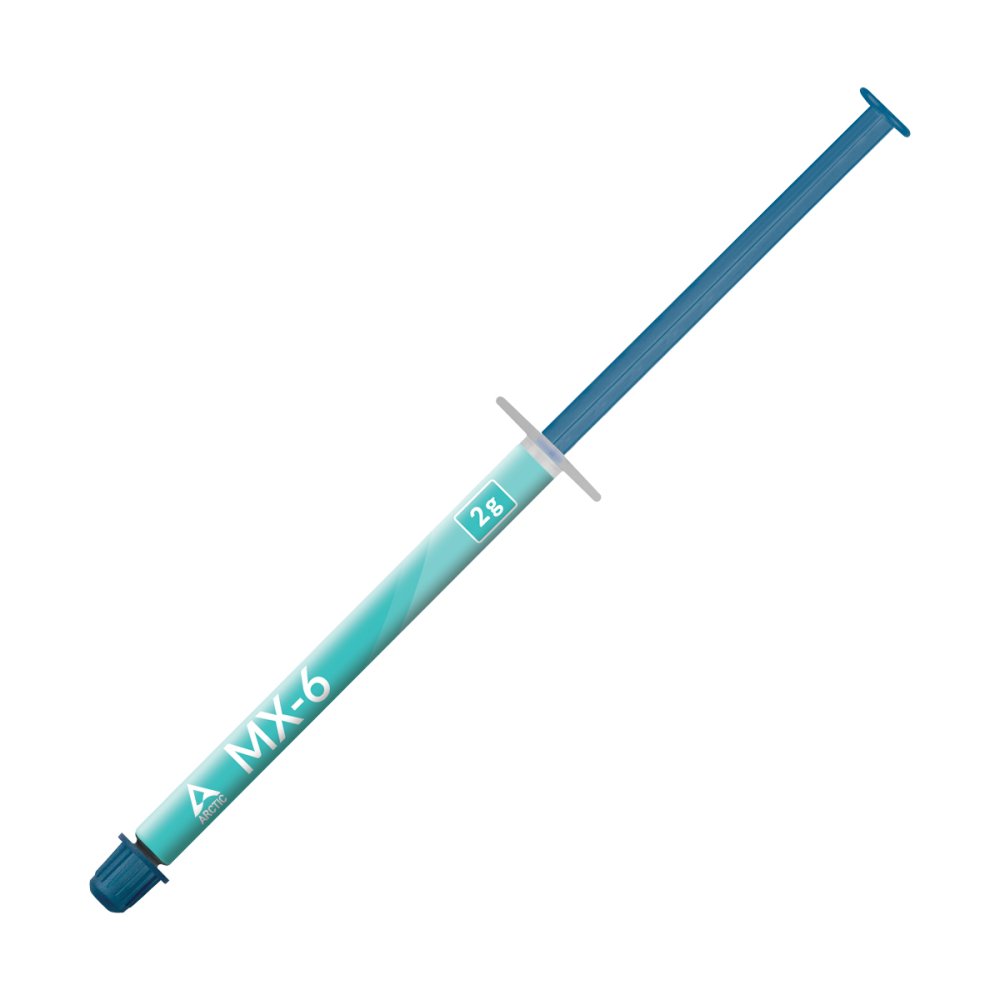
Arctic MX-6 thermal paste
Arctic
Consider — Fine for light thermal drift, but not rated for the sustained 90°C+ cycling this chassis produces on long gaming sessions.
A cheaper option for a routine repaste if your stress test only showed a mild temperature creep rather than real throttling.Available at Amazon(paid link) — opens Amazon in a new tab. Price and availability shown there.
Thermal Grizzly Kryonaut thermal paste
Thermal Grizzly
Skip — Reported to dry out and pump out within weeks under this chassis's sustained load, which is the specific problem the Extreme formula was built to fix.
The standard formula that owners troubleshooting this exact chassis report drying out and pumping out within weeks under sustained heat.Available at Amazon(paid link) — opens Amazon in a new tab. Price and availability shown there.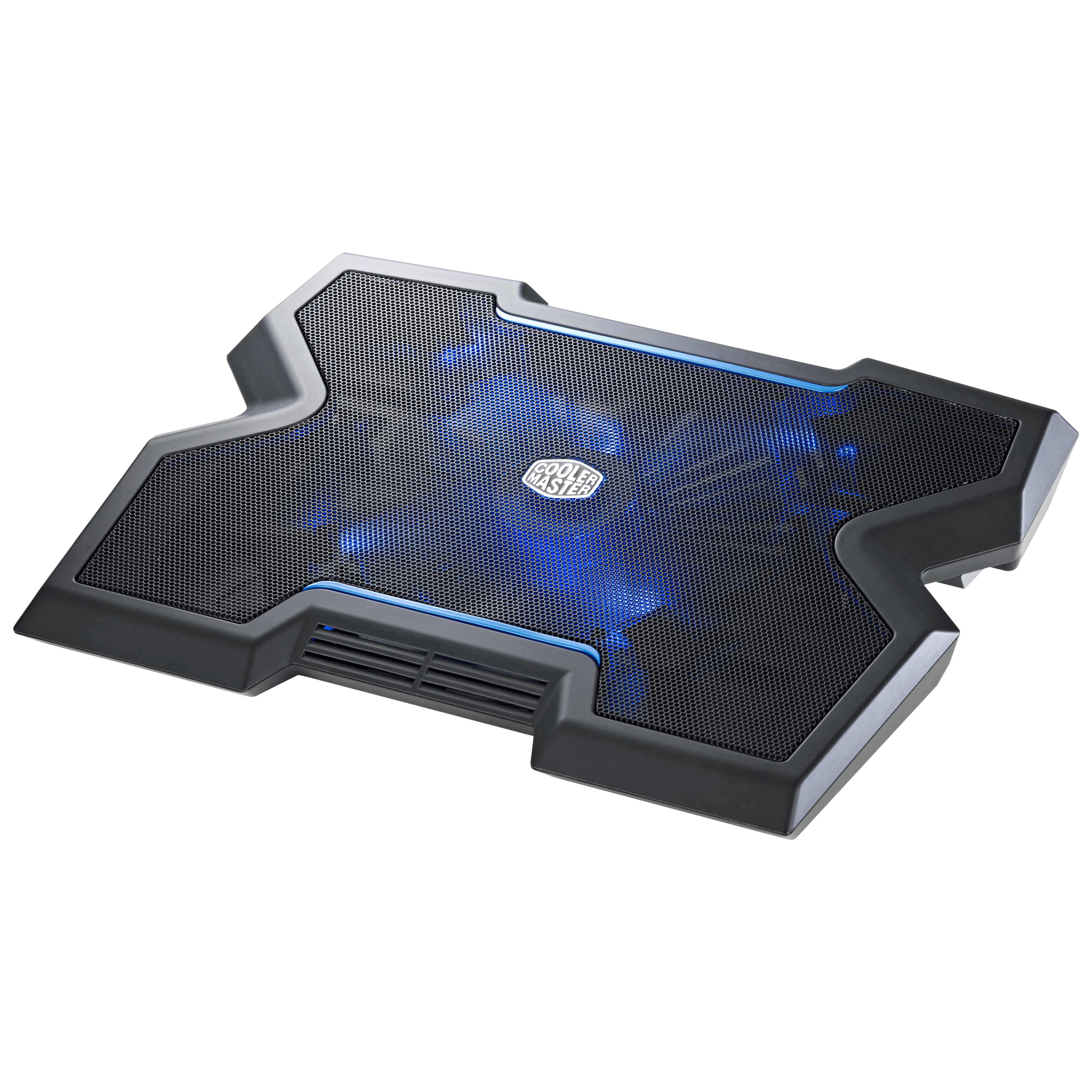
Cooler Master NotePal X3 laptop cooling pad
Cooler Master
Consider — Helps isolate airflow-limited heat from worn paste or a bad fan bearing, but won't fix either problem on its own.
Useful during the inspection itself to tell whether a hot-running unit has an airflow problem or a genuine hardware fault, before you commit to opening the chassis.Available at Amazon(paid link) — opens Amazon in a new tab. Price and availability shown there.
Sources
Pages consulted while researching this article. None of these are affiliate links.
- Acer Nitro AN515-57 Drivers & BIOS Downloads — Acer Support — acer.com
- Acer Nitro 5 AN515-57 — Cleaning and Changing Thermal Paste — koolingmonster.com
- Acer Nitro AN515-57 CPU reaching 95C while gaming, normal or no? — Acer Community — community.acer.com
- Acer Nitro 5 AN515-57 CPU starts running at .18 GHz when playing games for 15-20 minutes — Acer Community — community.acer.com
- Acer Nitro 5 AN515-57 Won't Charge (or) Turn On After Low Battery — Acer Community — community.acer.com
- Acer Nitro 5 AN515-57 Bricked after messing with BIOS — Acer Community — community.acer.com
- AN515-57 coil whine sound — Acer Community — community.acer.com
- GPU problem on Nitro 5 AN515-57 — Acer Community — community.acer.com