Dyson V15 Trigger Blisters: The Fix That Actually Works
The questionWhere do these come from?
Blister from v15
Is anyone else getting a blister on the top of their hand in thumb area from holding the V15? It had just healed from last week’s deep clean, when I did a deep clean.
A trigger lock clip stops the Dyson V15's constant squeeze that blisters your palm; pairing it with padding fixes the rubbing a lock alone won't.
A clip-on trigger lock is the direct fix: it holds the Dyson V15’s spring-loaded trigger down for you, so you stop squeezing continuously for the length of a clean. That removes the muscular load causing the pain, but it only solves half the problem — the blister also comes from rubbing, which the lock doesn’t touch. Fixing both is what actually stops it from coming back.
What’s Actually Pressing on Your Hand
The V15 has no built-in lock switch in any suction mode — Eco, Auto, or Boost all require you to keep the trigger depressed the entire time you’re cleaning. TechGearLab’s testers confirmed this directly in their review: “the trigger must be held for the entirety of the clean, which left our hands fatigued during longer cleans,” and noted feeling it “in our forearms” after cleaning a whole house with the 4.5-lb handheld unit.
The specific mechanism behind a blister, rather than generic fatigue, comes down to where the machine’s weight lands. Techlicious’s reviewer described it precisely: “lengthy vacuuming sessions can be rough on the top area at the base of your thumb, which gets pressed against the inside of the motor assembly while you’re holding the trigger,” adding that “a few minutes of usage left a red indent” at that spot — enough that the reviewer started wearing a glove for longer sessions. During a deep clean, where you’re holding the wand at odd angles for stairs, upholstery, and baseboards for 20 to 60 minutes straight, that same patch of skin takes sustained pressure and rubbing at once. That combination — pressure plus friction — is exactly what the Cleveland Clinic identifies as the mechanism behind a friction blister, and its stated countermeasures are the two you’d expect: reduce the pressure, and pad or glove the friction point.
Add a Trigger Lock to Kill the Squeeze
Third-party trigger locks — small clips sold for the V6 through V15 that snap onto the trigger guard and hold it in the “on” position — exist because Dyson never added a lock switch to this generation. They remove the continuous finger-and-palm squeeze entirely: you press the lock in once, and the machine keeps running without you maintaining pressure, so the pad of your hand isn’t being driven into the motor housing for the whole session.
Not all of them mount the same way. A comparison of Dyson V15 trigger replacements from dfixing.com found that push-pull designs with a 3M-backed clamp sit more securely on the trigger guard than simple slide-on clips, which it described as less intuitive to seat. That distinction matters more than it sounds during a deep clean specifically — that’s when you’re working the wand hardest, at the angles most likely to jar a loosely-seated clip out of position, right when you need it holding steady.
Just want the recommendation?
Skip to the picksPad the Contact Point So It Stops Rubbing
A lock stops the squeeze; it does nothing about the rubbing, and the Cleveland Clinic’s guidance on friction blisters treats that as a separate cause requiring its own fix — wearing gloves or padding at the point of repeated contact. A padded-palm work or gardening glove sits between the motor housing and the base of your thumb, which is the same fix the Techlicious reviewer landed on independently when the trigger left a red indent after a few minutes of use.
The catch is breathability. A thick or non-breathable palm pad traps sweat inside the glove over an hour-long deep clean, and damp skin is more prone to blistering under friction, not less. A lightweight, ventilated glove with a padded palm works better here than a heavy work glove built for impact protection.
Grip and Break Habits That Cost Nothing
Two changes need nothing bought at all. First, alternate which hand carries the trigger every 15 to 20 minutes — TechGearLab’s testers reported forearm fatigue building up well before a full deep clean was done, so switching sides before that point keeps the same spot from taking sustained pressure twice as long as it needs to. Second, hold the grip slightly lower, below the ridge where the motor housing meets the handle, rather than high up against it; that shifts contact away from the exact spot both reviewers identified as the pressure point.
Only Worth a New Vacuum If You’re Already Replacing One
Dyson’s own newer flagship, the Gen5detect, addresses this by removing the trigger altogether. Comparisons of the two machines list “power button (no trigger required)” as a Gen5detect advantage directly against “trigger can be tiring to use” as a V15 drawback — it’s a locking push-button instead of a spring trigger, so there’s no equivalent pressure point at all. That’s a real fix, but not a proportionate one: it’s a different several-hundred-dollar vacuum, not an accessory for the one you already own. It only makes sense if you’re already in the market for a new cordless vacuum for other reasons — battery life, bin capacity, or the cleaner heads — and the trigger is one more factor tipping the decision. If you’re instead comparing what to upgrade to from an older cordless Dyson, V10 Animal Owner? V15 vs V10 Konical covers that specific decision.
| Buy / Skip | The thing that decides it | The catch | |
|---|---|---|---|
| Trigger lock clip (V7–V15 compatible) | Buy | Removes the continuous squeeze that drives the motor housing into your palm | Doesn’t stop the rubbing — pair it with padding if skin is already broken |
| Padded anti-vibration glove | Consider | Cushions and reduces friction at the exact contact point | Non-breathable padding traps sweat, which raises friction over a long session |
| Dyson Gen5detect | Consider | Replaces the trigger with a locking push-button, removing the pressure point entirely | Only sensible if you’re already replacing the vacuum, not fixing the one you own |
If the skin is already broken, treat it like any other friction blister first — the Cleveland Clinic’s guidance is to keep it covered and let it close before you’re back to gripping the same spot under load. None of the fixes above matter until that heals, because a lock and a glove reduce future pressure and friction; they don’t do anything for skin that’s already open.
The bottom line
Either works — what you already have picks one:
Top pick
Buy this
Trigger Lock Clip for Dyson V7 V8 V10 V11 V15 Cordless Vacuum
Trigger Lock
It removes the continuous squeeze that drives the top of the motor housing into the same spot on your palm for the whole session, which is the load the blister is actually forming under.
A small clamp that holds the V15’s spring trigger in the on position, so you stop squeezing continuously for the length of a deep clean. This is the direct fix for the pressure half of the problem, though it does nothing about rubbing.Available at Amazon(paid link) — opens Amazon in a new tab. Price and availability shown there.The alternative
It depends
Padded Anti-Vibration Work Gloves
Padded Anti-Vibration
Effective for friction, but a non-breathable palm pad traps sweat over a long deep clean, and damp skin blisters more easily under pressure, not less.
A complement to the trigger lock, not a replacement for it: padding at the palm cushions the exact spot the motor housing presses against, addressing the rubbing side of blister formation that a lock alone doesn’t touch.Available at Amazon(paid link) — opens Amazon in a new tab. Price and availability shown there.
Recommended products
Ordered by how well each one fits the situations above. Each link below is a paid link.
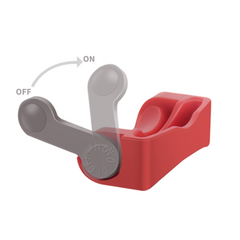
Trigger Lock Clip for Dyson V7 V8 V10 V11 V15 Cordless Vacuum
Trigger Lock
Buy — It removes the continuous squeeze that drives the top of the motor housing into the same spot on your palm for the whole session, which is the load the blister is actually forming under.
A small clamp that holds the V15’s spring trigger in the on position, so you stop squeezing continuously for the length of a deep clean. This is the direct fix for the pressure half of the problem, though it does nothing about rubbing.Available at Amazon(paid link) — opens Amazon in a new tab. Price and availability shown there.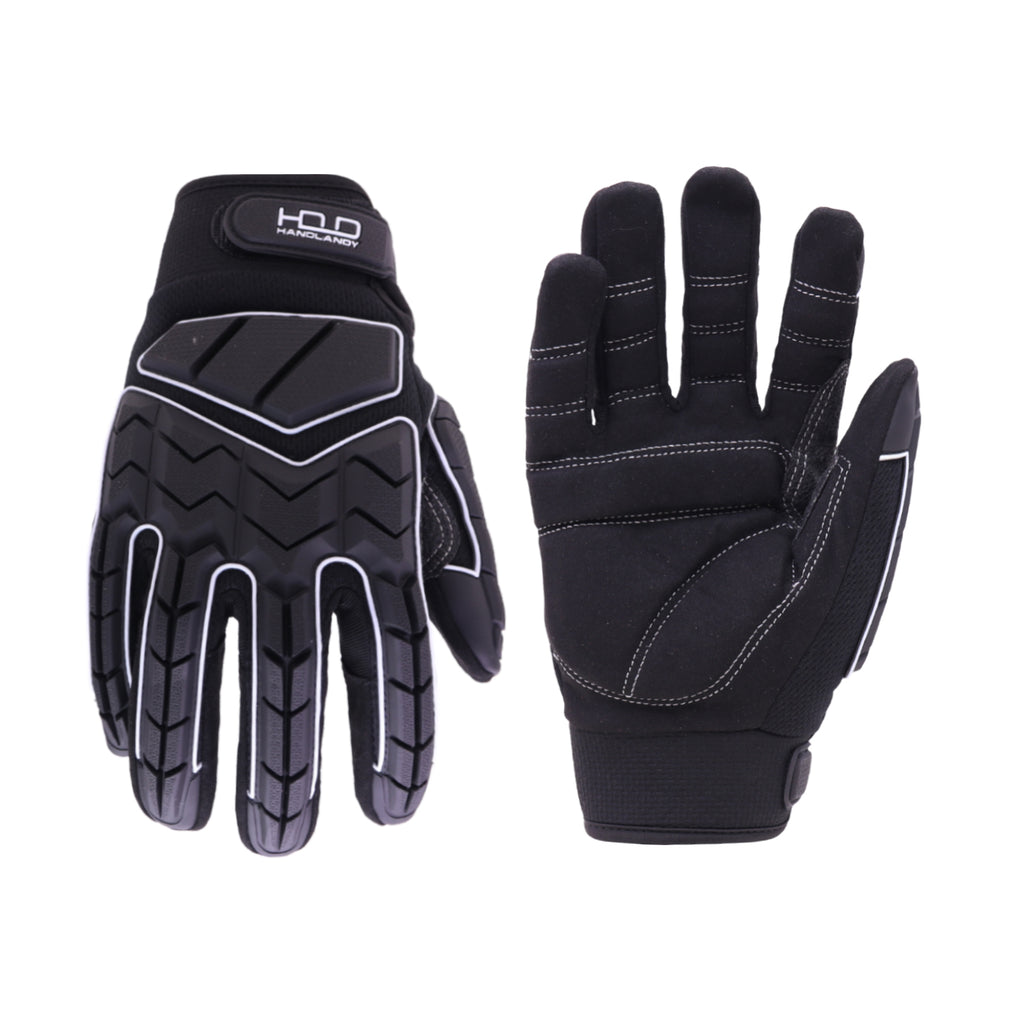
Padded Anti-Vibration Work Gloves
Padded Anti-Vibration
It depends — Effective for friction, but a non-breathable palm pad traps sweat over a long deep clean, and damp skin blisters more easily under pressure, not less.
A complement to the trigger lock, not a replacement for it: padding at the palm cushions the exact spot the motor housing presses against, addressing the rubbing side of blister formation that a lock alone doesn’t touch.Available at Amazon(paid link) — opens Amazon in a new tab. Price and availability shown there.
Sources
Pages consulted while researching this article. None of these are affiliate links.
- Review of the Dyson V15 Detect Stick Vac - Techlicious — techlicious.com
- Dyson V15 Detect Review | Tested & Rated - TechGearLab — techgearlab.com
- Blisters: Causes, Treatment, Prevention - Cleveland Clinic — my.clevelandclinic.org
- Dyson Gen5 Detect vs V15 Detect: Tested Side-by-Side — bestcordlessvacuumguide.com
- 8 Best Dyson V15 Trigger Replacements to Buy in 2026 — dfixing.com