Apple Watch for Health Anxiety
The questionWhere do these come from?
Smart ring/apple watch 11 or whoop?
Choose Apple Watch Series 11 first for heart alerts and Apple Health context; add a ring only if sleep comfort matters more.
Buy the Apple Watch Series 11 first if you use an iPhone and your worry is cardiovascular signals. Do not start with a ring-plus-Whoop stack unless you already know you will wear multiple devices and ignore duplicate, conflicting scores.
Why the watch is the cleanest starting point
The reason is simple: your main problem is not just “tracking.” It is knowing which signals deserve attention without feeding anxiety every morning. For that, a normal Apple Watch is the least messy starting point because it gives you the heart features that matter most in daily life: high and low heart rate notifications, irregular rhythm notifications suggestive of AFib, on-demand ECG, low cardio fitness notifications, sleep apnea notifications where available, sleep score, and Apple’s newer hypertension notifications that look for signs over time. It also puts the data in Apple Health, which is the place your future devices, lab apps, doctor exports, and third-party apps are most likely to touch if you are on iPhone.
A smart ring is better at disappearing. That is its main win. Oura Ring 4 is comfortable for sleep, has strong sleep and readiness presentation, tracks resting heart rate, HRV, respiration, temperature trends, blood oxygen during sleep, stress, cardiovascular age-style long-term metrics, and does not put another screen on your wrist. If your real complaint is “I hate sleeping with a watch,” Oura makes sense. But a ring is not the same kind of cardiovascular alert device as an Apple Watch. It is a trend tracker, not the right first pick if you are worried about heart rhythm events or want a fast ECG-style check when something feels off.
Whoop is the tempting one because it talks in the exact language you are probably looking for: recovery, strain, stress, sleep, health monitor, HRV, resting heart rate, respiratory rate. WHOOP 5.0 and WHOOP MG are genuinely strong if you want coaching around long-term behavior. WHOOP MG also adds more heart-focused features, including ECG and blood pressure insights in the higher membership tier. But Whoop is also the easiest option to over-read. A bad recovery score can make an anxious person feel sick before they have even stood up. Its wrist-based workout heart rate is not always as clean as Apple Watch in hard intervals, and you cannot glance at a screen for normal smartwatch things because there is no screen. You live in the app.
| Option | Main role in the article | Heart-focused features named | Main caveat named |
|---|---|---|---|
| Apple Watch Series 11 | Cardiovascular reassurance and everyday health platform | Heart notifications, Irregular Rhythm Notifications, ECG, sleep apnea notifications, hypertension notifications | Daily-charge device in normal use |
| Oura Ring 4 | Comfortable sleep and passive recovery trends | Resting heart rate, HRV, respiration, temperature trends, blood oxygen during sleep | Not the same kind of cardiovascular alert device as an Apple Watch |
| WHOOP MG | Behavior coaching plus higher-end heart features | ECG and blood pressure insights | Tier- and region-dependent features |
| WHOOP 5.0 | Screenless recovery habit | HRV, resting heart rate, respiratory rate | No screen; you live in the app |
When to separate reassurance from recovery
Separate the decision into two jobs.
For cardiovascular reassurance, choose a watch. Specifically, choose Apple Watch Series 11 if you are staying on iPhone. Wear it consistently, set up Heart notifications, Irregular Rhythm Notifications, ECG, sleep tracking, Sleep Focus, and hypertension notifications if your age and region support them. Then leave the thresholds alone unless a clinician tells you otherwise. The watch is not a doctor, but it gives you the most practical consumer wearable set for “tell me when something is worth checking.”
For recovery trend tracking, choose one passive source and commit to it for at least a month. Recovery scores are baseline tools. They are not universal truth. Your HRV on Oura, Whoop, Garmin, and Apple will not always match because each uses different sampling, algorithms, sleep detection, and scoring. If you buy three devices, you will not get three times the clarity. You will get three opinions, and one of them will be red on a day you feel fine.
Just want the recommendation?
Skip to the picksIf you already own an Apple Watch
If you already own a recent Apple Watch, you probably do not need Apple Watch 11 just to get “better recovery.” You may get enough by using what you have better: sleep with it, charge during shower/desk time, turn off junk notifications, use Apple Health trends, and add an app such as Athlytic, Training Today, Gentler Streak, or Bevel if you want a recovery-style layer on top of Apple’s data. Replace the watch only if your current model lacks the heart features you care about, battery life is making you skip nights, or you want the newer display/durability and health notification set.
If you are buying your first watch
If you do not own a watch now, Apple Watch Series 11 is the clean first purchase. The bad part is battery. It is still a daily-charge device in normal use. Yes, the Series 11 is better than older mainline Apple Watches, and real reviews found it can handle a day plus sleep tracking, but it is not a two-week wearable. If charging makes you stop wearing things, this matters. You need a routine: charge it while showering, while reading at night, or while sitting at a desk. If you miss sleep tracking twice a week, your recovery trends become less useful.
If comfort or coaching is the real gap
If you are considering a ring because you want to wear your normal watch, lift weights, or sleep without a wrist device, Oura Ring 4 is the ring to trust before cheaper ring experiments. The bad parts are sizing, lifting, and subscription. Rings are annoying for barbell work, kettlebells, pull-ups, and anything where metal on your finger is a safety or comfort issue. You may need to take it off during training, which makes it worse as an all-day activity tracker. It is also not ideal if your fingers swell a lot overnight or seasonally. Use the sizing kit. Do not guess your size from a jewelry ring.
If you want Whoop, choose it for behavior coaching, not because it will calm heart anxiety. WHOOP 5.0 is good for a screenless recovery habit: sleep debt, strain, HRV, resting heart rate, stress, and training load in one app. WHOOP MG is the more relevant version if you specifically want ECG and blood-pressure trend features, but those features are tier- and region-dependent, and blood pressure insights are wellness estimates rather than a medical cuff replacement. You should still own a real upper-arm blood pressure cuff if blood pressure is part of the anxiety.
The stack to use only after a month
The stack worth using is boring: Apple Watch Series 11 alone for the first month. Turn off most notifications. Keep heart, safety, workout, sleep, and medication reminders if relevant. Sleep with it. Log symptoms if they happen. Look at weekly trends, not every bad morning. If after a month the only failure is sleep comfort or battery, add Oura Ring 4 for nights and long-term readiness while keeping Apple Watch for heart alerts, workouts, ECG, and day use.
Skip wearing Apple Watch plus Whoop plus Oura unless you are doing a quantified-self experiment and already know how to ignore noise. For a person anxious about cardiovascular and recovery signals, too many dashboards can become the problem.
So the recommendation order is: Apple Watch Series 11 first for an iPhone user who wants health alerts and a reliable everyday health platform; Oura Ring 4 if the missing piece is comfortable sleep and passive recovery trends; WHOOP MG if you specifically want Whoop’s coaching plus its higher-end heart features and accept the subscription model; WHOOP 5.0 only if recovery coaching matters more than ECG-style reassurance.
The bottom line
Both are defensible — the split is what you do with it:
Top pick
Buy this
Apple Watch Series 11 [GPS 46mm] Smartwatch with Jet Black Aluminum Case with Black Sport Band - M/L. Sleep Score, Fitness Tracker, Health Monitoring, Always-On Display, Water Resistant
Apple
The article recommends it first for iPhone users seeking cardiovascular reassurance because it provides heart notifications and on-demand ECG, with daily charging as the tradeoff.
Best first choice if you use an iPhone and want cardiovascular notifications, ECG, sleep tracking, and Apple Health integration in one device. The tradeoff is daily charging.Available at Amazon(paid link) — opens Amazon in a new tab. Price and availability shown there.The alternative
It depends
WHOOP Life - 12 Month Membership-24/7 Activity and Sleep Tracker, Personalized Coaching, Menstrual Cycle Insights- 14+ Day Battery Life
WHOOP
Choose it specifically for Whoop coaching plus ECG and blood pressure insights, accepting the subscription and tier- and region-dependent features.
Best for someone who specifically wants Whoop’s recovery coaching plus the higher-end heart features such as ECG and blood pressure insights. Choose it only if you are comfortable living in the app and paying for the membership.Available at Amazon(paid link) — opens Amazon in a new tab. Price and availability shown there.
Recommended products
Ordered by how well each one fits the situations above. Each link below is a paid link.
Apple Watch Series 11 [GPS 46mm] Smartwatch with Jet Black Aluminum Case with Black Sport Band - M/L. Sleep Score, Fitness Tracker, Health Monitoring, Always-On Display, Water Resistant
Apple
Buy — The article recommends it first for iPhone users seeking cardiovascular reassurance because it provides heart notifications and on-demand ECG, with daily charging as the tradeoff.
Best first choice if you use an iPhone and want cardiovascular notifications, ECG, sleep tracking, and Apple Health integration in one device. The tradeoff is daily charging.Available at Amazon(paid link) — opens Amazon in a new tab. Price and availability shown there.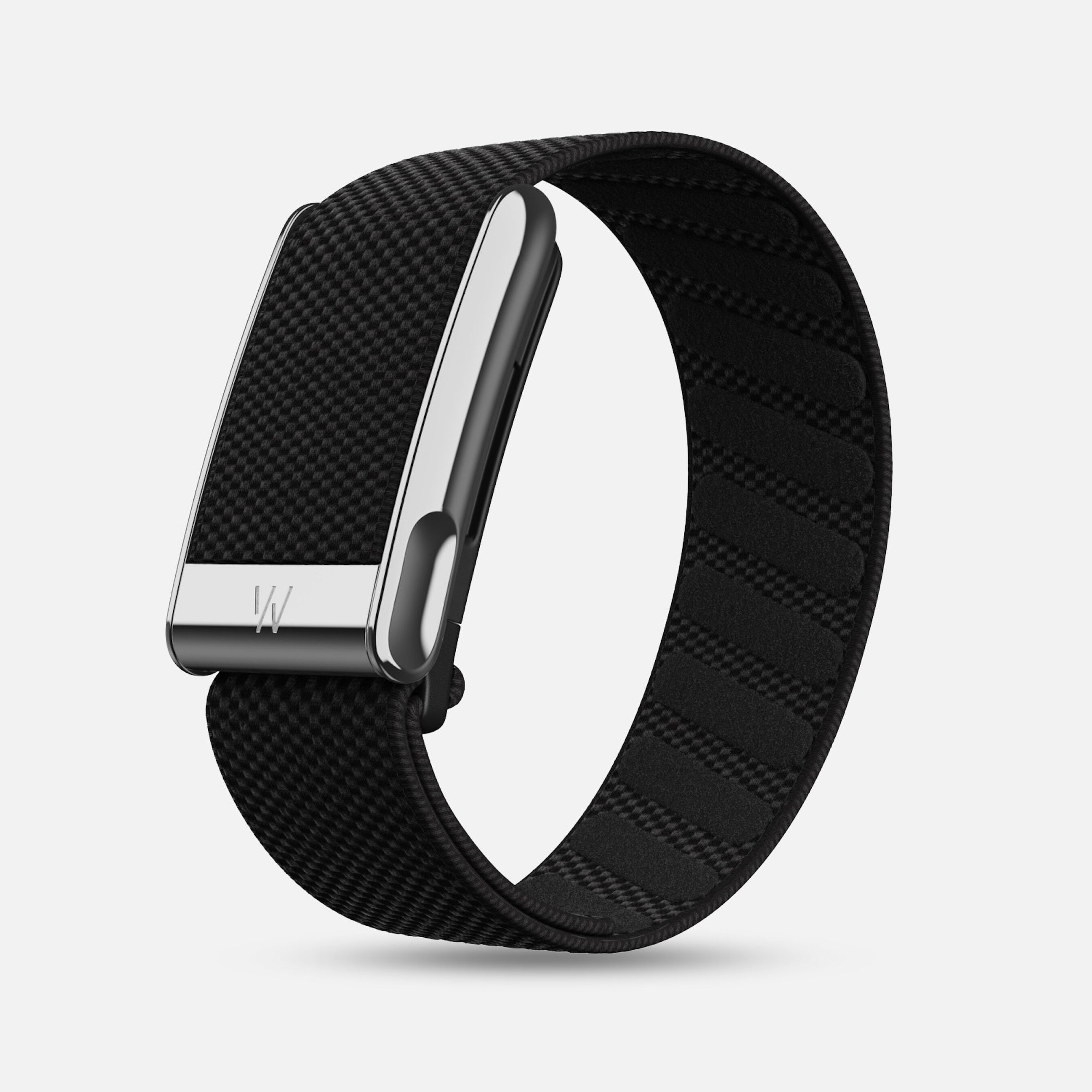
WHOOP Life - 12 Month Membership-24/7 Activity and Sleep Tracker, Personalized Coaching, Menstrual Cycle Insights- 14+ Day Battery Life
WHOOP
It depends — Choose it specifically for Whoop coaching plus ECG and blood pressure insights, accepting the subscription and tier- and region-dependent features.
Best for someone who specifically wants Whoop’s recovery coaching plus the higher-end heart features such as ECG and blood pressure insights. Choose it only if you are comfortable living in the app and paying for the membership.Available at Amazon(paid link) — opens Amazon in a new tab. Price and availability shown there.
WHOOP Peak - 12 Month Membership -24/7 Activity and Sleep Tracker, Personalized Coaching, Menstrual Cycle Insights - 14+ Days Battery Life
WHOOP
It depends — Choose it only when recovery coaching matters more than ECG-style reassurance, with no screen and tracking accessed through the app.
A good screenless recovery tracker if strain, sleep debt, HRV, and coaching are the main goal. It is not the first pick for anxiety-driven cardiovascular reassurance.Available at Amazon(paid link) — opens Amazon in a new tab. Price and availability shown there.
![Apple Watch Series 11 [GPS 46mm] Smartwatch with Jet Black Aluminum Case with Black Sport Band - M/L. Sleep Score, Fitness Tracker, Health Monitoring, Always-On Display, Water Resistant product image](https://store.storeimages.cdn-apple.com/1/as-images.apple.com/is/s11-case-connectivity-select-202509-aluminum-jet-black-46mm-gps?wid=5120&hei=3280&fmt=p-jpg&qlt=80&.v=cEJSOWNpWXZVU1A4T2tUSUREZzE1aFJpUHQ0Y3cxeE9PdlBuaEtTZ1JqckdzMnJyMkhvc3pHT3FWSWI1V2hZT3BQL1pYdHB0WnBvV1kwdTgyaFltNHhIdUFTbXNvcW5NTGxOeDdEZ1ZpT01tUnpENUIyWHRhTlhpRFMzSXBkU2Mya3N4Q2J2WmZ4ZW81QmdFMTF3ZmZnRSswdUZydnlDRGw2dVBTOUNZSjFB)
Sources
Pages consulted while researching this article. None of these are affiliate links.
- Why Apple Watch - Apple Watch Series 11 — apple.com (accessed 2026-08-09)
- Heart health notifications on your Apple Watch — support.apple.com (accessed 2026-08-09)
- Apple Watch Series 11 review: The unshakeable formula — wareable.com (accessed 2026-08-09)
- Oura Ring 4 — support.ouraring.com (accessed 2026-08-09)
- Oura Ring 4 review: a future-proof smart ring with a subscription attached — techradar.com (accessed 2026-08-09)
- WHOOP Unveils WHOOP 5.0 and WHOOP MG — whoop.com (accessed 2026-08-09)
- ECG: Data Accuracy & Best Practices — support.whoop.com (accessed 2026-08-09)
- WHOOP Life: Blood Pressure Insights — support.whoop.com (accessed 2026-08-09)
- Whoop 5.0 review: A bold leap into longevity with familiar drawbacks — wareable.com (accessed 2026-08-09)