How to Warm Up a Cold Tiled Apartment, Step by Step
The questionWhere do these come from?
Need help warming up a cold, tiled apartment!!!
Warm a tiled apartment with a large warm rug, full-height curtains, warm white lighting, wood, linen, olive, rust, and natural textures.
Warming up a tiled apartment is a sequence, not a shopping list: rug, rug pad, curtains, lighting, then art, handled in that order. The floor is the biggest cold surface, so start there — the room already feels different once the first three steps are done, before any accessories get added.
Step 1: Cover the floor with a large, warm-toned rug
Tile is cold in three ways at once: visually, physically, and acoustically. It reflects light, makes furniture look like it is floating, and gives every chair scrape and footstep a harder edge. In a large apartment, the usual mistake is buying a rug that is too small — it chops the room up and still leaves too much tile exposed.
Size it by the furniture: aim for an 8 x 10 rug unless the room is genuinely narrow, or 9 x 12 if the sofa, chairs, and coffee table are spread out. At minimum, the front legs of the sofa and any lounge chairs need to sit on the rug. If only the coffee table fits on it, the rug is too small for the job.
Color rules matter as much as size. Avoid a gray rug, a high-contrast black-and-white rug, and most cool blue rugs — they underline exactly what is bothering you about the room. Look for a faded traditional rug in olive, clay, rust, tan, ivory, or muted charcoal. A little charcoal is fine, since it relates to concrete, but the rug also needs muddy greens, browns, or terracotta so the floor stops reading as icy. A distressed pattern hides tile-grid severity better than a solid one.
If jute appeals, use it carefully: it gives instant natural warmth but can be scratchy underfoot, sheds, and does not love spills, and on tile it still needs a pad or it feels like a mat instead of a room anchor. Keep jute to an entry, under a dining table, or layered under a softer rug; for the main seating area, a low-pile patterned rug is the safer first move.
For the rug itself, the Loloi Layla in Olive/Charcoal sets the right palette without turning orange or beige. It is thin and printed-looking up close, so it is not the luxury choice, but it gives the old-rug color story that works against both tile and concrete.
Step 2: Add a rug pad underneath
This is not optional on tile. A low-pile polyester rug can look good and clean easily, but without a dense felt-and-rubber pad underneath, it will feel skimpy on a hard floor. The pad adds cushion, keeps the rug from skating across the tile, quiets the room, and makes the rug look more expensive because the edges lie flatter. Cut it about 1 to 2 inches smaller than the rug on every side so the edge tapers down instead of becoming a trip lip.
The Mohawk dual-surface pad works here because tile needs both grip and cushion. Skipping the pad usually gets blamed on the rug feeling cheap, when the real problem is that it is sitting directly on hard flooring.
Just want the recommendation?
Skip to the picksStep 3: Hang curtains high, wide, and warm-toned
Bare windows make a room with cold walls and hard floors feel unfinished. Choose curtains in ivory, oatmeal, flax, or a very soft warm white — not stark white, which will only underline how cold the walls already feel. Hang the rod several inches above the window and several inches past each side, so the fabric frames the window instead of covering the glass, and let the panels kiss the floor or hover just above it. Short curtains make the apartment feel more temporary, not less.
Concrete walls complicate the hanging step. If you own the place or have permission, use proper masonry anchors and a rod rated for the fabric’s weight. If you rent and cannot drill into concrete, do not gamble with heavy rods and adhesive hooks — use what the apartment already gives you instead: existing holes, a ceiling track if one is present, a tension rod only where it can be safely compressed inside a casing, or skip curtains on that wall and put the softness elsewhere.
For the panels themselves, natural linen-look fabric works better here than bright white blackout unless real darkness is needed. Semi-sheer linen softens the room during the day, but it will not give full privacy at night once the lights are on, unless it is layered or lined.
Step 4: Layer in warm lighting
Cold overhead light on tile is brutal, so aim for at least three low-to-mid-height sources in the main area: a floor lamp near the sofa, a table or desk lamp, and one smaller lamp on a shelf or console. Use warm white bulbs in the evening. If the space doubles as a work-from-home setup, a tunable bulb is useful because it can run a cleaner white during work hours and drop to a warmer setting at night — the tradeoff is that it costs more, depends on an app or ecosystem, and can be irritating if housemates keep using the wall switch like a normal switch.
If lamps are already in place, a tunable warm-to-cool bulb is the simplest upgrade. If a lamp is still needed, choose an adjustable reading lamp with some visual weight rather than a spindly chrome torchère.
Step 5: Add fewer, larger pieces of art
A cluster of tiny frames with lots of white matting tends to make a cold apartment with rigid lines look worse, not better. Go bigger and fewer instead: one large textile piece, one oversized framed print with ochre, olive, or clay in it, or a pair of large wood frames. If drilling is not allowed, lean a large framed piece on a console, a dresser, or directly on the floor behind a chair.
Picture-hanging strips can work for lighter frames on smooth painted drywall, when installed exactly as directed — but they are not the right answer for raw concrete, textured walls, wallpaper, fresh paint, or heavy glass frames. On a concrete wall, lean the art instead, or use proper masonry anchors with permission.
Step 6: Stop, reassess, then fill only what is missing
Once the rug, pad, curtains, lighting, and art are in place, the coldest surfaces in the room have already been handled, and it is worth stopping to look before adding anything else. Keep the palette tight from here: warm white or oatmeal as the fabric base, walnut or medium oak as the wood tone, olive as the main color, clay or rust as the warm accent, and matte black in small doses for contrast. Concrete does not need to be fought — it just needs warmer neighbors. A black metal lamp, a walnut coffee table, an olive rug pattern, flax curtains, and one terracotta object read as intentional next to concrete; a random peach pillow and a gray rug do not. The same logic applies when trying to make inherited furniture look intentional in a 70s rental: the surrounding finishes have to do some of the work.
From here, add only what fills a real gap: a wood side table if everything else is metal, a woven basket if storage is short, a plant if the light supports it, or one rust or olive pillow if the sofa still needs a visual link to the rug.
The bottom line
Both work; your situation picks one:
Top pick
Buy this
Loloi II Layla LAY-03 Olive Charcoal Area Rug
Loloi
The Olive/Charcoal rug supplies the warm palette recommended for tile and concrete, with its thin construction addressed by the next step’s rug pad.
Best first move for your apartment because the muted olive, tan, charcoal, and worn traditional pattern warm up tile without fighting concrete walls. It is low pile and thin, so it needs a pad to feel finished.Available at Amazon(paid link) — opens Amazon in a new tab. Price and availability shown there.The alternative
Buy this
Mohawk Home Non Slip Rug Pad 8' x 10' - 1/4" Thick Felt + Latex Rubber Gripper - Dual Surface Cushion for Hardwood, Carpet, Tile Floors, Made in USA
Mohawk
The Mohawk dual-surface pad provides both grip and cushion, which the article calls necessary under a thin rug on tile.
This is what makes a thin rug work on tile: grip, cushion, less echo, and flatter edges. Cut it slightly smaller than the rug so it does not show or create a raised border.Available at Amazon(paid link) — opens Amazon in a new tab. Price and availability shown there.
Recommended products
Ordered by how well each one fits the situations above. Each link below is a paid link.
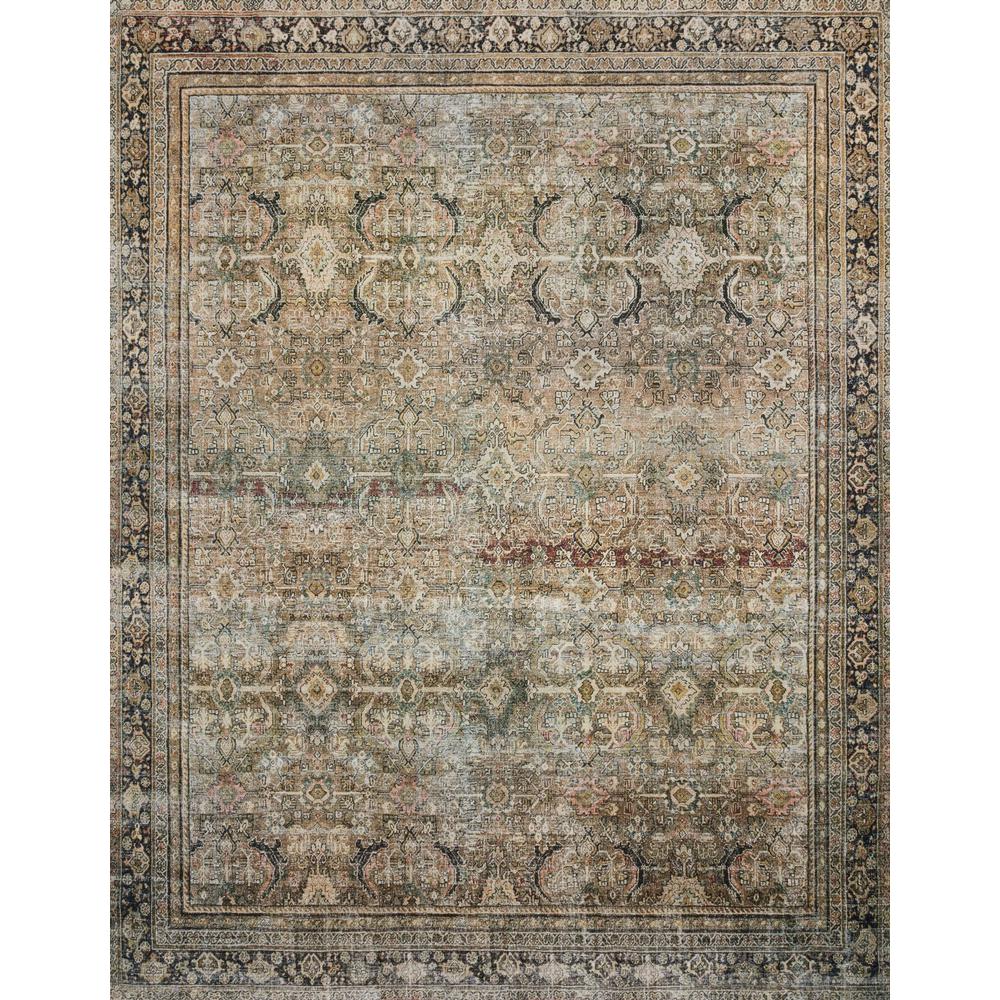
Loloi II Layla LAY-03 Olive Charcoal Area Rug
Loloi
Buy — The Olive/Charcoal rug supplies the warm palette recommended for tile and concrete, with its thin construction addressed by the next step’s rug pad.
Best first move for your apartment because the muted olive, tan, charcoal, and worn traditional pattern warm up tile without fighting concrete walls. It is low pile and thin, so it needs a pad to feel finished.Available at Amazon(paid link) — opens Amazon in a new tab. Price and availability shown there.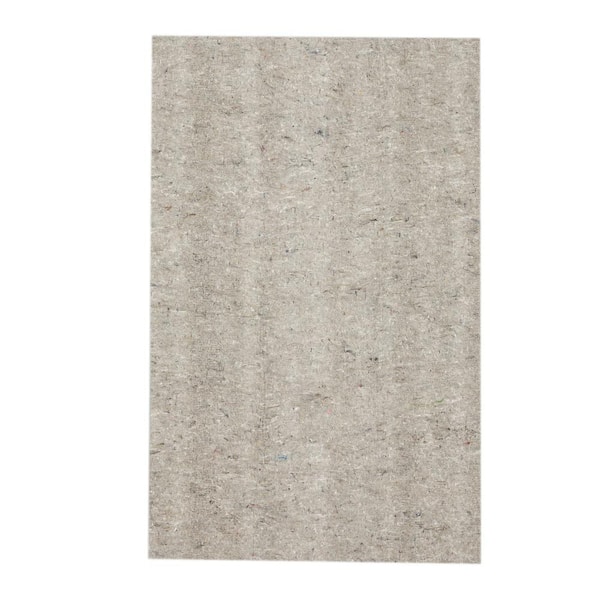
Mohawk Home Non Slip Rug Pad 8' x 10' - 1/4" Thick Felt + Latex Rubber Gripper - Dual Surface Cushion for Hardwood, Carpet, Tile Floors, Made in USA
Mohawk
Buy — The Mohawk dual-surface pad provides both grip and cushion, which the article calls necessary under a thin rug on tile.
This is what makes a thin rug work on tile: grip, cushion, less echo, and flatter edges. Cut it slightly smaller than the rug so it does not show or create a raised border.Available at Amazon(paid link) — opens Amazon in a new tab. Price and availability shown there.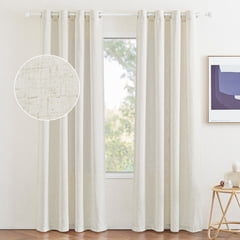
NICETOWN Natural Linen Curtains 84 inch Long 2 Panels Set, Grommet Top Thick Linen Burlap Semi Sheer Vertical Drapes Privacy Assured with Light Filtering for Bedroom/Living Room, W55 x L84
NICETOWN
It depends — Semi-sheer linen curtains soften daylight but need layering or lining for full privacy at night when the lights are on.
A practical warm neutral curtain option when you need softness and daylight rather than a heavy blackout look. Choose natural, beige, flax, or ivory tones instead of stark white.Available at Amazon(paid link) — opens Amazon in a new tab. Price and availability shown there.Philips Hue Smart 60W A19 LED Bulb - White and Color Ambiance Color-Changing Light - 2 Pack - 800LM - E26 - Indoor - Control with Hue App - Works with Alexa, Google Assistant and Apple Homekit
Philips Hue
It depends — Tunable bulbs suit a room used for both work and evenings, but cost more, depend on an app or ecosystem, and can be disrupted by wall-switch use.
Use these in plug-in lamps so the apartment can shift from work light to warm evening light without changing fixtures. The tradeoff is app dependence and a higher cost than basic warm LED bulbs.Available at Amazon(paid link) — opens Amazon in a new tab. Price and availability shown there.
Command 15 lb Large Picture Hanging Strips 14 Pairs (28 Strips), Damage-Free Hanging Picture Hangers, No Tools Wall Hanger for Home Decor, White Adhesive
Command
It depends — Picture-hanging strips work for lighter frames on smooth painted drywall, but the article rules them out for raw concrete, textured walls, wallpaper, fresh paint, and heavy glass frames.
Useful for lightweight framed art on smooth painted drywall, especially in a rental. Do not rely on them for raw concrete, textured walls, heavy glass, humid areas, or freshly painted surfaces.Available at Amazon(paid link) — opens Amazon in a new tab. Price and availability shown there.

Sources
Pages consulted while researching this article. None of these are affiliate links.
- LAY-03 Olive / Charcoal | Loloi Rugs — loloirugs.com (accessed 2026-08-09)
- Frequently Asked Questions About Area Rugs | Mohawk Home — mohawkhome.com (accessed 2026-08-09)
- NICETOWN Linen Curtains for Windows 84 inch Length — nicetownon.com (accessed 2026-08-09)
- Hue White Ambiance 60W A19 E26 Smart Bulbs | Philips Hue — philips-hue.com (accessed 2026-08-09)
- Command Picture Hanging Strips Review: Pros, Cons, and How to Use — prudentreviews.com (accessed 2026-08-09)