How to Decorate With Inherited Furniture (6 Steps)
The questionWhere do these come from?
Have we made a mistake, or on the right path?
Make inherited furniture work by grounding dark floors with a rug, warming the light, and repeating one fabric color.
Make inherited furniture work by grounding dark floors with a rug, warming the light, and repeating one fabric color — not by buying more furniture. With inherited wood pieces, especially several different finishes, a room can look wrong before it actually is wrong: the fix is a floor layer, better light, and one clear color direction, done in that order.
The order to follow
Work through these six steps in sequence. Skipping ahead to furniture before the floor, color direction, and light are handled is the most common way to waste money on a piece that still looks wrong once the room is set.
| Step | Action | What it solves | Watch-out |
|---|---|---|---|
| 1 | Rug and rug pad | Breaks up the dark floor and makes mixed woods look collected | Printed low-pile rugs are not plush on their own — budget for a real pad |
| 2 | Pick one wood and color direction | Decides every color choice that follows, so curtains, lighting, and accents stop fighting each other | Near-matching browns look like mistakes; repeated but contrasting tones look chosen |
| 3 | Curtains | Connects inherited wood to a clear color direction; acts as wall color if you cannot paint | Washable cotton can shrink — measure generously and hold off on hemming until after the first wash |
| 4 | Lighting | Makes inherited furniture look warmer and less random | An arc lamp only works if there is room for the base and the shade will not hit your sightline standing up |
| 5 | Pillows and art | Finishes the color story without committing to new furniture | Matching pillow sets read as staged, not collected |
| 6 | New furniture, if still needed | Fills a real gap once the room has context | More wood on top of unresolved wood confusion makes it worse, not better |
Step 1: Ground the floor with a rug
Dark floors act like the biggest piece of furniture in the room. Put several wood pieces directly on one and every finish — walnut, cherry, orange oak, espresso, fake wood veneer, dark laminate — starts competing at ankle height instead of reading as layered.
The first purchase should be a large rug, not a sofa, coffee table, TV stand, or sideboard. In a living area, do not buy a rug that floats like a bath mat in the middle of the furniture: go 8 by 10 feet as a starting point, or 9 by 12 if the sofa, chairs, and table are spread out, and get at least the front legs of the sofa and chairs onto it. The rug is a buffer between the floor and the inherited wood, not just decoration.
Avoid a plain gray rug and avoid a beige jute-only rug unless the rest of the room already has a lot of color. Look for olive, tobacco, rust, charcoal, burgundy, or ochre — a faded Persian-style or overdyed pattern nods to the 70s without making the room look like a theme party, and forgives mismatched wood better than a flat solid rug. A low-pile version in that palette also hides normal rental-apartment wear, but printed low-pile rugs are not plush on their own, so pair it with a real pad.
Step 2: Pick one wood and color direction
Before buying curtains or lighting, decide the undertone the room is working with. If most of the inherited pieces are warm wood, lean into warm: walnut, teak-ish brown, amber, cognac leather, brass, cream, olive, rust, dirty mustard. If the floors are very cool dark brown or gray-brown, do not try to match them with more cool gray furniture — let the floor stay the dark neutral and bring warmth in above it.
What you do not want is five nearly matching browns; near-matches look like mistakes, while clear contrast looks chosen. A good rule is to repeat each wood tone at least twice, without forcing everything to match: echo a medium-warm dresser in a frame, tray, lamp base, or chair leg, or repeat a black-brown piece in a lamp, curtain rod, picture frame, or small side table. Repetition is what makes inherited pieces look intentional.
Step 3: Add curtains
Hang curtains high and wide if the lease allows normal screw holes; if not, use the least fussy renter-safe rod setup that can actually hold fabric. Skinny gray curtains at the exact window frame make the room feel like a dorm. Cotton or velvet-look panels in dark teal, olive, tobacco, dark brown, or warm off-white connect the inherited wood to the 70s direction immediately.
Just want the recommendation?
Skip to the picksDark teal or brown velvet can look rich against white rental walls, but only if the rug already has contrast and the lamps are warm. If the windows are small or the room gets little daylight, use warm off-white or light olive curtains instead and bring the deeper color through pillows, art, and a lamp shade. Whatever the color, measure generously and avoid hemming washable cotton curtains until after they have been washed — they can shrink.
Step 4: Fix the lighting
Lighting is where a lot of otherwise decent rooms fail. Mid-century and 70s rooms need pools of light, not one ceiling light flattening everything. Use warm bulbs around 2700K: a floor lamp near the sofa, a table lamp on a sideboard, and one smaller accent lamp will make inherited furniture look warmer and less random. Brass, black metal, ceramic, rattan, and pleated shades all work; chrome can work too, but only for a more space-age 70s look than a cozy one.
An arc lamp is only worth it if there is room for the base and the shade will not hit your sightline when you stand up. If the room is tight, a ceramic table lamp on inherited furniture may do more with less floor clutter.
Step 5: Layer in pillows and art
Do not buy a new sofa unless the current seating is broken, too uncomfortable, or the scale is truly wrong — a better rug, curtains, and lamps change the read of a sofa more than people expect. If the sofa color is wrong but it is otherwise usable, try pillows first: one rust or tobacco velvet, one olive or chartreuse, one patterned pillow that contains the rug colors. Avoid a matching pillow set; matching sets make inherited rooms feel staged instead of lived-in.
Art should come after the rug and curtains, because those choices tell you what colors the walls need. Look for one larger piece rather than a scatter of tiny frames: a vintage exhibition poster, textile wall hanging, framed record-store-style print, or abstract landscape in olive, cream, black, and rust makes more sense than generic botanical prints. If you cannot paint, art and curtains are your wall color.
Step 6: Buy new furniture last, and only to fill a real gap
The main thing to skip buying first is another wood case good — no new media console, coffee table, or bookshelf until the floor and light are handled. More wood is not going to solve wood confusion; it usually makes it worse.
If a coffee table is still needed afterward, choose based on what the room is missing. If everything is leggy, add a chunkier oval or rectangular table. If the inherited pieces are heavy and boxy, use glass, black metal, or a lighter wood table. If storage is a real need, a mid-century storage coffee table can work, but it should repeat a wood tone already in the room rather than introduce a sixth finish.
This order exists because the actual problem is too much dark floor and uncertain wood direction, not a lack of furniture — and each later step depends on the one before it being settled first.
The bottom line
Two good answers to different versions of the question:
Top pick
Skip this
Loloi Layla Olive/Charcoal 5'-0" x 7'-6" Area Rug
Loloi
The article specifies 8 by 10 feet as the starting rug size, so the listed 5-by-7.5-foot rug falls short of its recommendation.
Best first buy if the dark floor is making every wood piece fight. The olive, charcoal, and aged warm tones give you a 70s-friendly bridge without forcing all the furniture to match.Available at Amazon(paid link) — opens Amazon in a new tab. Price and availability shown there.The alternative
Buy this
RUGPADUSA - Dual Surface - 8'x11' - 1/4" Thick - Felt + Rubber - Non-Slip Backing Rug Pad - Safe for All Floors
RUGPADUSA
The article recommends pairing a printed low-pile rug with a real pad because the rug is not plush on its own.
Use this under a thin vintage-style rug so it feels better underfoot and does not creep around on hard rental floors. The tradeoff is that you may need to trim it carefully to sit just inside the rug edge.Available at Amazon(paid link) — opens Amazon in a new tab. Price and availability shown there.
Recommended products
Ordered by how well each one fits the situations above. Each link below is a paid link.
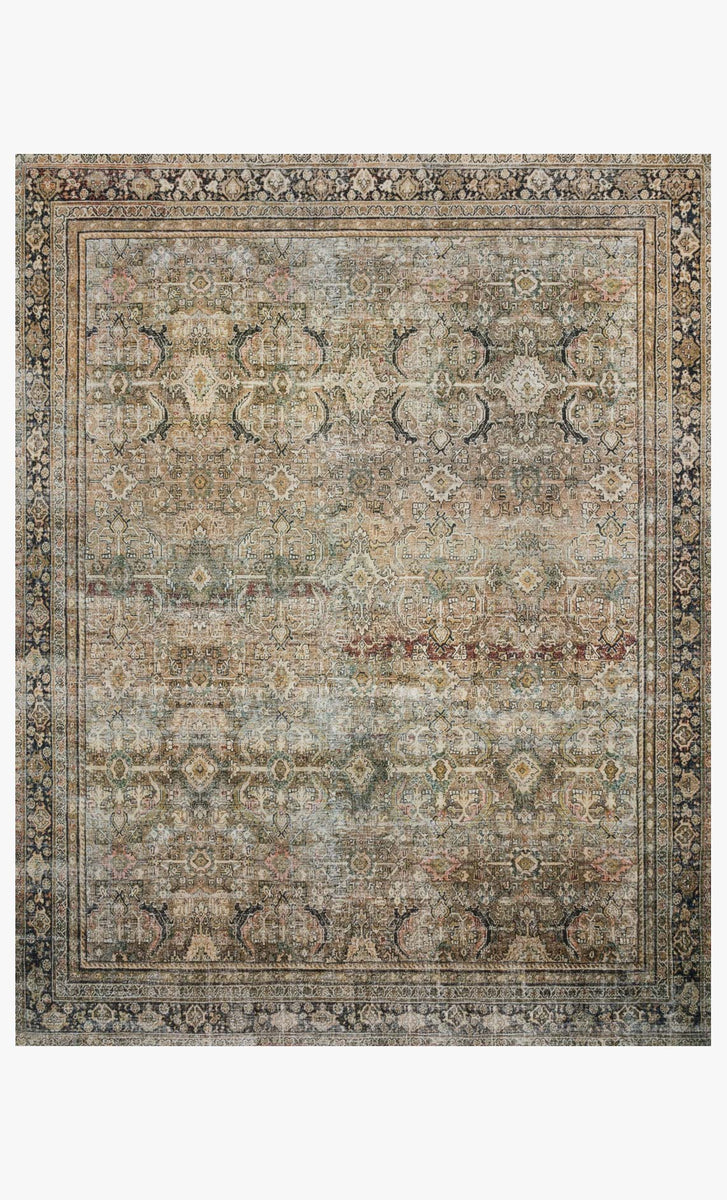
Loloi Layla Olive/Charcoal 5'-0" x 7'-6" Area Rug
Loloi
Skip — The article specifies 8 by 10 feet as the starting rug size, so the listed 5-by-7.5-foot rug falls short of its recommendation.
Best first buy if the dark floor is making every wood piece fight. The olive, charcoal, and aged warm tones give you a 70s-friendly bridge without forcing all the furniture to match.Available at Amazon(paid link) — opens Amazon in a new tab. Price and availability shown there.
RUGPADUSA - Dual Surface - 8'x11' - 1/4" Thick - Felt + Rubber - Non-Slip Backing Rug Pad - Safe for All Floors
RUGPADUSA
Buy — The article recommends pairing a printed low-pile rug with a real pad because the rug is not plush on its own.
Use this under a thin vintage-style rug so it feels better underfoot and does not creep around on hard rental floors. The tradeoff is that you may need to trim it carefully to sit just inside the rug edge.Available at Amazon(paid link) — opens Amazon in a new tab. Price and availability shown there.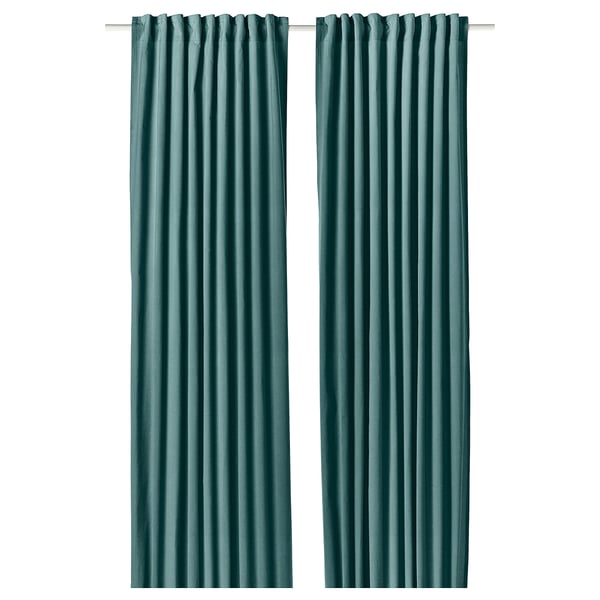
IKEA SANELA Curtains Dark Gray-Turquoise 55x98
IKEA SANELA
It depends — Dark teal curtains work only when the rug already has contrast and the lamps are warm; small windows or little daylight call for lighter curtains.
A good renter-friendly way to add 70s depth without painting. They are best when hung high and wide, but reviews flag shrinkage and color differences, so measure before hemming.Available at Amazon(paid link) — opens Amazon in a new tab. Price and availability shown there.
Adesso Floor Lamp, Marble & Off-White Linen, Adjustable, 73.5”
Adesso
It depends — The article recommends an arc lamp only if its base fits and its shade clears your standing sightline, suggesting a table lamp for tight rooms.
Useful if you need warm light over a sofa or reading chair and want a mid-century silhouette without changing wiring. It has a real marble base, so it is heavy and needs enough floor clearance.Available at Amazon(paid link) — opens Amazon in a new tab. Price and availability shown there.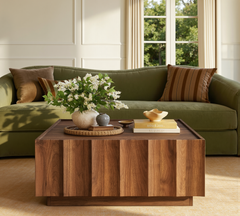
win2win Square Coffee Table with Storage, Wave Design, Walnut
win2win
It depends — A storage coffee table works only after the floor and lighting are settled, if storage is genuinely needed and its wood tone repeats an existing finish.
Only buy this after the rug, curtains, and lighting are settled. It works if you need hidden storage and a clean mid-century wood shape, but it is heavy and introduces another wood tone, so it should repeat an existing finish.Available at Amazon(paid link) — opens Amazon in a new tab. Price and availability shown there.
Sources
Pages consulted while researching this article. None of these are affiliate links.
- The 5 Things You Need To Know About Mixing Wood Tones In Your Home — stylebyemilyhenderson.com (accessed 2026-08-09)
- Purchasing Energy-Efficient Light Bulbs | U.S. Department of Energy — energy.gov
- Finding the Right Size Area Rug | Mohawk Home — mohawkhome.com
- 2022 Residential Lighting Guide | California Lighting Technology Center, UC Davis — cltc.ucdavis.edu
- Hayden Brass And White Marble Arc Floor Lamp — worldmarket.com (accessed 2026-08-09)