Fellow Prismo Brews Sour and Thin? Fix These First
The question
fellow prismo op is getting sour, light, fast-pressing brews after switching to the prismo
For sour, thin Prismo coffee, adjust grind and steep time, check dilution, and inspect the valve only if it leaks before pressing.
Sour, thin coffee after switching to the Fellow Prismo usually calls for finer grinding or more extraction time, plus a check on how much water you add after brewing. A fast press alone does not prove a fault: judge the taste, and distinguish a concentrated shot from a full mug before changing the recipe.
Reset a sour, fast-pressing shot
If you are making a small espresso-style concentrate, start with Fellow’s documented recipe so you have a repeatable reference:
- Fit the Prismo’s metal filter into its cap and attach it securely to the AeroPress. Use a sturdy, stable mug suitable for pressing.
- Add 20 g of finely ground coffee.
- Start your timer while adding 50 g of boiling water—100°C/212°F at sea level.
- Stir for 20–30 seconds, wetting all the grounds.
- Begin pressing at 60 seconds from the start of pouring. Fellow specifies a firm initial press followed by consistent pressure, with the plunge taking 10–20 seconds.
- Taste before adding dilution water or milk.
Those figures describe Fellow’s concentrated recipe, not a universal timing target for every Prismo brew. Fellow also identifies insufficient stirring and overly coarse grounds as possible causes of sourness and watery body. Fellow’s Prismo dial-in guide
If that recipe rushes through and tastes sharp and hollow, move your grinder one small increment finer, keeping the dose, water and timing unchanged. Repeat until sweetness improves. Fellow’s specific advice for a Prismo with almost no pressing resistance is to grind finer; when pressing becomes too strenuous, it recommends going coarser. Fellow’s pressing-resistance troubleshooting
Do not keep tightening the grind merely to make the plunger harder to move. Resistance is a useful clue alongside taste, not the goal. If the brew stalls, stop forcing it and use a coarser setting next time.
A full mug needs a different timing target
If you bought the Prismo to brew upright without dripping, you do not need to adopt the tiny concentrate recipe. Its valve lets the coffee steep before you press, so the time spent immersed matters even when the final plunge is easy.
For a controlled troubleshooting trial, use 15 g coffee and 225 g water, with no water added afterward. This is a proposed diagnostic starting point, not a tested house recipe or Fellow specification. For light roast coffee, start with water just off the boil, stir thoroughly to wet the grounds, steep for two minutes and press gently. Keep the grind unchanged for the first trial.
If it remains sour and hollow, repeat with a four-minute steep. If that helps, you have evidence that more immersion time suits those beans. Next, try a slightly finer grind while holding the other variables steady. Comparing two cups with one deliberate difference tells you more than changing grind, temperature and dose together.
There is independent measurement behind trying longer immersion. Jonathan Gagné of Coffee ad Astra reported approximately 23.5% extraction yield with his long AeroPress recipe, which recommends the Prismo. He calculated that figure from the dissolved coffee delivered into the cup using the percolation equation. His method starts pressing at nine minutes and uses roughly 18 g coffee to 260 g water. That result demonstrates what a long steep can achieve; it does not establish a required yield or prove that every sour cup needs nine minutes. Gagné’s AeroPress experiment
Let comparison cups cool to a similar drinking temperature. Look for increased sweetness and a fuller finish, rather than trying to remove every trace of acidity from a fruity coffee.
Coffee that turns weak after topping up needs less dilution
Taste the concentrate before diagnosing the finished mug. If it tastes balanced before you add water but becomes disappointingly light afterward, reduce the top-up first.
Just want the recommendation?
Skip to the picks“Bypass” can mean two different things in coffee discussions: water avoiding part of the grounds during brewing, or water deliberately added to the finished drink. Adding water to the cup lowers concentration. It cannot extract anything further from grounds that have already been discarded.
For example, adding 100 g water to 100 g brewed coffee approximately halves its dissolved-solids concentration. That is dilution arithmetic, not a Prismo performance measurement. A stronger-tasting cup after reducing dilution does not necessarily mean extraction improved.
Fellow’s own Americano recipe illustrates the distinction: it uses 20 g coffee with 60 g brewing water, followed by 200 g dilution water. The brewing water contacts the grounds; the later addition sets drinking strength. Those amounts belong to that recipe and need not become your preferred serving strength. Fellow’s Prismo Americano recipe
If the concentrate itself is sour, address grind, wetting and steep time first. If it is pleasant but the finished mug is weak, add less water. If both problems occur, fix extraction before choosing the final dilution.
Leakage before pressing points to assembly or the valve
A Prismo that steadily drains while standing untouched needs a different check from one that simply presses quickly. Fellow describes the Prismo as a pressure-actuated valve with a no-drip seal, intended to hold the brew until pressing. Fellow’s explanation of the Prismo mechanism
Let the brewer cool, then inspect the metal filter, its surrounding gasket and the valve. Make sure the filter is present, seated flat and free of grounds around its sealing edge. Check whether liquid is escaping through the outlet or around the cap: that distinction is useful when contacting support.
Clean before replacing anything. Fellow specifies rinsing the body and filter after use; for accumulated oils, soak the components in warm soapy water for 15 minutes, then rinse and dry. The Prismo is hand-wash only, not dishwasher safe. Fellow’s cleaning instructions
If the valve has come loose, follow Fellow’s installation instructions: with the cap face down, the valve’s four-post plastic structure faces upward, and the valve presses into place until it clicks. Do not enlarge the outlet to alter flow. Fellow’s valve installation guide
Persistent leakage after cleaning and correct assembly needs Fellow support. Fellow confirms that replacement valves are available separately, so a damaged valve does not automatically require replacing the whole attachment. Fellow’s replacement-valve guidance
Buy only when grind adjustment is the missing tool
There is no evidence here that a working Prismo deserves a product warning. Recipe adjustment should come before another attachment purchase.
If you use fixed supermarket grounds or a grinder that cannot provide repeatable finer settings, consider the Fellow Opus Conical Burr Grinder, the original model. It provides 41 outer-ring settings and an additional inner adjustment ring, and Fellow documents its range from espresso through cold brew. That makes it a practical option for controlling the variable this fault often exposes. Its drawback is the extra adjustment complexity: finer changes can involve the inner ring beneath the load bin. Fellow’s original Opus gear guide
An existing adjustable burr grinder may already do everything needed. Keep a short record of dose, brewing water, dilution water, grind setting and steep time. Stop changing settings when the coffee tastes balanced—even if the Prismo still presses faster than the paper-filter setup it replaced.
The bottom line
The part that fixes it:
Top pick
It depends
Fellow Opus Conical Burr Coffee Grinder Matte Black
Fellow Opus
Fellow documents 41 outer-ring settings, additional inner-ring adjustment and an espresso-to-cold-brew range, making it useful specifically when adjustable grinding is missing.
Consider the original Opus if fixed grounds or inadequate grind adjustment prevent you from correcting sour Prismo brews. Its inner adjustment ring adds complexity, and an existing capable burr grinder needs no replacement.Available at Amazon(paid link) — opens Amazon in a new tab. Price and availability shown there.
Recommended products
Ordered by how well each one fits the situations above. Each link below is a paid link.
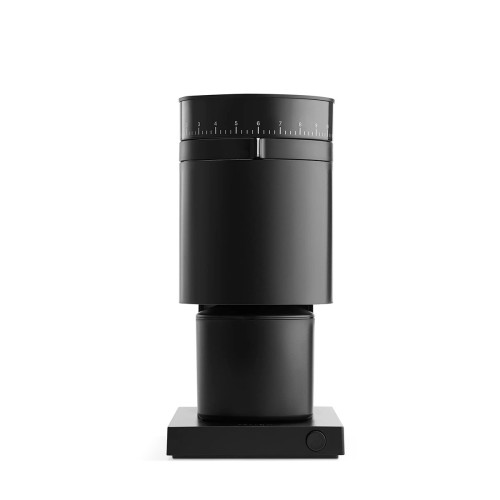
Fellow Opus Conical Burr Coffee Grinder Matte Black
Fellow Opus
Consider — Fellow documents 41 outer-ring settings, additional inner-ring adjustment and an espresso-to-cold-brew range, making it useful specifically when adjustable grinding is missing.
Consider the original Opus if fixed grounds or inadequate grind adjustment prevent you from correcting sour Prismo brews. Its inner adjustment ring adds complexity, and an existing capable burr grinder needs no replacement.Available at Amazon(paid link) — opens Amazon in a new tab. Price and availability shown there.
Sources
Pages consulted while researching this article. None of these are affiliate links.
- Fellow: How to Dial In Your Prismo — fellowproducts.com
- Fellow: AeroPress Plunging Too Strenuous or Too Easy — help.fellowproducts.com
- Jonathan Gagné: Reaching Fuller Flavor Profiles with the AeroPress — coffeeadastra.com
- Fellow: How to Brew an Americano with Prismo — fellowproducts.com
- Fellow: Prismo Mechanism and Brewing Features — fellowproducts.com
- Fellow: Prismo Cleaning Instructions — help.fellowproducts.com
- Fellow: Removing and Installing the Prismo Valve — help.fellowproducts.com
- Fellow: Replacement Prismo Valves — help.fellowproducts.com