AirPods 2 Mics Dead? Buy AirPods 5, Not 4
The question
User wants replacement options for Gen 2 because both mics fail and is evaluating whether to stay on older tap-control behavior or move to Gen 4 fitment.
Replace mic-dead AirPods 2 with AirPods 5; keep Gen 2 only for its exact shell and double-tap controls, and skip AirPods 4.
Replace AirPods 2 with AirPods 5 when both microphones have failed; choose the standard model unless on-stem volume control, wireless case charging or an extra hour of ANC battery life matters. Confirm the failure by testing the left and right microphones separately, but do not buy AirPods 4 as the middle ground—it preserves neither the Gen 2 shape nor its double-tap control, and independent testing found its microphone merely mediocre.
| Model | Verdict | Control and fit decision | Main catch |
|---|---|---|---|
| AirPods 5 | Buy | Force sensor; 30.2 × 18.3 × 18.1 mm open-fit body | Four hours per charge with ANC enabled |
| AirPods 5 with Wireless Charging Case | Consider | Adds volume swipe; same open-fit dimensions | Same microphones and fit as the standard version |
| AirPods 4 | Skip | Force sensor; the same published dimensions as AirPods 5 | RTINGS found the microphone thin and weak against loud noise |
| AirPods 2 | Consider | Double-tap; 40.5 × 16.5 × 18.0 mm familiar body | A 2019 H1/Lightning design without a published ingress rating |
Why AirPods 5 are the replacement to buy
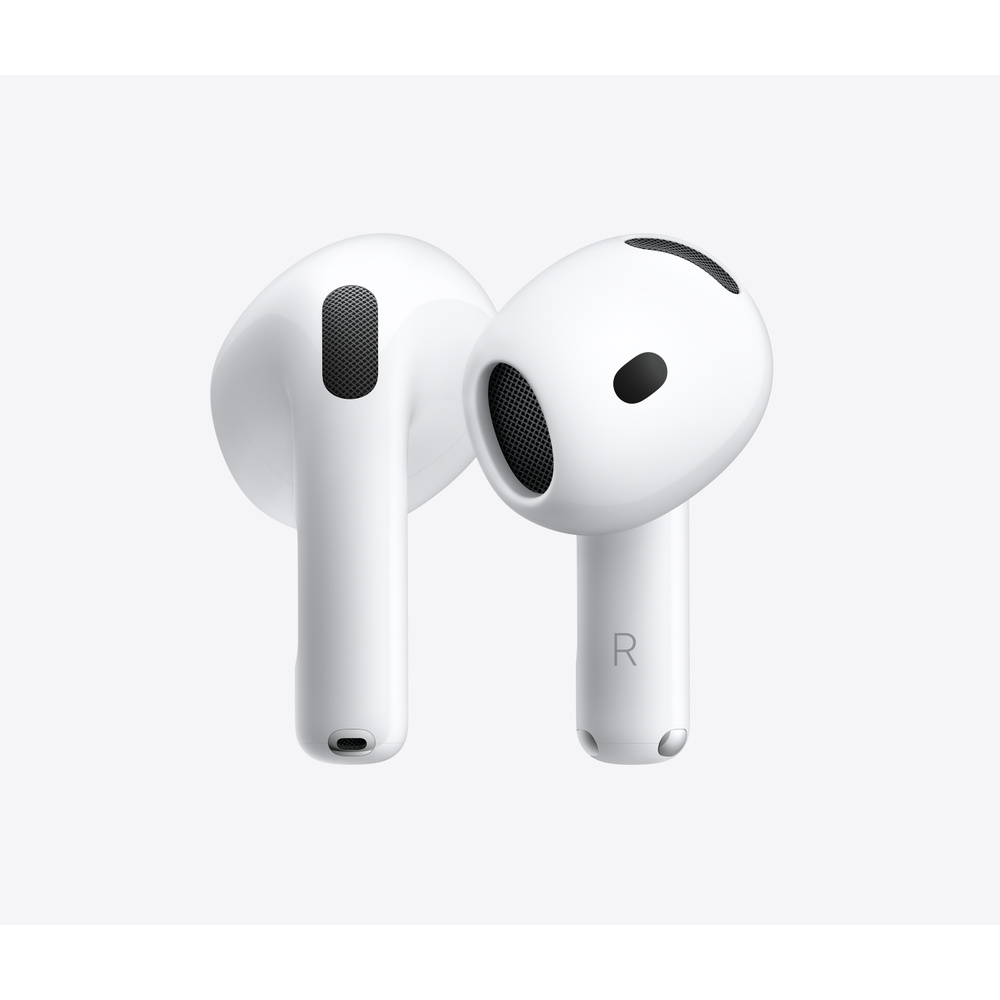
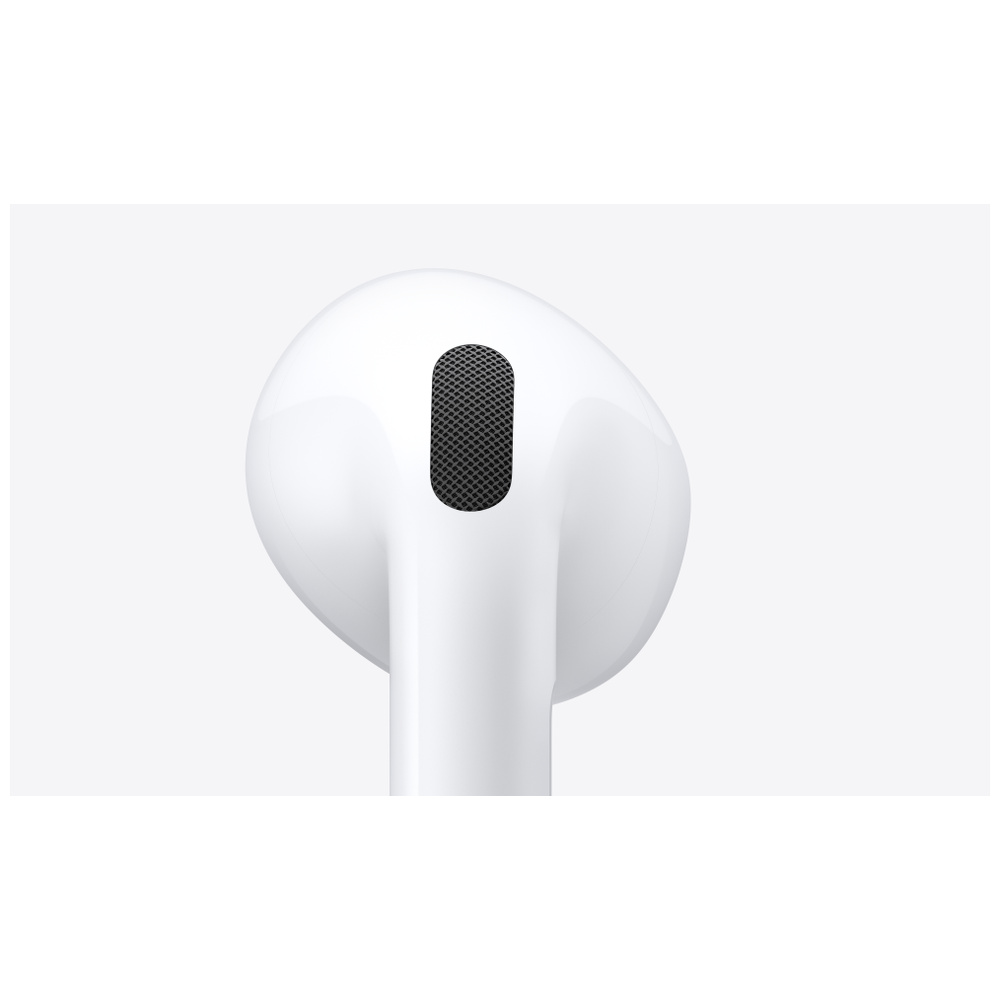
AirPods 5 are the closest current continuation of the non-sealing AirPods idea: no silicone tips, an open fit and full integration with Apple devices. They add dual beamforming microphones, an inward-facing microphone, a speech-detecting accelerometer and Voice Isolation. Apple also lists IP57 dust, sweat and water resistance and a USB-C case. The standard version has a force sensor but no volume swipe. Apple’s AirPods 5 specifications document each of those details.
The microphone evidence is encouraging rather than merely a manufacturer promise. In CNET’s real-world evaluation, David Carnoy made calls and recorded a sample on noisy New York streets. Callers reported almost no background noise and clear speech, although the voice was not always completely natural and faint wind remained audible. That is a more relevant test for someone replacing failed microphones than an audio-only listening review. It is not a standardized laboratory number, but it is an independent call test in adverse conditions. CNET’s AirPods 5 review includes the method and result.
The important limitation is fit. AirPods 5 are not a return to the AirPods 2 shell, so a perfect Gen 2 fit does not guarantee a perfect Gen 5 fit. Buy from somewhere with a usable return policy and test speech, comfort and retention promptly.
The control change you cannot avoid
AirPods 2 respond to a double-tap near the top of the stem. Apple lets that gesture handle playback, track skipping or answering a call. AirPods 5 instead require deliberate stem presses: once for play, pause, answering or muting; twice to skip or end a call; three times to go back; and press-and-hold for listening modes. Only the AirPods 5 package with the Wireless Charging Case includes volume swiping on the stem. Apple’s control documentation distinguishes the Gen 2 double-tap from the later force-sensor controls.
That means no current upgrade preserves the old interaction exactly. If double-tapping the earbud is non-negotiable, another set of AirPods 2 is the narrow option. If accidental taps were ever a nuisance, the force sensor is arguably the better change because it requires an intentional squeeze.
Do not confuse “tap” descriptions in informal listings with the Gen 2 gesture. AirPods 5 use a physical force sensor, even when a seller casually describes pressing it as tapping.
The measurements that expose the fit change
The dimensional difference is larger than product photos suggest. Each AirPods 2 earbud is 40.5 mm tall, 16.5 mm wide, 18.0 mm deep and weighs 4 g. Each AirPods 5 earbud is 30.2 mm tall, 18.3 mm wide, 18.1 mm deep and weighs 4.3 g. In other words, the newer earbud is 10.3 mm shorter and 1.8 mm wider, while depth changes by only 0.1 mm. Apple’s AirPods 2 specification and AirPods 5 specification provide those figures.
Published dimensions for AirPods 4 and AirPods 5 are identical: 30.2 × 18.3 × 18.1 mm at 4.3 g each. Dimensions cannot describe every contour or predict comfort, but they establish the useful point: moving from Gen 2 to either model means accepting the shorter, wider envelope associated with the newer open-fit design. AirPods 5 do not restore the long-stem Gen 2 geometry.
Just want the recommendation?
Skip to the picksWhy AirPods 4 are the wrong middle step
Skip AirPods 4 if failed microphones are driving the purchase: RTINGS’ independent test bench described their microphone as boxy and thin and found that loud background noise could overwhelm the voice. That is the wrong documented weakness for a buyer whose existing pair has already become unusable for calls. RTINGS’ AirPods 4 review records that result.
AirPods 4 also get the control compromise wrong for this particular buyer. They abandon Gen 2 double-tapping for a force sensor, yet they lack the volume swipe available on the upgraded AirPods 5 package. Their IP54 rating is below the AirPods 5 IP57 rating, and the standard AirPods 4 omit active noise cancellation. Apple’s AirPods 4 specifications confirm the controls, dimensions and rating.
That does not make AirPods 4 universally unusable. They remain open earbuds with Apple integration and five hours of claimed listening time. They are simply the model to skip for someone replacing AirPods specifically because microphone reliability and call performance now decide the purchase. The related assessment of AirPods 4 for all-day calls explains their additional endurance limitation.
Where another AirPods 2 set still makes sense
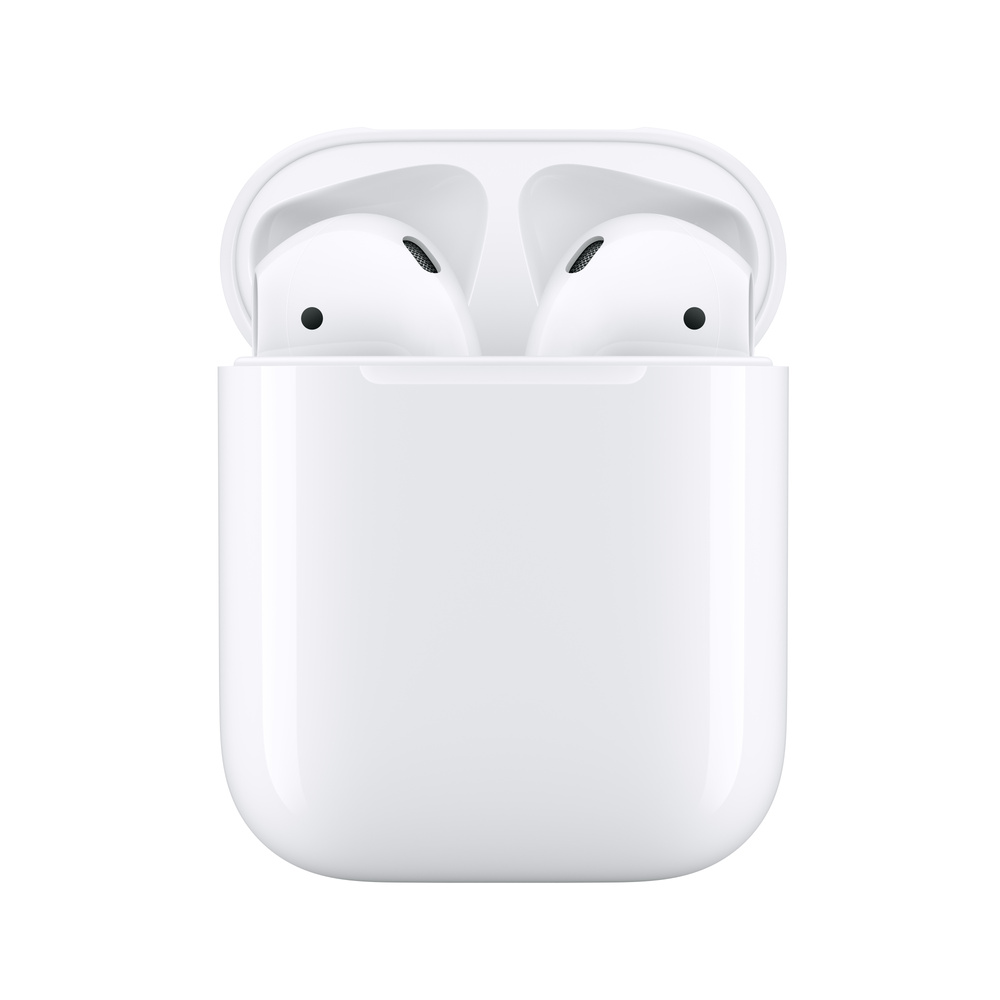
AirPods 2 remain worth considering only when the exact shell or double-tap behavior outweighs every newer feature. Their dimensions, 4 g weight and long stem are genuinely different from the AirPods 4 and 5 design. Buying the same generation is therefore the least disruptive choice for ears that reject the newer shape.
It is still a retreat rather than the default recommendation. AirPods 2 were introduced in 2019, use the H1 chip and Bluetooth 5.0, charge through Lightning unless paired with their optional Qi case, and have no dust- or water-resistance rating on Apple’s specification page. Another Gen 2 pair also does not provide evidence that microphone longevity will improve. Consider them for fit and controls—not as the stronger microphone purchase.
Standard or Wireless Charging Case AirPods 5
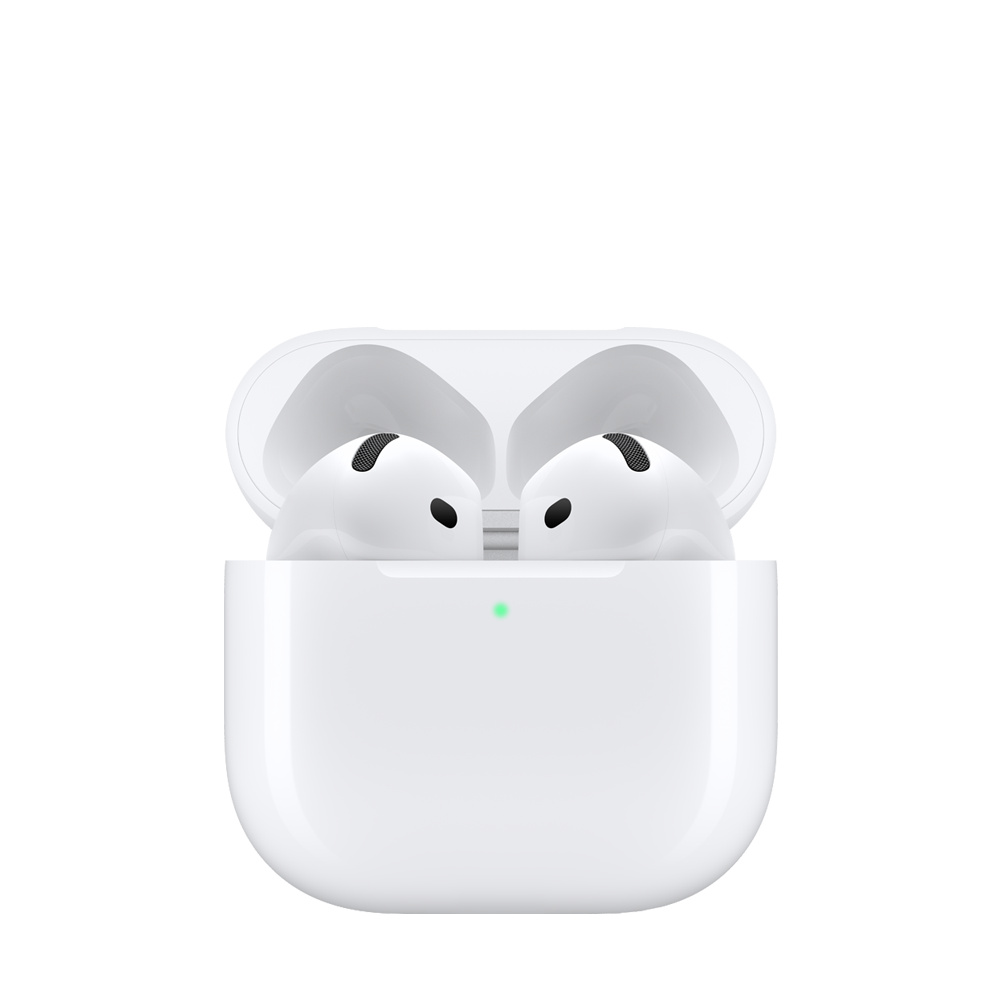
Both AirPods 5 packages list the same microphones, H2 chip, Voice Isolation, open-ear ANC and IP57 rating. The standard model is therefore the one to buy when the purpose is simply replacing broken AirPods 2 microphones.
Choose AirPods 5 with the Wireless Charging Case when at least one of its three documented additions matters: volume swiping on the stem, case charging through Qi or an Apple Watch charger, or five rather than four hours of claimed battery life with ANC enabled. The case also has a Find My speaker. Those are useful conveniences, but the package does not claim a better microphone or a different fit than standard AirPods 5.
Verify both microphones before retiring the old pair
An AirPods microphone can appear completely dead when automatic routing repeatedly selects the bad side. On an iPhone or iPad, open Settings, tap the AirPods name, choose Microphone—under Audio & Routing on some software versions—and select Always Left AirPod. Record a short Voice Memo, then repeat with Always Right AirPod. Apple confirms that automatic switching, always-left and always-right routing are available in this menu.
If one side records clearly, the failure is not actually bilateral and that earbud can remain the fixed microphone temporarily. If both sides fail independently across more than one application or connected device, replacement is justified; a purchase should not be delayed by repeated resets when neither physical microphone produces usable speech.
The final decision is straightforward: buy AirPods 5 for the current open-fit Apple experience and independently demonstrated call performance. Consider the Wireless Charging Case version for volume swiping and longer ANC sessions. Rebuy AirPods 2 only when its exact fit or double-tap gesture is indispensable, and skip AirPods 4 because it gives up those Gen 2 traits without offering the stronger microphone case that makes AirPods 5 the better replacement.
The bottom line
Two of these work — the difference is which situation you are in:
Top pick
Buy this
Apple AirPods 5 Wireless Earbuds Active Noise Cancellation USB-C Charging Case
Apple
They combine independently tested call performance with dual beamforming microphones, Voice Isolation, IP57 resistance and the current H2 platform.
The standard AirPods 5 have the same microphone array, Voice Isolation and IP57 rating as the wireless-case package, making them the direct replacement for mic-dead AirPods 2. The drawback is force-sensor control and four hours of claimed ANC battery life.Available at Amazon(paid link) — opens Amazon in a new tab. Price and availability shown there.The alternative
It depends
Apple AirPods 5 Wireless Earbuds with Wireless Charging Case
Apple
It adds volume swipe, wireless case charging and five rather than four hours of claimed ANC battery life, but no microphone upgrade.
Choose this package if on-stem volume adjustment, Qi or Apple Watch charging and longer ANC sessions matter. Its drawback is that the microphones and 30.2 × 18.3 × 18.1 mm fit are unchanged from standard AirPods 5.Available at Amazon(paid link) — opens Amazon in a new tab. Price and availability shown there.
Recommended products
Ordered by how well each one fits the situations above. Each link below is a paid link.
Apple AirPods 5 Wireless Earbuds Active Noise Cancellation USB-C Charging Case
Apple
Buy — They combine independently tested call performance with dual beamforming microphones, Voice Isolation, IP57 resistance and the current H2 platform.
The standard AirPods 5 have the same microphone array, Voice Isolation and IP57 rating as the wireless-case package, making them the direct replacement for mic-dead AirPods 2. The drawback is force-sensor control and four hours of claimed ANC battery life.Available at Amazon(paid link) — opens Amazon in a new tab. Price and availability shown there.Apple AirPods 5 Wireless Earbuds with Wireless Charging Case
Apple
Consider — It adds volume swipe, wireless case charging and five rather than four hours of claimed ANC battery life, but no microphone upgrade.
Choose this package if on-stem volume adjustment, Qi or Apple Watch charging and longer ANC sessions matter. Its drawback is that the microphones and 30.2 × 18.3 × 18.1 mm fit are unchanged from standard AirPods 5.Available at Amazon(paid link) — opens Amazon in a new tab. Price and availability shown there.Apple AirPods 4 Wireless Earbuds USB-C Charging Case
Apple
Skip — RTINGS found the microphone mediocre and weak against loud background noise, the exact performance area this replacement needs to improve.
This is the tempting middle option, but it abandons Gen 2 double-tapping while independent testing found its microphone thin and vulnerable to loud background noise. Its open fit can still suit listening-focused buyers who do not rely heavily on calls.Available at Amazon(paid link) — opens Amazon in a new tab. Price and availability shown there.Apple AirPods (2nd Generation) with Charging Case
Apple
Consider — It is the only option here that preserves the documented Gen 2 dimensions and double-tap gesture, but it also preserves the oldest platform.
Consider another Gen 2 pair only when the 40.5 × 16.5 × 18.0 mm shell or double-tap control is indispensable. The drawback is returning to a 2019 H1, Bluetooth 5.0 and Lightning-era design without a published ingress rating.Available at Amazon(paid link) — opens Amazon in a new tab. Price and availability shown there.
Sources
Pages consulted while researching this article. None of these are affiliate links.
- AirPods 5 Technical Specifications — Apple — apple.com
- Apple AirPods 5 Review: A Better Upgrade Than Expected — CNET — tech.yahoo.com
- AirPods 2 Tech Specs — Apple Support — support.apple.com
- AirPods 4 Tech Specs — Apple Support — support.apple.com
- Change Settings for AirPods or AirPods Pro — Apple Support — support.apple.com
- Apple AirPods 4 Review — RTINGS — rtings.com