Audio-Technica ATH-G1: Worth Buying for a Wired Desk?
The questionWhere do these come from?
[LFH][PC][100euros][DK]
Been looking around for new headset, didn’t care about wireless since for years I barely use that, I only use mine when I’m at my desk anyways so I looks around for more than just a regular gaming headset.
The ATH-G1 earns its price at a wired desk with closed-back, non-boosted sound and a real mic — if you can accept its fixed cable and weak isolation.
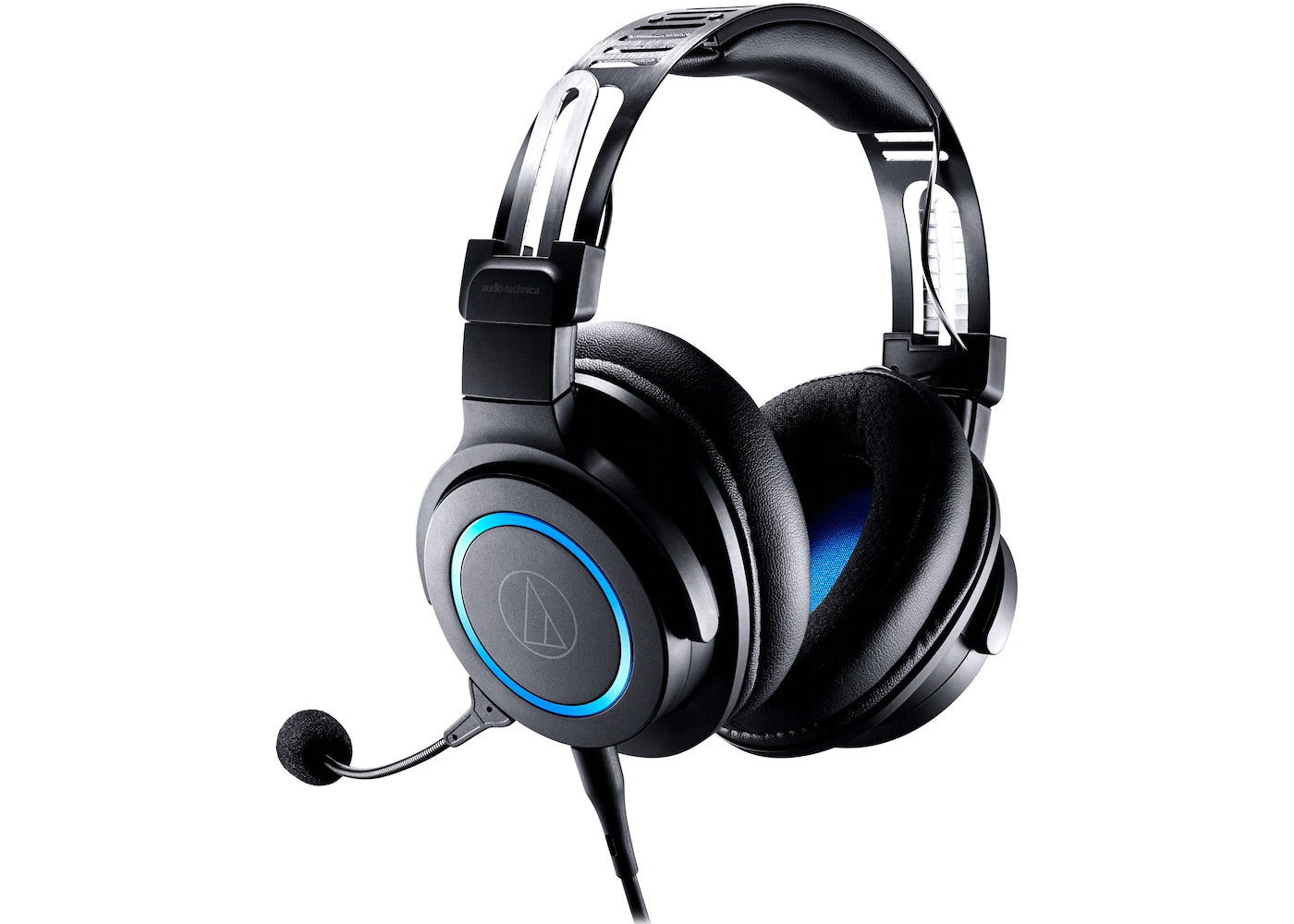
The Audio-Technica ATH-G1 is worth buying at that price if the reason you want it is sound and microphone quality at a wired desk, not convenience. It pairs a 45mm dynamic driver in a closed-back cup with a tuning closer to Audio-Technica’s home headphone line than to the bass-boosted, footstep-forward sound most “gaming” headsets ship with — which is the entire case for buying one instead of whatever a generic gaming-headset search turns up. The tradeoffs are just as real: the main cable does not detach, there’s no companion app or EQ software, and Audio-Technica has moved on to newer closed-back (ATH-GL3) and wireless (ATH-G1WL) siblings without ever refreshing this model, which matters if you ever need a replacement cable.
What the closed-back tuning actually buys you
The ATH-G1 runs a 45mm driver rated for a 5Hz–40kHz frequency response at 45 ohms impedance and 101dB/mW sensitivity — specs pulled straight from home headphone territory, not the narrower ranges typical of headset drivers. Tom’s Hardware’s reviewer, Phil Iwaniu, described the closed-back cups as delivering “a veritable wall of low-end power, even at lower volumes,” turning car engines and EDM drops into what he called “all-out assaults on your cochlea” when pushed, while still resolving detail rather than smearing it into generic bass rumble. Audio46’s review separately noted balanced mids without harshness and crisp highs, calling the overall signature “fun and dynamic” rather than clinical.
The contrast that matters for a wired-desk buyer specifically avoiding “generic gaming headset” sound is with something like the SteelSeries Arctis 7P+, a wireless model SoundGuys measured with a deliberate bass bump around 100Hz and a treble peak in the 6–7kHz range — a shape the reviewer noted “could easily describe the bass as too present or even overpowering, depending on the song.” That’s the boosted, gamer-marketed curve the ATH-G1 is not chasing. If your priority is footsteps punching through explosions at max volume, the Arctis-style curve does that job on purpose. If your priority is music and voice chat sounding like the source material rather than a preset, the ATH-G1’s closer-to-neutral tuning is the better fit — and it’s the reason to pick it over a headset that costs about the same but is tuned the other way.
Comfort and build, past the first hour
SoundGuys measured the ATH-G1 at 257 grams, notably lighter than either of its closest wired rivals — the Beyerdynamic MMX 100 comes in at 310 grams and the wireless Arctis 7P+ at 453.6 grams. Audio46’s reviewer called it “really light” with ventilated ear pads that avoid the “hot ear” sensation over long sessions, and both reviews note it accommodates glasses without the clamping discomfort some closed-back designs cause.
The weak point is finish, not comfort. Tom’s Hardware flagged the brushed-aluminum headband as looking like it’s “missing an exterior cover” and lacking “finesse in terms of execution” — a cosmetic complaint about how the weight-saving design was built, not how it wears. If you’re expecting the padded, leatherette-wrapped look of a typical gaming headset, the ATH-G1’s minimalist headband will read as unfinished rather than premium, even though it does the comfort job.
The microphone: clear capture, quiet output
The detachable boom mic is a condenser design with a hypercardioid pickup pattern, and SoundGuys called its captured audio quality “spectacular” with effective isolation of background noise thanks to the tight pickup pattern. Audio46’s review independently described the mic as clear and transparent in testing.
The catch reported by SoundGuys: the mic’s output level is noticeably low compared to other headset mics, meaning you’ll likely need to raise the input gain in Windows’ sound settings or your voice chat app to get it to a normal chat volume. That’s a one-time fix, not a defect, but it’s worth doing before a call rather than during one.
Setting it up at a desktop, not a laptop
This is the detail that matters most for the “wired desk use” part of the question. The ATH-G1 terminates in a single 3.5mm TRRS (4-pole) connector, the same style used on phones and most laptops with a combo jack. Desktop motherboards and most desktop sound cards still split microphone and headphone into two separate 3.5mm jacks, so the headset ships with a Y-splitter adapter cable specifically for that setup — confirmed in Audio46’s review of the box contents. Plug the single TRRS cable straight in on a laptop or console controller; use the included splitter on a desktop with separate mic and headphone jacks.
Just want the recommendation?
Skip to the picksControls live on the cable itself: a volume dial and a locking microphone mute switch, both built into the fixed cord rather than on the ear cup. There is no desktop app, no per-game EQ profiles, and no virtual surround toggle — if you want tonal adjustment, you’re doing it in Windows’ own sound panel or with a system-wide equalizer, not an Audio-Technica utility. For a desk setup where you already drive audio through Windows or a DAC, that’s a non-issue. If you were expecting a companion app the way SteelSeries or Corsair ship one, there isn’t one here.
Where it falls short
Two things are worth flagging before you buy at this price rather than after.
The main cable is not detachable — only the microphone is. SoundGuys lists this as the headset’s clearest weakness: ear pads and headband cushions are replaceable, but if the fixed 2.0-meter cable itself frays or shorts at the earcup, there’s no simple swap. Because Audio-Technica has not refreshed this model since its original release, sourcing an official replacement cable years on is harder than it would be for a current product. If you’re rough on cables, or you’re buying used stock rather than new, factor that in.
Passive isolation is weak. SoundGuys measured this directly: the closed-back cups attenuate midrange and high frequencies but let low-frequency sound through in both directions — meaning ambient bass leaks in and your own audio leaks out at any real volume. That’s a non-issue solo at a desk with a door, and a real issue in a shared room, an open office, or a thin-walled apartment where a roommate can hear what you’re playing. If isolation matters more than tonal accuracy, this isn’t the closed-back headset to buy.
ATH-G1 vs. the headsets you’d otherwise land on
| Headset | Connection & cable | Weight | Sound signature |
|---|---|---|---|
| Audio-Technica ATH-G1 | Wired 3.5mm TRRS, fixed cable, PC splitter included | 257g | Closed-back, powerful low end with resolved detail, closer to neutral than gamer-tuned |
| Audio-Technica ATH-GL3 | Wired 3.5mm TRRS, fully detachable cable (two included) | 221g | Close to a neutral target curve, light bass, slightly thin treble |
| Beyerdynamic MMX 100 | Wired 3.5mm TRRS, fully detachable cable (two included) | 310g | Deliberately reserved bass, balanced mids, least “boosted” of the group |
| SteelSeries Arctis 7P+ | Wireless USB-C dongle plus 3.5mm backup | 453.6g | Measured bass bump near 100Hz and a 6–7kHz treble peak; the boosted, gamer-marketed curve |
Which one to actually buy
The ATH-G1 is the pick if you want closed-back, non-boosted sound and a genuinely good mic at a wired desk, and you can live with a fixed main cable and no software. It’s the only one of these four worth calling a straightforward buy for that specific question.
The ATH-GL3 is the one to consider instead if the fixed cable is the dealbreaker: it’s Audio-Technica’s own newer sibling, sitting in roughly the same price bracket, with a fully detachable cable on both ends — the ATH-G1’s main structural weakness fixed. The trade is comfort and finish: SoundGuys found the plastic build creaks and the headband lacks padding enough that some listeners feel it after two to three hours, where the ATH-G1 doesn’t.
The Beyerdynamic MMX 100 is worth considering as a rival if the ATH-G1 isn’t in stock or you want even less bass emphasis: SoundGuys called its low end “a pretty stark lack of bass output compared to other gaming headsets” — the most reserved tuning of this group, with a detachable cable and a heavier, more padded build to match.
Skip the SteelSeries Arctis 7P+ for this specific question, even though it’s a genuinely good headset — it’s the generic-gaming-headset default this question exists to avoid. It’s wireless rather than wired, nearly twice the weight of the ATH-G1, and SoundGuys measured the exact boosted bass-and-treble curve a buyer chasing accurate, non-“gamer” sound is trying to get away from. It’s the right call if you need to walk around while gaming; it’s the wrong call if the whole point is a neutral-sounding headset parked at a desk.
If nothing here resolves it — say the unit you’re looking at has a damaged cable or a non-functioning mic mute switch — that’s a hardware fault no owner-review can talk you out of, and it’s worth confirming those two specific points (cable continuity, mic mute click) before paying for used or old-stock units at this price.
The bottom line
Worth it either way — the difference is your budget:
Top pick
Buy this
Audio-Technica ATH-G1 Premium Gaming Headset
Audio-Technica
It's the only one of the four with a genuinely non-"gamer" sound signature and low weight, provided you accept the fixed main cable.
The subject of the question: closed-back 45mm driver tuned closer to neutral than a typical bass-boosted gaming headset, with a detachable hypercardioid mic, at 257g.Available at Amazon(paid link) — opens Amazon in a new tab. Price and availability shown there.The alternative
It depends
Audio-Technica ATH-GL3 Gaming Headset
Audio-Technica
SoundGuys found the plastic build creaks and the headband lacks padding enough to bother some listeners after two to three hours, unlike the ATH-G1.
A same-price sibling and the alternative if the ATH-G1’s fixed cable is the dealbreaker — its cable is fully detachable on both ends.Available at Amazon(paid link) — opens Amazon in a new tab. Price and availability shown there.
Recommended products
Ordered by how well each one fits the situations above. Each link below is a paid link.
Audio-Technica ATH-G1 Premium Gaming Headset
Audio-Technica
Buy — It's the only one of the four with a genuinely non-"gamer" sound signature and low weight, provided you accept the fixed main cable.
The subject of the question: closed-back 45mm driver tuned closer to neutral than a typical bass-boosted gaming headset, with a detachable hypercardioid mic, at 257g.Available at Amazon(paid link) — opens Amazon in a new tab. Price and availability shown there.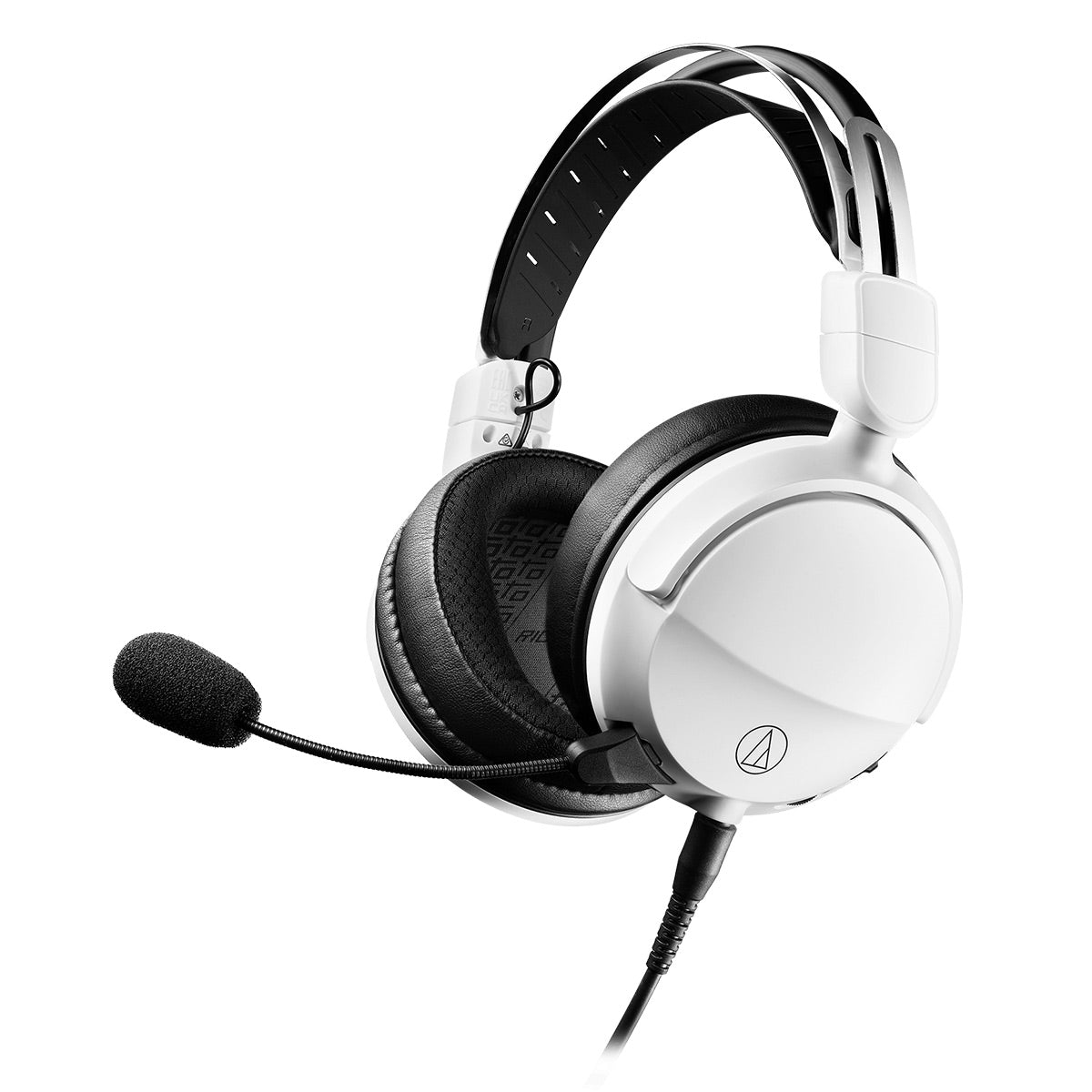
Audio-Technica ATH-GL3 Gaming Headset
Audio-Technica
It depends — SoundGuys found the plastic build creaks and the headband lacks padding enough to bother some listeners after two to three hours, unlike the ATH-G1.
A same-price sibling and the alternative if the ATH-G1’s fixed cable is the dealbreaker — its cable is fully detachable on both ends.Available at Amazon(paid link) — opens Amazon in a new tab. Price and availability shown there.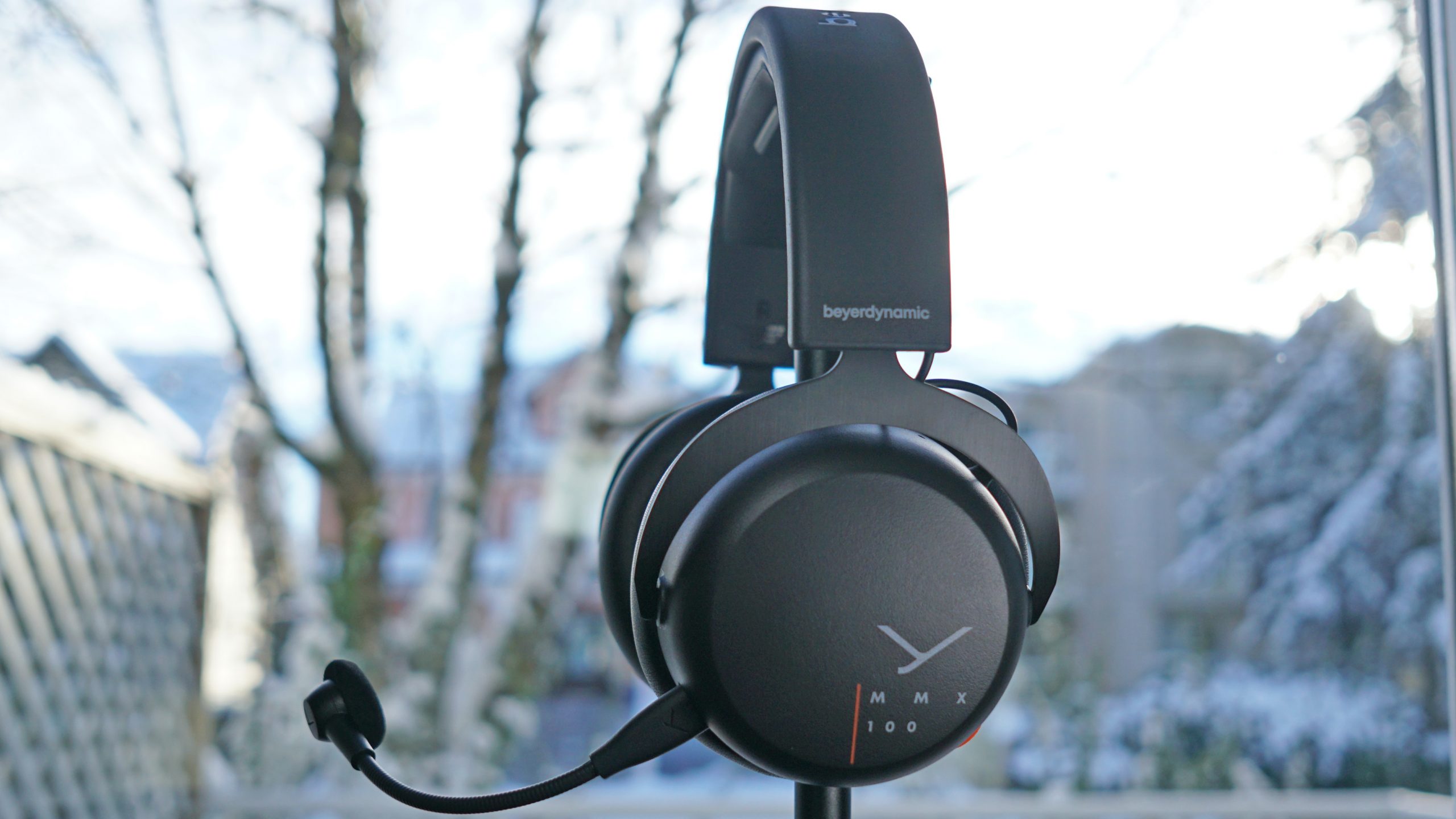
Beyerdynamic MMX 100 Gaming Headset
Beyerdynamic MMX
It depends — SoundGuys measured a "stark lack of bass output compared to other gaming headsets" and it's heavier at 310g, so it suits accuracy over impact even more than the ATH-G1 does.
A rival closed-back wired headset with an even more reserved low end and a detachable cable, worth considering if the ATH-G1 is out of stock.Available at Amazon(paid link) — opens Amazon in a new tab. Price and availability shown there.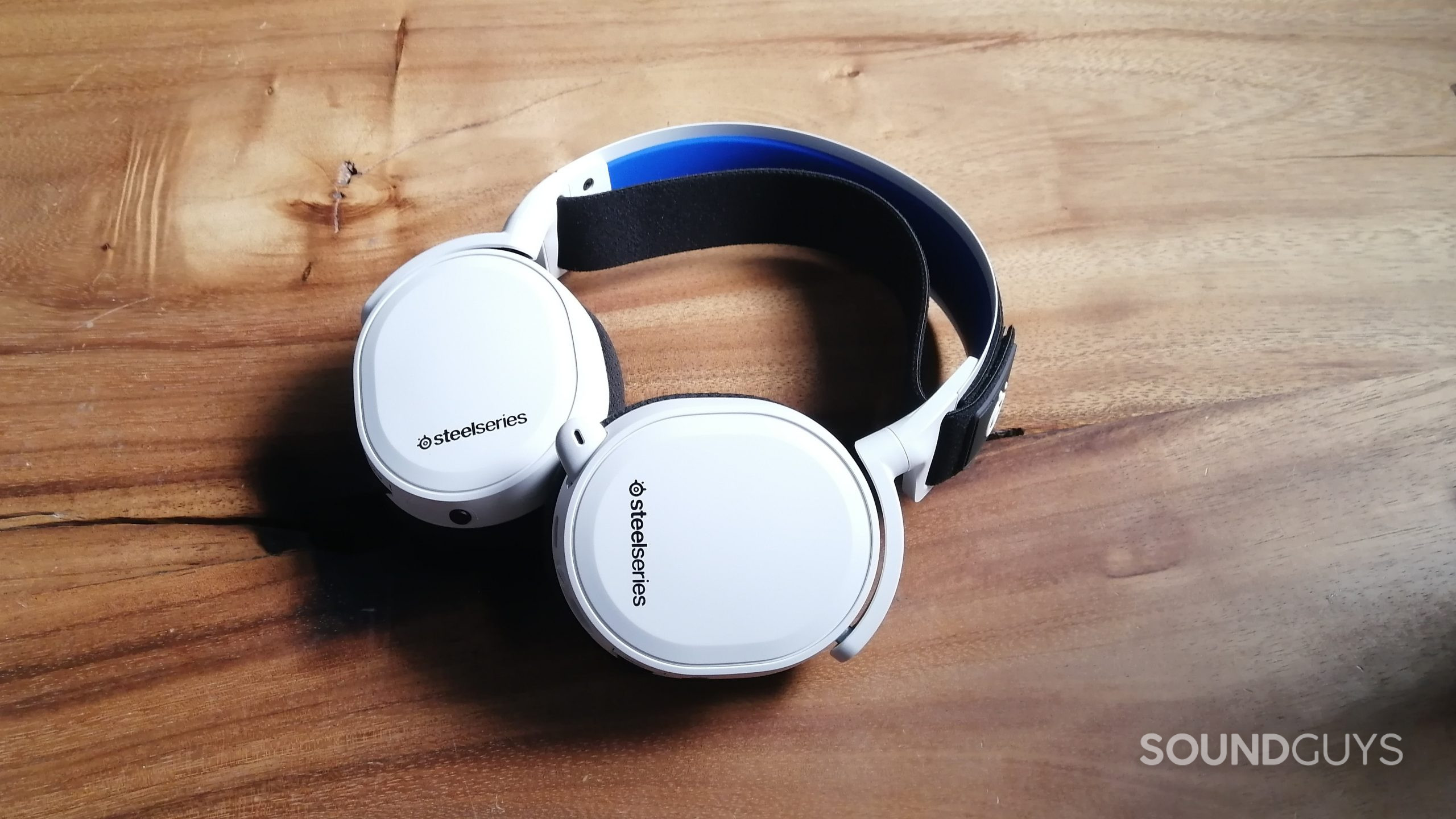
SteelSeries Arctis 7P+ Wireless Gaming Headset
SteelSeries
Skip — SoundGuys measured a deliberate bass bump near 100Hz and a 6-7kHz treble peak, the boosted curve a buyer chasing accurate sound at a desk is specifically trying to avoid, and it's nearly twice the ATH-G1's weight.
The generic wireless gaming headset this question is trying to avoid by default — good on its own terms, wrong for a neutral-sounding wired desk setup.Available at Amazon(paid link) — opens Amazon in a new tab. Price and availability shown there.
Sources
Pages consulted while researching this article. None of these are affiliate links.
- Audio-Technica ATH-G1 review: Simply good — soundguys.com
- Audio-Technica ATH-G1 Gaming Headset Review: Understated Yet Powerful — tomshardware.com
- Audio-Technica ATH-G1 Review — audio46.com
- Audio-Technica ATH-GL3 review — soundguys.com
- Beyerdynamic MMX 100 review: A trusty gaming headset — soundguys.com
- SteelSeries Arctis 7P+ Wireless review — soundguys.com