Video game
3 articles on this topic.
This collection covers the decisions hidden behind broad video-game labels such as “choice-driven story” or “political simulation.” People landing here are usually trying to settle whether a game delivers the kind of agency, pace and complexity they expect: how much choices alter the experience, whether combat interrupts the story, whether a simulation models interconnected systems, or whether earlier entries are required to understand a sequel.
The questions come from real people describing real situations in public discussions. The answers are built by reading widely across published reviews, patterns in owner and player reports, and manufacturer or publisher documentation, then reconciling those sources rather than treating any single one as definitive.
- Buyrecommendationr/AskGames
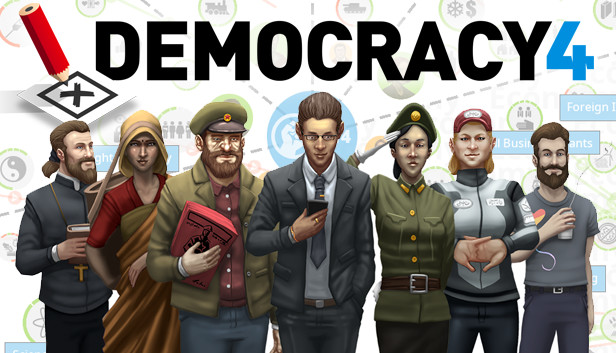
Democracy 4: The Deep Head-of-State Sim, Minus War
Democracy 4 models economy, crisis, and civil rights as one connected system — it just has no military conflict mechanic at all.
- Buyrecommendationr/AskGames
Is True Colors the Right Low-Combat Switch Story?
Life is Strange: True Colors is the best fit for a low-combat, choice-led Switch story, but its six endings are variations, not six different plots.
- Buybeginner
Is True Colors a Sequel? Where Life Is Strange Fits
Life is Strange: True Colors is a standalone sequel with a new lead; earlier games are optional, but its Wavelengths DLC needs a spoiler warning.